Choosing the Right Power Adapter Plug: AC Input and DC Output Guide
Power adapter plugs let you connect your devices to a power source and keep them running. In this article, you’ll learn what AC input plugs and DC output connectors do and why they matter. You’ll also explore different plug types used around the world, along with voltage, frequency, and safety features. In addition, you’ll understand connector types and where they are commonly used.Catalog
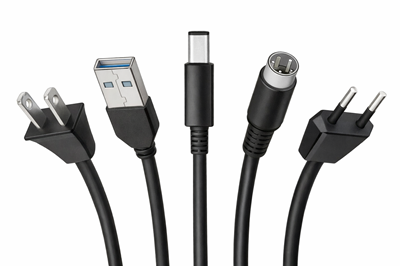
Figure 1. Power Adapter Plugs Overview
What Are AC Input Plugs?
AC input plugs are the components that connect a power adapter to a wall outlet to receive alternating current (AC) power. They serve as the entry point of electrical energy from the mains supply into the adapter. These plugs are designed to safely transfer electricity from the socket to the internal circuitry of the power adapter. Their primary function is to ensure a stable and secure connection to the power source. AC input plugs are great for enabling any power adapter to operate effectively. They are commonly integrated into power cords or directly attached to adapter bodies.
Common Types of AC Wall Plugs
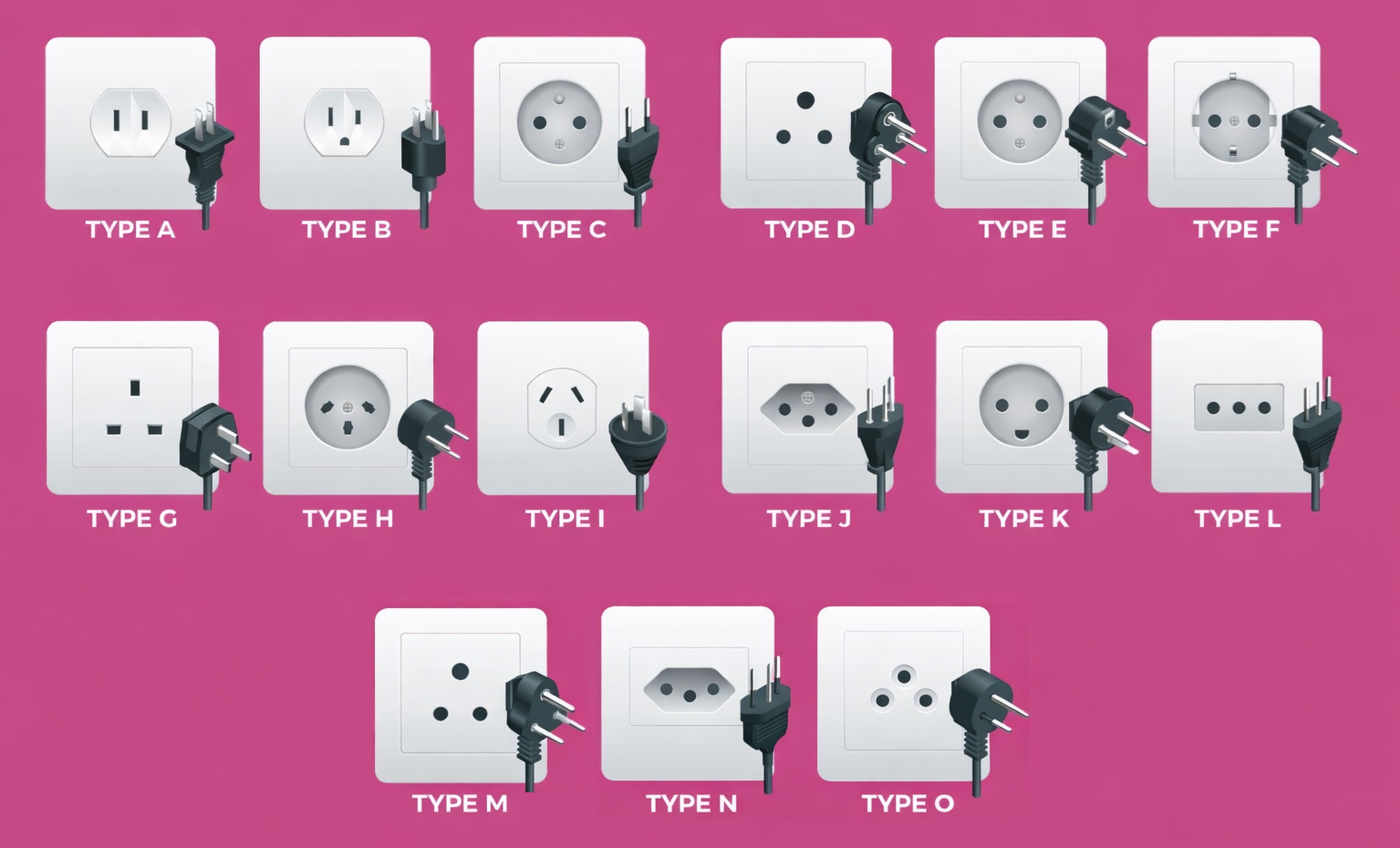
Figure 2. Global AC Plug Types
• Type A - Type A is a two-pin plug with flat parallel blades and no grounding pin. It is mainly used in the United States, Canada, Mexico, and Japan. Compared to other types, it is one of the simplest and most lightweight designs. This plug is commonly used for low-power devices such as phone chargers and small electronics. Its widespread use makes it a standard for basic consumer electronics. The simplicity of Type A makes it cost-effective and easy to manufacture.
• Type B - Type B is similar to Type A but includes an additional round grounding pin. It is widely used in North America and parts of Central America. Compared to Type A, it provides improved safety due to the grounding feature. This plug is commonly used for appliances that require higher safety standards. It is important in environments where electrical protection is necessary. Type B is a standard choice for both residential and commercial applications.
• Type C - Type C is a two-round-pin plug commonly known as the Europlug. It is widely used across Europe, Asia, and South America. Compared to Type A and B, it is more universally compatible with many socket types. This plug is typically used for low-power devices such as chargers and small appliances. Its compact design allows easy use in multiple regions. Type C plays an important role in international travel due to its wide compatibility.
• Type D - Type D is a three-round-pin plug arranged in a triangular pattern. It is mainly used in India, Nepal, and some African countries. Compared to Type C, it supports devices that require a more stable connection. This plug is commonly used in regions with older electrical standards. Its design allows it to handle moderate power requirements. Type D remains important in maintaining compatibility within its regional infrastructure.
• Type E - Type E is a two-round-pin plug with a hole for a grounding pin in the socket. It is commonly used in France, Belgium, and Poland. Compared to Type C, it includes a grounding mechanism for added safety. This plug is used for both low and medium-power devices. It is important for maintaining secure electrical connections in European systems. Type E is often compatible with Type F sockets.
• Type F - Type F, also known as the Schuko plug, features two round pins with grounding clips. It is widely used in Germany, Spain, and many European countries. Compared to Type E, it uses side grounding instead of a pin. This plug is commonly used for higher-power appliances. Its strong design provides a secure and stable connection. Type F is needed in modern European electrical systems.
• Type G - Type G is a three-pin plug with rectangular pins arranged in a triangular layout. It is used in the United Kingdom, Ireland, and several Asian countries. Compared to other types, it has a more robust and larger structure. This plug is commonly used in both household and office equipment. It is important for ensuring a firm and stable connection. Type G is widely recognized for its durability.
• Type H - Type H is a three-pin plug with pins arranged in a unique triangular formation. It is primarily used in Israel and nearby regions. Compared to Type C, it has a distinct design that limits compatibility. This plug is used in both residential and commercial settings. It ensures proper connection within its specific regional system. Type H is important for maintaining standardized electrical safety in its region.
• Type I - Type I is a plug with two flat angled pins and sometimes a grounding pin. It is commonly used in Australia, New Zealand, and China. Compared to Type A, the angled design provides a more secure fit. This plug is used in a wide range of electrical devices. It supports both household and industrial applications. Type I is good in regions with modern electrical infrastructure.
• Type J - Type J is a three-pin plug with round pins, including a grounding pin. It is mainly used in Switzerland and Liechtenstein. Compared to Type C, it offers additional grounding for safety. This plug is commonly used in both homes and offices. It ensures stable and secure electrical connections. Type J is important for maintaining high safety standards in its region.
• Type K - Type K is a three-pin plug with round pins and a grounding pin. It is primarily used in Denmark and Greenland. Compared to Type F, it has a slightly different grounding configuration. This plug is used for both residential and commercial devices. It ensures compatibility within the Danish electrical system. Type K is important for maintaining localized electrical standards.
• Type L - Type L is a three-round-pin plug arranged in a straight line. It is mainly used in Italy and some parts of North Africa. Compared to Type C, it supports higher current applications. This plug is used in both small electronics and larger appliances. It provides a stable and consistent connection. Type L is important for Italy’s standardized electrical system.
• Type M - Type M is a larger version of Type D with three round pins. It is used in South Africa and some neighboring countries. Compared to Type D, it is designed for higher power applications. This plug is commonly used in heavy-duty appliances. Its larger size allows it to handle more electrical load. Type M is important for industrial and high-power environments.
• Type N - Type N is a three-round-pin plug standardized in Brazil and South Africa. It is designed for improved safety and compatibility. Compared to Type C, it includes grounding for added protection. This plug is used in both residential and commercial devices. It supports modern electrical standards in its regions. Type N plays an important role in newer infrastructure systems.
• Type O - Type O is a three-round-pin plug used mainly in Thailand. It is designed to support modern electrical systems in the region. Compared to older plug types, it offers improved safety features. This plug is used in both household and commercial applications. It ensures compatibility with local electrical standards. Type O is important for supporting standardized power systems in Thailand.
Voltage and Frequency of AC Input Plugs
Power adapters are typically designed to operate within a wide input voltage range, commonly from 100V to 240V AC. This flexibility allows devices to be used in different countries without requiring separate power supplies. The adapter automatically adjusts to the incoming voltage to maintain stable performance. This feature is especially important for modern electronics used in global markets. Wide voltage support helps prevent damage caused by voltage mismatches. It also improves the convenience of using devices while traveling.
In addition to voltage, AC input power also operates at standard frequencies of 50Hz or 60Hz. These frequency values represent how often the electrical current alternates per second. Power adapters are built to handle both frequencies efficiently without affecting output performance. This ensures consistent operation regardless of regional electrical standards. Supporting both frequency types enhances compatibility across different power systems. As a result, most modern adapters are designed for universal input conditions.
Two-Prong vs Three-Prong AC Plugs
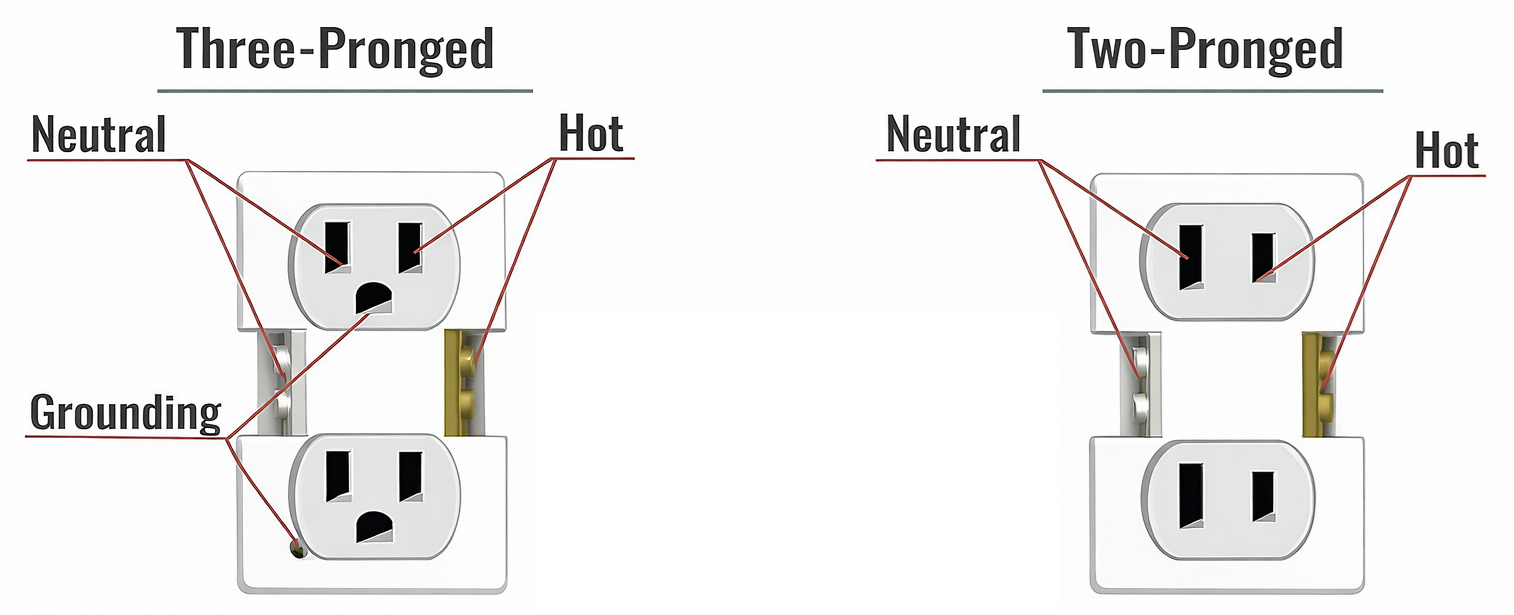
Figure 3. Two-Prong vs Three-Prong Plug Structure
Two-prong plugs consist of two electrical contacts that connect to the live and neutral wires of a power source. They are commonly used in devices that do not require grounding for safe operation. These plugs are lightweight and simpler in design, making them suitable for small electronics. They are often found in chargers, lamps, and low-power appliances. Two-prong plugs are widely used because of their compact structure. However, they provide basic protection and do not include additional safety grounding.
Three-prong plugs include an extra pin dedicated to grounding, which enhances electrical safety. This grounding connection helps prevent electric shock by directing excess current safely to the ground. These plugs are typically used in devices with higher power requirements or metal enclosures. They offer improved protection against electrical faults and short circuits. Three-prong plugs are commonly found in appliances like computers, refrigerators, and industrial equipment. Their design ensures safer operation in demanding electrical environments.
Fixed vs Interchangeable AC Plugs
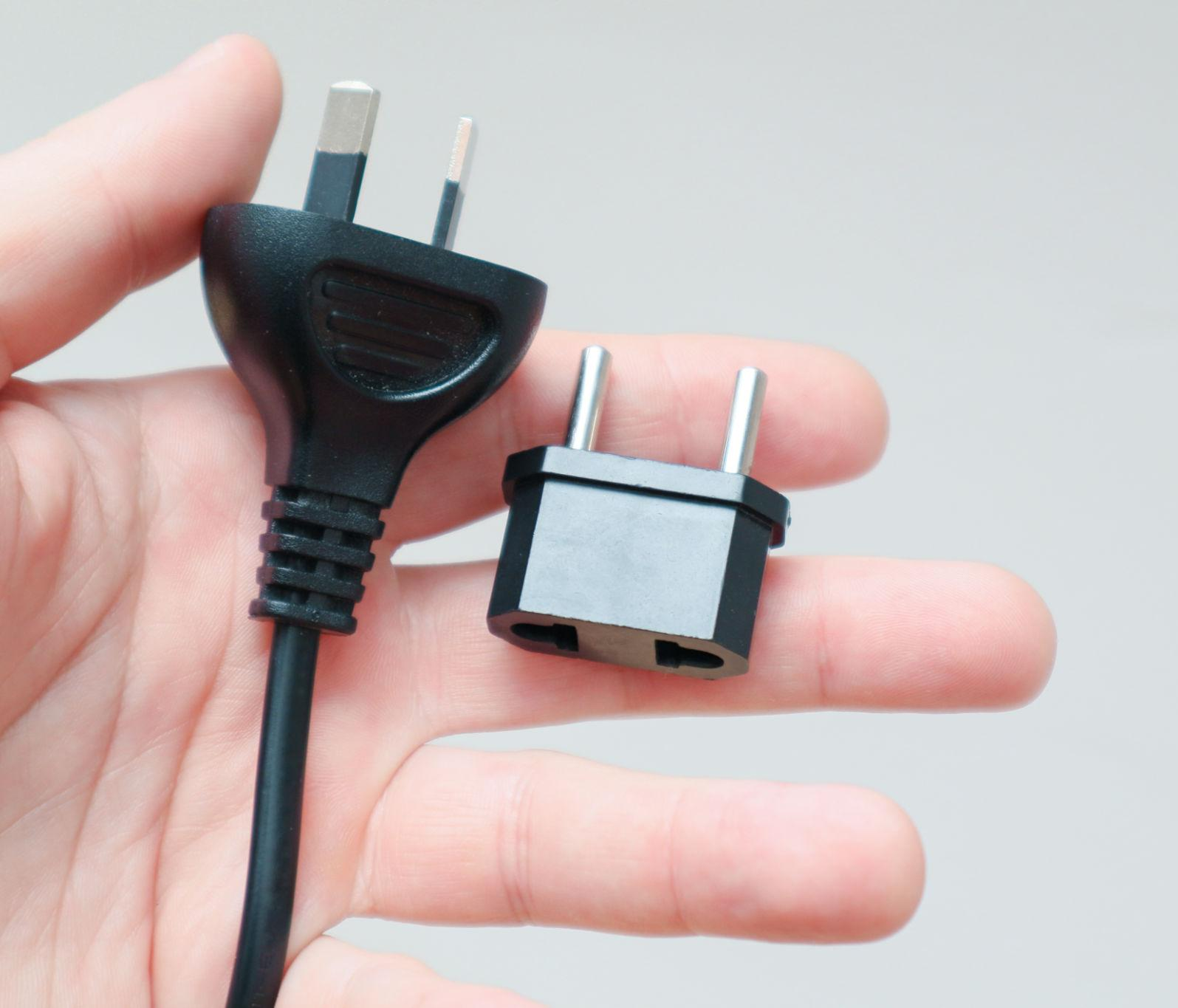
Figure 4. Fixed vs Interchangeable Plug Design
Fixed AC plugs are permanently attached to the power adapter and cannot be removed or replaced. This design provides a stable and durable connection for everyday use. It is commonly used in adapters designed for a specific region or country. Fixed plugs are simple and reduce the risk of loose connections. They are often preferred for stationary devices that are not frequently moved. This design ensures consistent performance without the need for additional components.
Interchangeable AC plugs, on the other hand, allow to swap different plug heads depending on the region. This makes them highly useful for travel and international applications. You can easily attach the appropriate plug type for different countries. This flexibility eliminates the need for multiple adapters. Interchangeable systems are commonly used in universal power adapters. They provide convenience while maintaining compatibility across various electrical standards.
What Are DC Output Connectors?
DC output connectors are the components that deliver regulated direct current (DC) power from a power adapter to an electronic device. They serve as the final connection point between the power source and the device being powered. These connectors ensure that the converted electrical energy is transferred efficiently and reliably. Their primary function is to provide a stable output that matches the device’s power requirements. DC output connectors are important for powering modern electronics such as laptops, routers, and portable devices. They are designed to maintain a secure and consistent connection during operation. These connectors also support safe operation by preventing accidental disconnection. Their design allows them to fit securely into device input ports. Without DC output connectors, power adapters would not be able to supply usable energy to devices.
Common Types of DC Connectors
Barrel Connectors
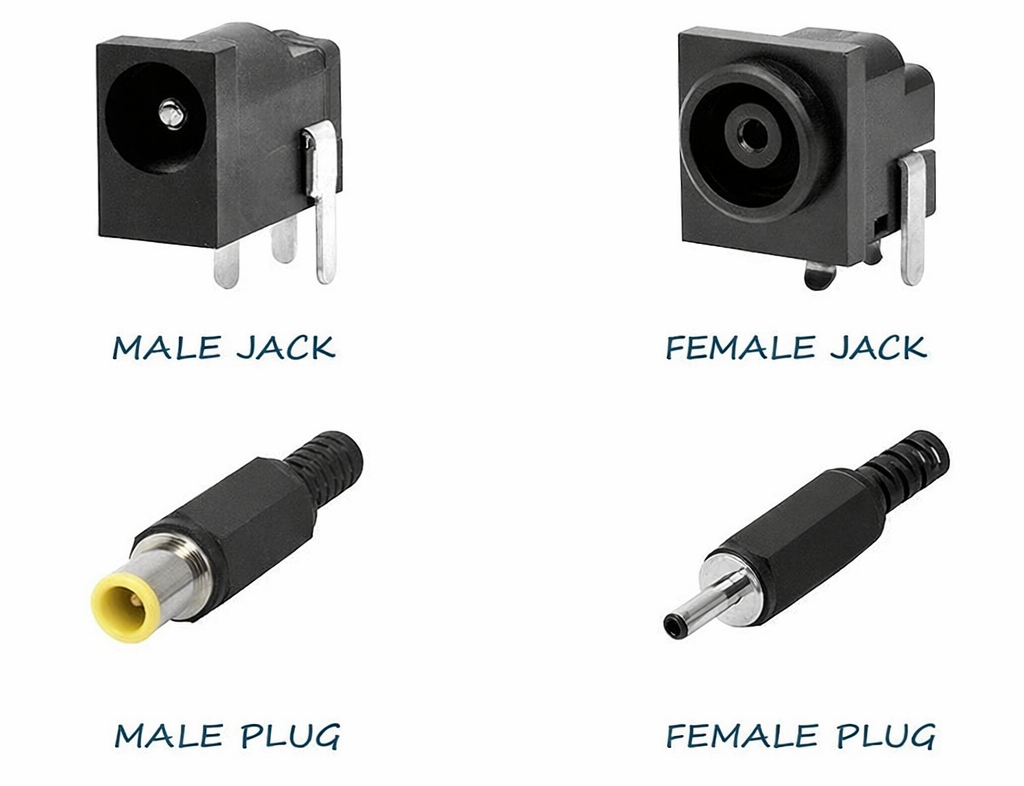
Figure 5. Barrel Connector Types
Barrel connectors are cylindrical power connectors commonly used in DC power applications. They consist of a hollow outer sleeve and an inner pin that carries electrical current. These connectors are widely used in devices such as routers, CCTV systems, and small electronics. Their simple structure allows for easy connection and disconnection during use. Barrel connectors are known for their reliability and consistent performance. They are designed to provide stable power transfer with minimal signal loss. As shown in the figure, they are available in both male and female configurations for secure connections.
DIN Connectors
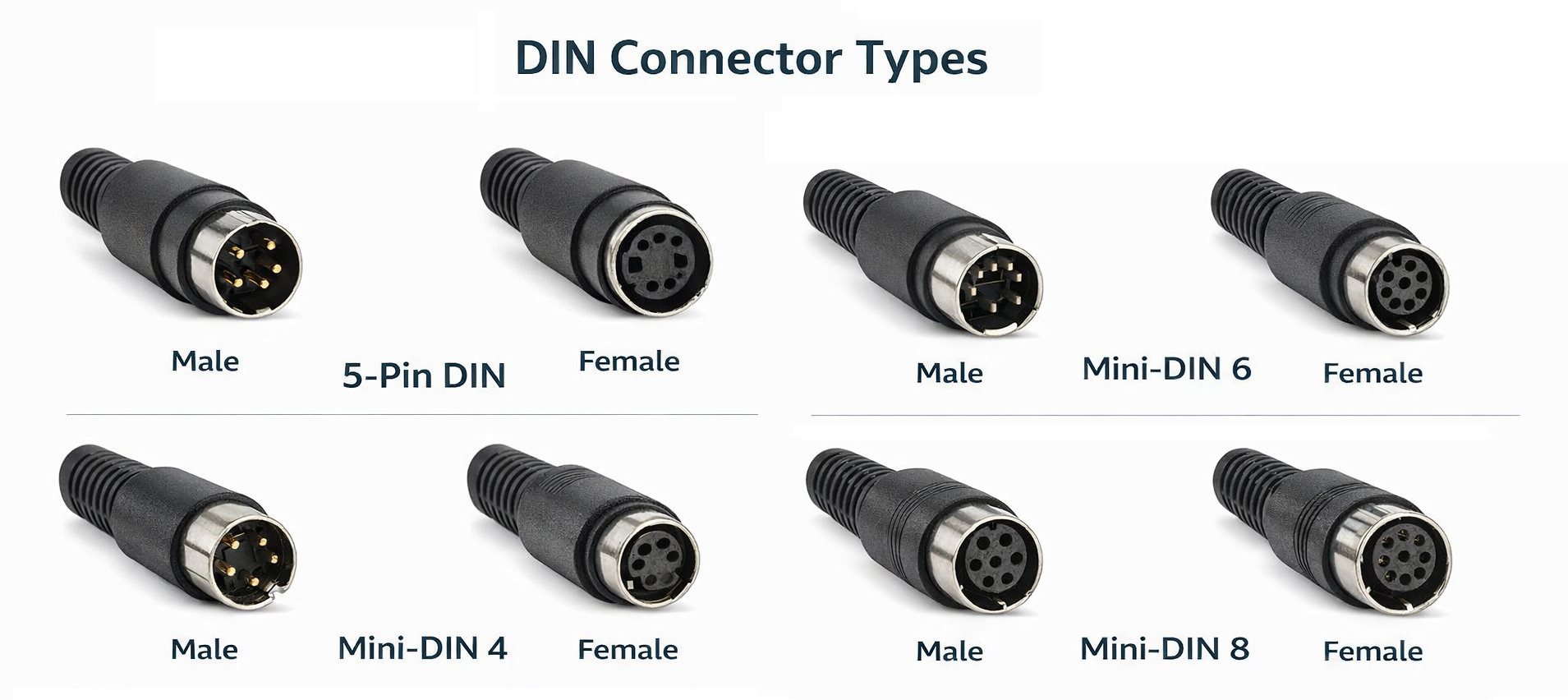
Figure 6. DIN Connector Types
DIN connectors are circular connectors with multiple pins arranged in a standardized pattern. They are commonly used in specialized electronic equipment and legacy systems. These connectors support multiple signal or power connections within a single interface. DIN connectors are known for their secure locking mechanism and precise pin alignment. They are often used in audio equipment, industrial systems, and communication devices. Their design ensures stable and organized connections. The figure illustrates different pin configurations used in various DIN connector types.
USB Connectors
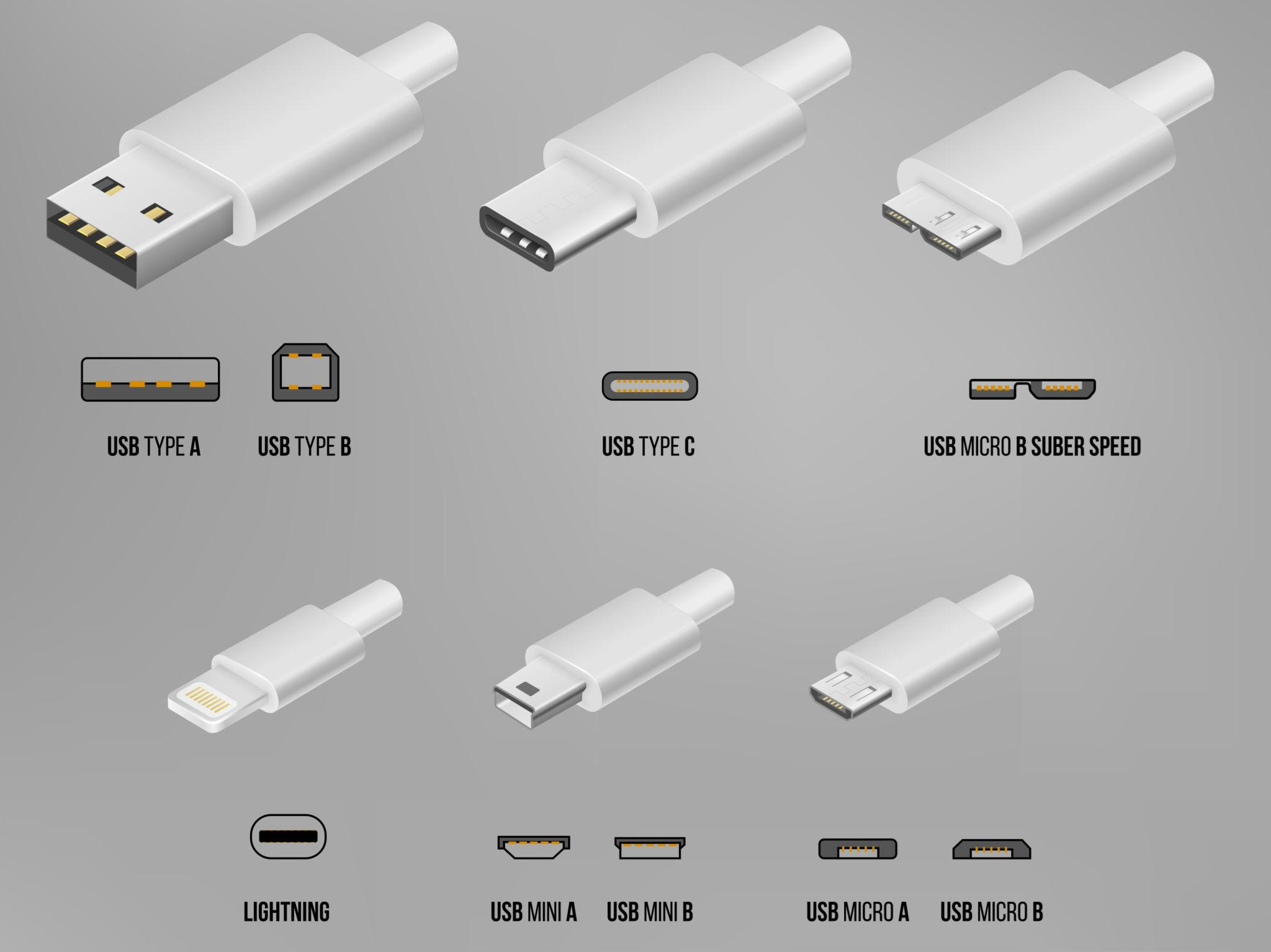
Figure 7. USB Connector Types
USB connectors are standardized interfaces used for both power delivery and data transfer in modern electronics. They are widely used in smartphones, laptops, and other portable devices. These connectors are designed for ease of use and universal compatibility. USB connectors support efficient power transfer across a wide range of devices. Their design allows for frequent plugging and unplugging without damage. They have become the most common type of DC connector in electronics. As shown in the figure, various USB formats are used depending on the device and application.
Differences Between AC Input and DC Output Plugs
|
Aspect |
AC Input Plugs |
DC Output
Connectors |
|
Primary Function |
Draw electrical
power from wall outlets |
Deliver
converted power to electronic devices |
|
Electrical Type |
Alternating
current (AC) input |
Direct current
(DC) output |
|
Location in
System |
Entry point of
the power adapter |
Exit point of
the power adapter |
|
Power Condition |
Unregulated
incoming electricity |
Regulated and
stabilized output |
|
Standard Basis |
Defined by
regional electrical standards |
Defined by
device design requirements |
|
Operating
Environment |
Household or
industrial wall sockets |
Electronic
device input ports |
|
Compatibility
Scope |
Limited to
country-specific outlets |
Matched to
specific device interfaces |
|
Structural
Design Goal |
Firm and safe
connection to mains supply |
Accurate and
stable connection to devices |
|
Safety Handling |
Designed to
manage high-voltage input |
Designed to
maintain safe low-voltage output |
|
Direction of
Power Flow |
From external
source into adapter |
From adapter to
end device |
|
Typical
Application |
Powering
adapters from infrastructure |
Supplying energy
to electronics |
|
Connection
Interface |
Plug inserted
into socket |
Connector
inserted into device port |
|
Flexibility |
Restricted by
regional plug format |
Adaptable across
various device types |
|
Physical
Integration |
Built-in or
detachable plug heads |
Attached to
output cable or adapter tip |
|
System Role |
Part of power
input infrastructure |
Part of
device-level power delivery |
Applications of Different Power Adapter Connectors
1. Consumer Electronics
Power connectors are widely used in devices such as smartphones, laptops, and tablets. They ensure stable charging and efficient power delivery for daily use. These connectors support modern lifestyles that rely heavily on portable electronics. Their reliability directly affects device performance and experience.
2. Networking Equipment
Routers, modems, and switches rely on DC connectors for continuous operation. Stable power connections are important to maintain uninterrupted internet connectivity. These connectors support long operating hours without failure. Their durability is important for both home and office networks.
3. Industrial Equipment
Industrial machines use specialized connectors for consistent and safe power delivery. These connectors are designed to handle demanding environments and continuous usage. They ensure reliable operation of automation systems and control units. Their performance is great in manufacturing and production processes.
4. Audio and Video Systems
Connectors are used in amplifiers, speakers, and media devices to deliver stable power. They help maintain consistent performance in entertainment systems. Reliable connections prevent interruptions during audio or video playback. These connectors are used for both home and professional setups.
5. Medical Devices
Medical equipment depends on secure power connectors for safe operation. These connectors ensure continuous functionality of healthcare devices. Reliability is required to avoid system failures during use. They play a role in maintaining patient safety and device accuracy.
6. Automotive and Portable Systems
Power connectors are used in vehicle electronics and portable power systems. They support devices such as GPS units, dash cams, and portable chargers. These connectors must withstand movement and varying conditions. Their design ensures consistent power delivery in mobile environments.
Conclusion
Power adapter plugs ensure reliable energy transfer by connecting devices to power sources and delivering the correct type of electricity. AC input plugs vary by region and design, while DC output connectors provide stable power suited to specific devices. Features such as voltage compatibility, grounding, and interchangeable designs improve safety and usability. Understanding these components helps ensure proper selection, compatibility, and efficient operation across different applications.
About us
ALLELCO LIMITED
Read more
Quick inquiry
Please send an inquiry, we will respond immediately.
Frequently Asked Questions [FAQ]
1. Can I use a power adapter with a higher wattage than my device requires?
Yes, you can use a higher-wattage adapter as long as the voltage matches your device. The device will only draw the power it needs, making it safe and efficient.
2. How do I identify the correct power adapter for my device?
Check the device label or manual for voltage, current, and connector type. Make sure all specifications match before choosing a replacement adapter.
3. Can I use a plug adapter without a voltage converter?
Yes, but only if your device supports the local voltage (e.g., 100–240V). Otherwise, you risk damaging the device without a voltage converter.
4. What is the difference between a power adapter and a charger?
A power adapter converts electrical power, while a charger manages battery charging. Many modern devices combine both functions in one unit.
5. How do I know if my power adapter is failing?
Signs include inconsistent charging, overheating, unusual noise, or visible damage. Replace it immediately to avoid device damage.
Switching Voltage Regulator Explained: Working, Types and Applications
on April 10th
What Is a Hall Effect Transducer and How It Works
on April 8th
Popular Posts
-

Complex Instruction Set Computers: How They Changed Computing?
on April 17th 147712
-

USB-C Pinout and Features
on April 17th 111689
-
Using Xilinx Unified Simulation Primitives: A Comprehensive Guide to FPGA Design and Simulation
on April 17th 111316
-

Power Supply Voltages in Electronics: Meaning of VCC, VDD, VEE, VSS, and GND
on April 17th 83587
-

RJ45 Connector Guide: Pinout, Wiring, Cable Types, and Uses
on January 1th 79238
-

The Ultimate Guide to Wire Color Codes in Modern Electrical Systems
The way our electrical systems use colors isn’t just for looks. Each wire color now indicates a specific function, making it easier to identify and handle electrical components correctly during ins...on January 1th 66756
-

Quality (Q) Factor: Equations and Applications
The quality factor, or 'Q', is important when checking how well inductors and resonators work in electronic systems that use radio frequencies (RF). 'Q' measures how well a circuit minimizes energy...on January 1th 62931
-
Purge Valve Guide: Function, Symptoms, Testing, and Replacement for Optimal Engine Performance
The purge valve is a key part of a car’s system that helps keep the air clean by managing fuel vapors before they can escape into the atmosphere. This not only helps the environment by reducing pol...on January 1th 62804
-

Achieving Peak Performance with the Maximum Power Transfer Theorem
The Maximum Power Transfer Theorem explains how energy from a source, such as a battery or generator, flows to a connected load. It shows the exact condition where the load receives the most power....on January 1th 54025
-

A23 Battery Specifications and Compatibility
The A23 battery is a small, cylinder-shaped battery with high voltage. Also called 23A, 23AE, or MN21, it runs at 12 volts and much higher than AA or AAA batteries. Its special design make...on January 1th 51955
HOT Part Number
-

HTST-108-01-L-DV-TR
Samtec Inc.
CONN HEADER SMD 16POS 2.54MM
0402YC183MAT2A
KYOCERA AVX
CAP CER 0.018UF 16V X7R 0402
STTH810FP
STMicroelectronics
DIODE GEN PURP 1KV 8A TO220FPAC
1812WC471KAT9A
KYOCERA AVX
CAP CER 470PF 2.5KV X7R 1812
LT3693EDD#TRPBF
Analog Devices Inc.
IC REG BUCK ADJ 3.5A 10DFN
FAN53611AUC115X
Fairchild Semiconductor
SWITCHING REGULATOR, 1A, 6600KHZ
NJM3357D
Nisshinbo Micro Devices Inc.
IC FM-IF NARROW BAND LP 16-DIP
RT0402DRE076K04L
Yageo
RES SMD 6.04KOHM 0.5% 1/16W 0402
IDT71016S15PH8
Renesas Electronics America Inc
IC SRAM 1MBIT PARALLEL 44TSOP II
SF2098H
Murata Electronics
FILTER SAW 915MHZ 4SMD
AM1S-1205SZ
aimtec
DC DC CONVERTER 5V 1W
1N2996
Solid State Inc.
DO4 10 WATT ZENER DIODES
06033U120JAT2A
KYOCERA AVX
CAP CER 12PF 25V NP0 0603
SX1503I091TRT
Semtech Corporation
IC XPNDR 400KHZ I2C 28QFN
LCMXO2-256ZE-1TG100C
Lattice Semiconductor Corporation
IC FPGA 55 I/O 100TQFP
ST7FLITES5Y0B6
STMicroelectronics
IC MCU 8BIT 1KB FLASH 16DIP
VE-J24-IX
Vicor Corporation
DC DC CONVERTER 48V 75W
CSD18502Q5B
Texas Instruments
MOSFET N-CH 40V 26A/100A 8VSON -

SMF12A-E3-08
Vishay General Semiconductor - Diodes Division
TVS DIODE 12VWM 19.9VC SMF
EL2480CSZ-T13
Renesas Electronics America Inc
IC OPAMP CFA 4 CIRCUIT 14SOIC
IXFX180N10
IXYS
MOSFET N-CH 100V 180A PLUS247
HFBR-1532Z
Broadcom Limited
XMITTER FIBER OPTIC VERT 1MBD
74LVC2G07GW-Q100H
Nexperia USA Inc.
IC BUFFER NON-INVERT 5.5V SOT363
170M6951
Eaton - Bussmann Electrical Division
FUSE SQUARE 3200A 600V RECT
MC10H186P
onsemi
IC FF D-TYPE SNGL 6BIT 16DIP
IXGX60N60B2D1
IXYS
IGBT 600V 75A 500W PLUS247
IRF740B
Fairchild Semiconductor
MOSFET N-CH 400V 10A TO220-3
SOMC1603150RGEA
Vishay Dale
RES ARRAY 8 RES 150 OHM 16SOIC
JMK105BJ105KV-M
Taiyo Yuden
CAP CER 1UF 6.3V X5R 0402
OPA2334AIDGSR
Texas Instruments
IC OPAMP ZER-DRIFT 2CIRC 10VSSOP
BQ2201SNTR
Texas Instruments
IC SRAM NONVOLATILE CNTRLR 8SOIC
XG4C-1434
Omron Electronics Inc-EMC Div
CONN HEADER R/A 14POS 2.54MM
IR22141SSTRPBF
Infineon Technologies
IC GATE DRVR HALF-BRIDGE 24SSOP
FAN5903BUCX
Fairchild Semiconductor
SWITCHING REGULATOR
V24A24T400B3
Vicor Corporation
DC DC CONVERTER 24V 400W
UCC5630AFQP
Texas Instruments
IC SCSI 9-LINE TERM 48-LQFP -

SMBT1201LT1G
onsemi
SS SOT23 GP XSTR SPCL TR
206037-1
TE Connectivity AMP Connectors
CONN PLG HSG FMALE 16POS INLINE
SS8P6CHM3/86A
Vishay General Semiconductor - Diodes Division
DIODE ARRAY SCHOTTKY 60V TO277A
LMK107F225ZA-T
Taiyo Yuden
CAP CER 2.2UF 10V Y5V 0603
SMDJ7.5CA
Meritek
TVS DIODE 7.5VWM 12.9VC
GRM0336T1E4R5CD01D
Murata Electronics
CAP CER 4.5PF 25V T2H 0201
C2012CH2W271K060AA
TDK Corporation
CAP CER 270PF 450V CH 0805
AMIS42665TJAA1G
onsemi
IC TRANSCEIVER HALF 1/1 8SOIC
OPA2277U/2K5
Texas Instruments
IC OPAMP GP 2 CIRCUIT 8SOIC
MX25U1635EM2I-10G
Macronix
IC FLASH 16MBIT SPI/QUAD 8SOP
SN74AUC1G04DCKR
Texas Instruments
IC INVERTER 1CH 1-INP SC70-5
MK10DN512ZVLQ10
NXP USA Inc.
IC MCU 32BIT 512KB FLASH 144LQFP
G3VM-401G
Omron Electronics Inc-EMC Div
SSR RELAY SPST-NO 120MA 0-400V
IS62WV1288FBLL-45TLI-TR
ISSI, Integrated Silicon Solution Inc
IC SRAM 1MBIT PARALLEL 32TSOP I
ISL62882BHRTZ
Renesas Electronics America Inc
IC REG CTRL IMVP-6.5 1OUT 48TQFN
SMF4L40A
Littelfuse Inc.
TVS DIODE 40VWM 64.5VC SOD123FL
FDC8884
onsemi
MOSFET N-CH 30V 6.5/8A SUPERSOT6
LT1019ACS8-2.5#TRPBF
Analog Devices Inc.
IC VREF SERIES 0.05% 8SOIC