Comprehensive Guide to Flash Memory: Types, Features, and Future Developments
This guide explores the world of flash memory, a key part of modern digital technology. We look at how it has evolved, how it works, and the important role it plays in everyday devices like smartphones and computers. Along the way, we cover different types of flash memory, their uses, challenges, and future developments.Catalog
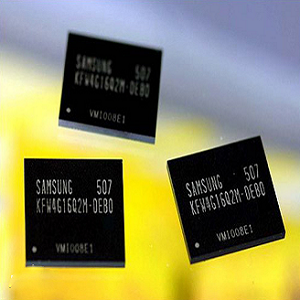
Overview of Flash Memory
Flash memory is a non-volatile storage technology that retains data without needing continuous power, unlike RAM, which requires power to preserve information. Widely used in devices like cameras, MP3 players, and smartphones, flash memory comes in various formats, including CompactFlash (CF) and Secure Digital (SD) cards. Over time, it has transformed digital storage, offering greater capacity and reliability in portable devices, making it needed for photographers and multimedia. Its fast data access speeds improve performance in areas like gaming and video playback, though challenges like wear leveling and data longevity persist. As technology advances, flash memory is expected to evolve further, increasing storage density and efficiency to meet the growing demands of IoT and next-gen computing systems, paving the way for a more interconnected future.
Technical Features and Nuances
Flash memory comes in two main types: NOR and NAND, each designed for different purposes. NOR flash works similarly to computer memory by using separate address and data lines, which makes it more expensive to produce and limits its storage capacity. However, its ability to directly execute programs from the chip makes it ideal for storing firmware or code in devices like mobile phones. On the other hand, NAND flash combines address and data lines to maximize storage space at a lower cost. It’s more suitable for general data storage, such as in USB drives, memory cards, and solid-state drives (SSDs). The choice between NOR and NAND depends on what a device needs, NOR is great for running programs directly, while NAND is better for storing large amounts of data.
The architecture of NAND flash is designed to handle large blocks of data, similar to how traditional hard drives work. This makes it efficient for tasks that involve managing large files, like videos or photos, which is why it's commonly used in devices that require bulk storage. However, NAND flash is less efficient when dealing with small, frequent data transactions, such as writing small files or making constant updates. This limitation makes it important to consider the specific use case when choosing storage solutions for example, devices needing fast and frequent updates may require other technologies to ensure better performance.
When selecting storage solutions, you need to balance cost, capacity, and performance. While flash memory is fast and reliable, it becomes expensive when higher storage capacities (such as 500GB or more) are required. In such cases, traditional hard drives are often a more budget-friendly option. For consumers, the best approach is to assess their specific needs, such as how much data they need to store and how quickly they need to access it. This evaluation helps ensure they pick a storage solution that offers the right mix of speed, capacity, and long-term value, whether it's flash memory for speed and portability or a hard drive for large, economical storage.
Categories of Flash Memory
Flash memory is methodically categorized by type and brand, catering to diverse functions across the tech landscape. Various types include USB drives, CF cards, SD/MMC cards, and PCIe flash cards, each crafted to meet specific application demands from basic data storage to complex high-speed computing. Esteemed brands like Kingston, Sony, SanDisk, and Samsung make lasting impressions in the market with products known for their dependability and innovation.
Flash Memory Types
Each flash memory type caters to distinct needs:
• USB drives boast versatility, perfect for daily data transfers due to their portability and ease of use.
• CF cards, though less prevalent in gadgets now, excel in photography and videography with their durability and speed.
• SD/MMC cards have become central in electronics, showcasing progressive advances in microelectronics, enhancing storage capacity while maintaining a small size.
• PCIe flash cards are notable for their ultra-fast data access, used in enterprise environments where speed and precision are the benchmarks of achievement.
Leading Brands and Their Innovations
Top-tier brands harness their technical prowess to enhance flash memory's potential. Kingston and SanDisk are often selected for their extensive, reliable choices at appealing prices. Sony and Samsung propel innovation forward, integrating features like faster data transfer rates and advanced security. Their focus on research and development signals an ongoing quest for quality, subtly guided by evolving requirements and the heightened focus on data security and efficient access.
Technical Elements of NAND Flash Memory
At the core of technical construction, the Page, as the unit of NAND flash, typically consists of (512+16) bytes or more, adapting as storage demands grow. Its architecture requires sector erasure before rewriting, highlighting the need for effective data management in high-performance scenarios. To meet changing needs, high-capacity NAND incorporates advanced designs, such as 16 I/O lines, markedly enhancing data processing speed, an aspect in today's tech-driven world.
Refined Aspects of Flash Memory Storage
Flash memory technology originates as a sophisticated evolution from EPROM and EEPROM frameworks, reflective of the shifting sands of technological triumphs and tribulations.
EPROM Technology
EPROM systems harness the capabilities of floating gate MOS (Metal-Oxide-Semiconductor) architectures. These systems allow for data erasure and reprogramming through exposure to ultraviolet light, showcasing a major breakthrough amidst certain hurdles like prolonged exposure time and environmental sensitivity, echoing the delicate balance of progress.
EEPROM Innovations
The transition to EEPROM technology introduced dual floating gates, signaling a transformative advance. Electrical signals govern erasure and programming, allowing data handling with enhanced precision and less physical interference. These innovations empowered engaged in chip design, facilitating task simplification on a microscopic scale.
Contemporary Flash Memory
The evolution to modern flash memory leverages EEPROM principles while optimizing practicality and efficiency. By integrating a thin tunnel oxide layer, it allows electrons to maneuver effortlessly into the floating gates, enabling swift data interactions. Operations, such as writing, reading, and erasing, are performed in blocks, enhancing storage density and reliability, echoing the desire for progress and reliability in a rapidly advancing technological world.
Advancements through Semiconductor Design
Behind these ever-evolving designs resides the dynamic spirit of modern semiconductor technologies. The semiconductor sector’s adaptability and refinement of these technologies ripple across countless applications, embodying the very essence of technological evolution skillfully woven by ingenuity. The complex world of flash memory storage mirrors the intricate tapestry of technological evolution, illustrating a fusion of accumulated wisdom and pioneering semiconductor design expertise.
Future of Solid-State Storage
Flash memory, with its notable evolution, has woven itself into the fabric of modern digital devices, stretching from humble USB drives to components within BIOS systems, PDAs, and an array of electronic gadgets. Its charm resonates in its unmatched stability and compact design, facilitating a smooth transition from the early USB 1.0 models to the cutting-edge 3.0 variations. This technology’s ability to keep up with and even enhance technological progress has secured its staple status in the digital domain. As manufacturing costs dwindle and production processes become more adept, flash memory continues to be embraced across various fronts.
Flash memory’s aptitude for addressing burgeoning demands for larger storage capacity while minimizing power use marks a substantial shift in storage technology. Innovative manufacturing methods have ushered in more affordable production, positioning flash memory as a feasible option against traditional storage solutions. This is noteworthy as the technological environment prioritizes efficient battery use and storage in mobile and wearable devices. Observations from industry specialists reveal that devices employing flash memory frequently boast superior performance characteristics over conventional hard disks, highlighting a broader shift towards solid-state storage solutions.
As flash memory steadily gains traction within areas once dominated by hard disk drives, the market dynamics are noticeably transforming. Many report that flash-based storage excels in aspects such as speed, resilience, and energy economy. Despite hard disks maintaining a cost per gigabyte advantage, the disparity is lessening. Those well-versed in storage options are increasingly drawn to flash memory due to its speed and reliability in routine applications. Enhanced demand for mobile computational power and swift data access propels this shift, further establishing flash memory's future role in storage solutions.
Considering these remarkable advancements, flash memory remains at the helm of a storage renaissance. As it becomes more universally accessible and adaptable to the latest technological demands, its horizon for potential broadens continuously. The industry's path suggests that flash memory is poised to become the principal choice for a wide array of digital applications. This shift harmonizes with the overarching technological trend towards solutions that are not only efficient and reliable but also leave room for the ever-evolving expectations for high-speed, seamless digital interactions.
Factors Influencing NAND Flash Efficiency
Page Number and Memory Capacity
The intricacies of NAND flash design are influenced by page number and memory capacity. More pages typically mean addressing times are prolonged, reflecting the complexity of handling increased amounts of data. A fine equilibrium is important, as a higher quantity of smaller pages can uplift data transfer efficiency by managing data in smaller segments. This is visible in high-capacity devices where data transfer strategies are designed to alleviate latency challenges.
Data Read/Write Dynamics
Data read and write efficiencies are at the heart of NAND flash performance. Streamlining these processes enhances the throughput of data interaction. Many prioritize refining these cycles since every operation influences device speed as a whole. By minimizing cycle durations, devices can closely emulate conditions where swift data retrieval is highly valued. A review of efficient device rollouts reveals that enhanced read/write frameworks often correlate with higher user contentment, owing to decreased wait periods during functions.
Capacities of Data Blocks
The capacity of data blocks is a factor that shapes NAND flash effectiveness. Larger blocks harbor a heightened risk of data corruption, hence necessitating sophisticated error-correction techniques. Yet, augmenting block size can boost bulk data transfer efficiency. This equilibrium holds particular significance in sectors like enterprise storage systems, where reliability must dovetail seamlessly with performance expectations.
Interface Width and Operating Speed
Expanding the I/O bit width substantially accelerates the pace of data transaction between NAND flash and other system units. Likewise, elevated operating frequencies lead to quicker data processing speeds. Devices forged with broader bit widths frequently accommodate concurrent data operations, a trait exceedingly advantageous in multitasking settings with substantial performance requirements.
Fabrication Innovations
Progressions in manufacturing methodologies markedly shape NAND flash performance. As production processes evolve, they procure shorter stabilization durations and diminish node dimensions, promoting enhanced efficiency and denser chips. Such advancements mirror those observed in other semiconductor advancements, where each progressive leap yields elevated capabilities and improved energy utilization. The relentless pursuit of manufacturing refinement shows the harmony of innovation and effective application in technology crafting. Acquiring a thorough understanding of these elements enriches one's appreciation for the nuanced engineering processes underpinning NAND flash advancements. Each distinct component contributes to a harmonious confluence of performance improvements and refinements that cater to the intricate demands characteristic of modern technological applications.
Evolution of Flash Memory and Market Dynamics
Flash memory has revolutionized digital storage since its inception in the 1980s, with Intel introducing the NOR type in 1984, enabling faster data access, and Hitachi launching the more efficient NAND type in 1989, which became used for devices like USB drives and memory cards. Over time, major players like Samsung have driven the industry’s growth by adopting innovative strategies and responding to shifting market trends through mergers and technological advancements. Recent innovations, such as 3D NAND architecture, continue to improve performance and lower costs, catering to the growing demand for storage in devices like smartphones and IoT gadgets. Companies that thrive in this competitive space are those that balance cutting-edge research with market awareness, staying agile in the face of geopolitical and technological changes to secure long-term leadership.
Flash Memory Compared to Hard Disks
Flash memory offers several advantages over traditional hard disks, particularly in terms of speed, durability, and size. Unlike hard disks, which use moving mechanical parts to read and write data, flash memory is entirely electronic, allowing for faster data transfer rates. Its lack of moving parts also makes it more resistant to shocks and impacts, which is why it's commonly used in portable devices like smartphones, tablets, and laptops. This durability makes flash memory ideal for industries where equipment must endure frequent movement or harsh conditions, such as automotive, aerospace, and military applications.
However, flash memory has its challenges, when it comes to cost and performance in certain areas. Flash memory is more expensive per unit of storage compared to hard disks, making it less cost-effective who require large amounts of storage. Additionally, while flash memory excels in quickly accessing random bits of data, it can be slower than high-performance hard disks when transferring large, sequential files. This can be a disadvantage in scenarios where uninterrupted data flow is needed, such as video editing or large-scale data processing.
Despite its higher cost, flash memory is increasingly being adopted in industries that prioritize lightweight, durable, and fast devices. As technology advances and production costs decrease, flash memory is becoming more affordable and widely available. Some businesses are also turning to hybrid storage solutions, which combine the speed and durability of flash memory with the cost-effectiveness of traditional hard disks. Choosing between flash memory and hard disks depends on the specific needs, whether they prioritize durability and speed over cost, or if they need high-capacity storage at a lower price.
About us
ALLELCO LIMITED
Read more
Quick inquiry
Please send an inquiry, we will respond immediately.
FPGA I/O Pins: Configuration, High Frequencies, and IOB Banks
on January 9th
The Evolution and Applications of System on Chip (SoC) Technology
on January 9th
Popular Posts
-

Complex Instruction Set Computers: How They Changed Computing?
on April 18th 147749
-

USB-C Pinout and Features
on April 18th 111908
-
Using Xilinx Unified Simulation Primitives: A Comprehensive Guide to FPGA Design and Simulation
on April 18th 111349
-

Power Supply Voltages in Electronics: Meaning of VCC, VDD, VEE, VSS, and GND
on April 18th 83714
-

RJ45 Connector Guide: Pinout, Wiring, Cable Types, and Uses
on January 1th 79502
-

The Ultimate Guide to Wire Color Codes in Modern Electrical Systems
The way our electrical systems use colors isn’t just for looks. Each wire color now indicates a specific function, making it easier to identify and handle electrical components correctly during ins...on January 1th 66869
-

Quality (Q) Factor: Equations and Applications
The quality factor, or 'Q', is important when checking how well inductors and resonators work in electronic systems that use radio frequencies (RF). 'Q' measures how well a circuit minimizes energy...on January 1th 63004
-
Purge Valve Guide: Function, Symptoms, Testing, and Replacement for Optimal Engine Performance
The purge valve is a key part of a car’s system that helps keep the air clean by managing fuel vapors before they can escape into the atmosphere. This not only helps the environment by reducing pol...on January 1th 62947
-

Achieving Peak Performance with the Maximum Power Transfer Theorem
The Maximum Power Transfer Theorem explains how energy from a source, such as a battery or generator, flows to a connected load. It shows the exact condition where the load receives the most power....on January 1th 54077
-

A23 Battery Specifications and Compatibility
The A23 battery is a small, cylinder-shaped battery with high voltage. Also called 23A, 23AE, or MN21, it runs at 12 volts and much higher than AA or AAA batteries. Its special design make...on January 1th 52089
HOT Part Number
-

BD9B100MUV-E2
Rohm Semiconductor
IC REG BUCK ADJ 1A 16VQFN
UPD70F3539AF5A9-PN7-Q-A
Renesas Electronics America Inc
IC MICROCONTROLLER
18081A621JAT2A
KYOCERA AVX
CAP CER 620PF 100V NP0 1808
FDN340P
onsemi
MOSFET P-CH 20V 2A SUPERSOT3
70231-101
Amphenol ICC (FCI)
CONN RCPT BLADE PWR 8POS EDGE MT
MPSW42RLRAG
onsemi
TRANS NPN 300V 0.5A TO92
MC7824BT
onsemi
IC REG LINEAR 24V 1A TO220AB
AD8009ARZ-REEL
Analog Devices Inc.
IC OPAMP CFA 1 CIRCUIT 8SOIC
LT1815CS5#TRPBF
Analog Devices Inc.
IC OPAMP VFB 1 CIRCUIT TSOT23-5
DG411DYZ
Renesas Electronics America Inc
IC SWITCH SPST-NCX4 35OHM 16SOIC
VFT2060C-M3/4W
Vishay General Semiconductor - Diodes Division
DIODE SCHOTTKY 20A 60V ITO-220AB
TSX562AIYST
STMicroelectronics
IC CMOS 2 CIRCUIT 8MINISO
MR256D08BMA45
Everspin Technologies Inc.
IC RAM 256KBIT PARALLEL 48FBGA
VSC3312YYP-01
Microchip Technology
IC SWITCH 16X16 6.5GBPS 196FCBGA
XC68HC908GP20CFB
Motorola
TSG 8BIT20K FLASH
CSR8811A08-ICXR-R
Qualcomm
IC RF TXRX+MCU BLUETOOTH
MPSW05
onsemi
TRANS NPN 60V 0.5A TO92
1N4055R
Solid State Inc.
DIODE GEN PURP REV 900V 275A DO9 -

ASX342ATSC00XPED0-DP
onsemi
IMAGE SENSOR VGA 1/4 CIS SOC
0433.125NR
Littelfuse Inc.
FUSE BOARD MNT 125MA 125VAC/VDC
1SMA5941BT3G
onsemi
DIODE ZENER 47V 1.5W SMA
DCP010512BP-U/700
Texas Instruments
DC DC CONVERTER 12V 1W
1-1734344-1
TE Connectivity AMP Connectors
CONN D-SUB HD RCPT 15P R/A SLDR
KSD1621STF
onsemi
TRANS NPN 25V 2A SOT89-3
BQ24161RGET
Texas Instruments
IC BATT CHG LI-ION 1CELL 24VQFN
BTA26-600BW
STMicroelectronics
TRIAC ALTERNISTOR 600V 25A TOP3
NCP1239DD65R2G
onsemi
IC OFFLINE SWITCH FLYBACK 7SOIC
TMS320TCI6482BZTZA
Texas Instruments
TMS320 - DIGITAL SIGNAL PROCESSO
BQ20Z90DBTR-V150
Texas Instruments
IC GAS GAUGE LI-ION 30TSSOP
PCMB104T-1R0MT
Susumu
FIXED IND 1UH 18A 3.3 MOHM SMD
CY29942AXCT
Infineon Technologies
IC CLK BUFFER 1:18 200MHZ 32TQFP
CC0402KRX7R9BB561
YAGEO
CAP CER 560PF 50V X7R 0402
STPS20M60SG-TR
STMicroelectronics
DIODE SCHOTTKY 60V 20A D2PAK
AT25010N-10SC-2.7
Microchip Technology
IC EEPROM 1KBIT SPI 3MHZ 8SOIC
04023A1R0CAT4A
KYOCERA AVX
CAP CER 1PF 25V C0G/NP0 0402
ISL6327IRZ
Intersil
SWITCHING CONTROLLER, VOLTAGE-MO -

LQW18AN75NG0ZD
Murata Electronics
FIXED IND
DFA100BA160
SanRex Corporation
DIODE MODULE 1600V 100A
BAR46AFILM
STMicroelectronics
DIODE ARRAY SCHOTTKY 100V SOT23
MAX825SEUK
Analog Devices Inc./Maxim Integrated
IC SUPERVISOR MPU
MMST2222A-7-F
Diodes Incorporated
TRANS NPN 40V 0.6A SOT323
FODM8801AR2
onsemi
OPTOISO 3.75KV TRANS 4-MINI-FLAT
FJV1845FMTF
Fairchild Semiconductor
SMALL SIGNAL BIPOLAR TRANSISTOR,
EVK105RH5R1JW-F
Taiyo Yuden
CAP CER 5.1PF 16V R2H 0402
6651170-3
TE Connectivity AMP Connectors
CONN EDGE DUAL FMALE 4POS 0.508
KSZ8893FQLI-FX
Microchip Technology
IC SWITCH ETH 3PORT 128QFP
170M6340
Eaton - Bussmann Electrical Division
FUSE SQUARE 400A 1.3KVAC RECT
BCM20741A2KFB1G
Broadcom Limited
SINGLE-CHIP BLUETOOTH
MAX3443EASA+
Analog Devices Inc./Maxim Integrated
IC TRANSCEIVER HALF 1/1 8SOIC
GRM0335C1H9R3DA01D
Murata Electronics
CAP CER 9.3PF 50V C0G/NP0 0201
TNY175PN
Power Integrations
11.5 W (85-265 VAC) 15 W (230 VA
742700726
Würth Elektronik
FERRITE CORE 278 OHM SOLID 4MM
DM74S20N
onsemi
IC GATE NAND 2CH 4-INP 14DIP
P4SMA56CA-E3/61
Vishay General Semiconductor - Diodes Division
TVS DIODE 47.8VWM 77VC DO214AC