HDMI Modulators: Ultimate Guide to High-Definition RF Signal Distribution
HDMI modulators are a smart tool in the world of audio and video technology. They change HDMI signals from devices like Blu-ray players or game consoles into RF signals that can travel through coaxial cables. This makes it easy to send high-quality video and audio to many TVs at once without needing a bunch of HDMI cables. This guide explains how HDMI modulators work, what they do, and why they're useful in places like hotels, stores, and big apartment buildings.Catalog

Overview of HDMI Modulators
An HDMI modulator converts HDMI signals into radio frequency (RF) signals, enabling high-definition content to be distributed over traditional coaxial cable systems. This technology is important in environments like hotels, retail spaces, and large residential complexes where centralized content delivery is required. By using an HDMI modulator, video and audio from devices such as Blu-ray players, gaming consoles, and streaming boxes can be broadcast to multiple TVs without needing separate HDMI cables for each display, streamlining installation and reducing costs.
HDMI modulators work by encoding digital HDMI signals, including high-definition video and multi-channel audio, into RF signals that travel through coaxial cables. These modulated signals can be received by standard televisions, allowing multiple screens to simultaneously display the same high-definition content. This solution is useful where running individual HDMI cables isn’t practical, like in hotels with centralized broadcasting systems. Advanced features like channel mapping, remote management, and compatibility with digital tuners enhance their functionality. Supporting resolutions up to 1080p Full HD, HDMI modulators are ideal for sports bars, digital signage in shopping centers, and educational institutions requiring centralized media distribution.
Distinction Between Modulation and Encoding
Understanding the difference between modulation and encoding is needed for comprehending how HDMI modulators work. Encoding involves converting raw video and audio inputs into digital transport streams (TS). This process compresses and formats HDMI, HD-SDI, or analog signals into a digital form suitable for transmission or storage. Encoded streams can then be sent over IP or ASI (Asynchronous Serial Interface) networks, supporting applications like IPTV or preparing content for further modulation. In contrast, modulation converts these digital transport streams into RF signals that travel through coaxial cables. This allows digital content to be integrated into traditional broadcasting systems, enabling any standard TV or set-top box connected to the coaxial network to receive and display the content.
Encoders and modulators differ in their input and output configurations. Encoders take HDMI, HD-SDI, or analog AV inputs and produce digital TS outputs, typically sent via IP or ASI. Modulators, on the other hand, accept ASI or IP inputs and convert them into RF outputs, facilitating content distribution across multiple displays without distance or connectivity limitations. By understanding these distinct functions, you can effectively select and configure the right audiovisual equipment for your needs, ensuring efficient and scalable content delivery systems.
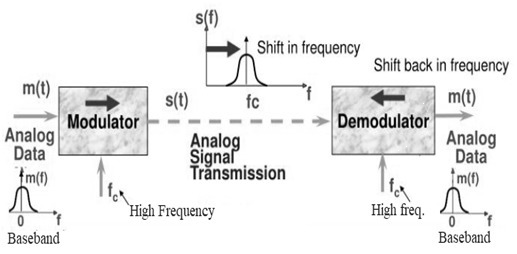
Figure 2. Frequency Domain Representation of Modulation and Demodulation
Resolution Capabilities of RF Modulators
RF modulators send audio and video through existing coaxial cables, making it easy to share content on multiple TVs without adding new wires. They work with different video resolutions, from standard definition (SD) to high definition (HD) and even 4K, affecting how clear the picture looks. Because they support different resolutions, RF modulators are great for homes, hotels, sports bars, and stores.
Ultra HD 4K Resolution Support
A key feature of modern RF modulators is their ability to support Ultra HD 4K resolution, which displays 3840×2160 pixels. This is four times the resolution of Full HD, resulting in sharper images, richer colors, and more detailed visuals ideal for today’s high-definition screens. These modulators can also process different 4K frame rates, including 60P, 50P, 30P, 25P, and 24P. This flexibility ensures smooth and realistic motion, which is important for fast-paced content like live sports and gaming. Transmitting 4K content over coaxial cables is useful for centralized content distribution, avoiding the need for costly HDMI or network upgrades. This makes 4K RF modulators perfect for hotels, corporate offices, schools, and retail spaces, where high-resolution content needs to reach multiple displays efficiently.
High Definition Support and Versatility
Modern RF modulators support a range of high-definition resolutions, including 4K, 1080p, and 720p, making them adaptable to different viewing needs. Full HD 1080p, with a resolution of 1920×1080 pixels, delivers clear and detailed video suitable for most commercial and home uses. It also supports various frame rates, making it compatible with broadcasting standards worldwide. HD 720p, with a resolution of 1280×720 pixels, uses less bandwidth while still providing good picture quality, making it a smart choice in places where ultra-high resolution isn’t necessary or where bandwidth is limited. RF modulators also work with interlaced formats like 720×480_60i (NTSC) and 720×576_50i (PAL), allowing them to connect easily with both modern and older broadcast systems.
This flexibility to choose between 4K, 1080p, and 720p set up your AV systems to match the budget, bandwidth, and display needs. It’s useful in environments with mixed displays, supporting both the latest 4K screens and older HD models without needing new equipment. This makes RF modulators a versatile and cost-effective choice for homes, businesses, and public spaces.
Enhanced Comparison with Standard Definition Modulators
Modern RF modulators provide an upgrade over traditional SD modulators, which support lower resolutions like 720×576i or 720×480i. While these resolutions work for basic viewing, they lack the detail and vibrancy needed for today’s high-quality displays. In contrast, HD and UHD modulators deliver far superior video quality, featuring sharper images, more vivid colors, and smoother motion. This enhanced visual and increases engagement, making HD and UHD RF modulators ideal for high-impact digital signage, dynamic retail displays, and immersive educational content. This improvement in resolution and image quality has made modern RF modulators a preferred choice for AV installations, ensuring exceptional viewing experiences across a wide range of applications.
Features of HDMI Modulator
Input and Output Interfaces
HDMI modulators are known for their versatile input and output interfaces, which enable seamless connectivity with a variety of digital devices. They can accept inputs from Blu-ray players, gaming consoles, streaming devices, and computers. This flexibility ensures that high-definition audio and video signals are accurately received and processed, preserving the quality of the original content. Most HDMI inputs support resolutions up to 1080p at 60Hz, while advanced models handle up to 4K, maintaining high bandwidth and image quality. This capability allows to connect modern high-definition sources without compatibility issues. For output, HDMI modulators convert the processed signals into RF signals that travel over coaxial cables. These RF signals are compatible with several digital broadcasting standards, including DVB-T, DVB-C, ATSC, and ISDB-T. This adaptability makes HDMI modulators suitable for international use, supporting different regional broadcasting requirements.
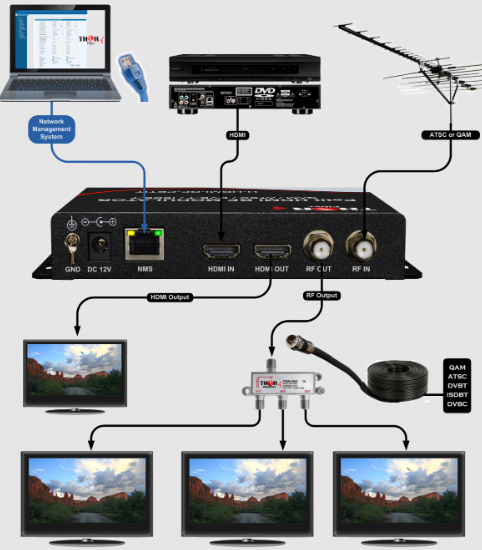
Figure 3. HDMI Modulator Input and Output Interface Diagram
Video and Audio Encoding Technologies
HDMI modulators use advanced video and audio encoding technologies to efficiently transmit high-definition content. For video encoding, most HDMI modulators use H.264/AVC, which provides a good balance between compression efficiency and video quality. This standard delivers clear, high-quality images while using minimal bandwidth, making it ideal for live broadcasts and fast-moving visuals. By efficiently compressing video data, H.264/AVC helps maintain image quality without overloading the network. For audio encoding, common formats include MPEG1 Layer II and AAC. MPEG1 Layer II is popular in broadcasting because it compresses audio efficiently while maintaining clear sound quality.

Figure 4. Multi-Channel HDMI Modulator with Advanced Video and Audio Encoding
On the other hand, AAC offers even better audio fidelity, delivering a richer and more immersive listening experience. AAC’s advanced compression also allows high-quality sound to be transmitted without requiring excessive bandwidth, making it suitable for high-definition multimedia content. These video and audio encoding technologies enable HDMI modulators to provide high-quality while optimizing bandwidth usage. This ensures smooth and reliable transmission across complex distribution networks, making HDMI modulators a practical choice for both residential and commercial audiovisual systems.
Advanced Resolution Support
HDMI modulators are designed to support a range of resolutions, making them adaptable to different viewing needs. Most models support Full HD (1080p) at 60Hz, delivering sharp and detailed images suitable for general viewing and commercial displays. This resolution provides clear picture quality without requiring excessive bandwidth, making it a popular choice for most applications. Advanced HDMI modulators also offer Ultra HD 4K resolution, which delivers four times the pixel density of Full HD. This results in exceptional clarity and depth, ideal for digital signage, high-end home theaters, and other environments.
The ability to handle both Full HD and 4K resolutions allows HDMI modulators to be used in a variety of settings, from retail displays showcasing vibrant 4K content to standard-definition broadcasts for everyday TV viewing. This versatility makes them a reliable choice for different audiovisual setups, ensuring high-quality video across multiple screens without the need for separate cables or complex installations.
Channel Configuration and Frequency Range
HDMI modulators offer precise control over channel configuration and frequency range, making it easy to integrate with existing AV systems. You can adjust the RF output to select specific channels that fit within their current channel lineup, helping to avoid signal interference and ensure clear picture quality. This flexibility allows for seamless integration with other broadcast sources, maintaining a smooth and organized viewing experience.
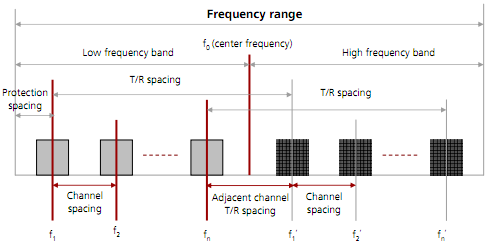
Figure 5. Frequency Range and Channel Configuration for HDMI Modulators
Most HDMI modulators support a broad frequency range from 174 MHz to 1218 MHz, which accommodates multiple channels within complex AV distribution networks. This wide frequency spectrum is useful for managing various broadcasting needs, whether in small setups like residential systems or large-scale installations in hotels and commercial buildings. These advanced features make HDMI modulators highly adaptable, allowing to optimize channel placement and frequency usage to suit different broadcasting requirements.
Support for Multiple Modulation Standards
HDMI modulators are designed to support multiple modulation standards, ensuring compatibility with different broadcasting systems around the world. They commonly support DVB-T and DVB-C, which are widely used in Europe and other international markets. They also support ATSC, the standard used in North America, and ISDB-T, which is popular in Japan and parts of South America. This flexibility allows HDMI modulators to work seamlessly across various geographic regions, making them suitable for global applications.
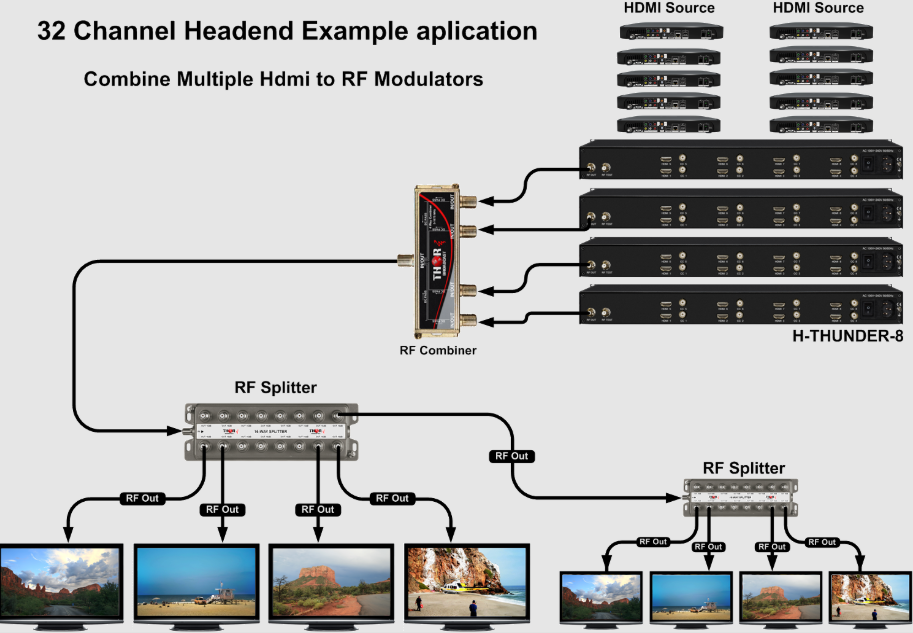
Figure 6. Multi-Channel HDMI Modulator with Multi-Standard Broadcasting Support
By supporting multiple standards, HDMI modulators can adapt to different technical environments and broadcasting requirements. This ensures consistent and high-quality content delivery regardless of regional broadcasting frameworks. Whether used in homes, hotels, or commercial settings, this multi-standard capability enhances the versatility and reliability of HDMI modulators, making them a smart choice for diverse audiovisual systems.
Enhanced Usability and Integration Features
HDMI modulators come with user-friendly features that simplify setup and integration into existing AV systems. One key feature is RF Input Bypass, which allows HDMI signals to be combined with existing cable or terrestrial signals on the same network. This is useful in mixed-media environments where multiple content sources need to coexist without causing interference. It ensures a smooth and organized viewing experience, making it easier to manage complex AV systems.
Many HDMI modulators also have a compact, rack-mountable design that saves space in media cabinets or server rooms. They come with intuitive interfaces, allowing for quick configuration and easy system adjustments. These design features enhance usability, ensuring that the modulators can be easily integrated into both installations and residential systems. This makes HDMI modulators a practical and versatile solution for a wide range of audiovisual setups.
Functions of HDMI Modulators
Signal Conversion
The main function of HDMI modulators is to convert digital HDMI inputs into analog RF outputs. This process enables high-definition video and multi-channel audio from devices like Blu-ray players, streaming boxes, and satellite receivers to be transmitted over coaxial cables. During this conversion, the HDMI signal, which carries high-resolution video and rich audio, is modulated into an RF signal compatible with standard TV tuners. This allows the content to be displayed on multiple TVs without needing separate HDMI connections for each one. It is useful in places with existing coaxial infrastructure, such as hotels and hospitals, where rewiring with HDMI cables would be costly and impractical. The use of RF signals also ensures reliable transmission over long distances, as coaxial cables are less prone to interference compared to HDMI cables. This makes HDMI modulators a practical choice for large properties maintaining signal quality.
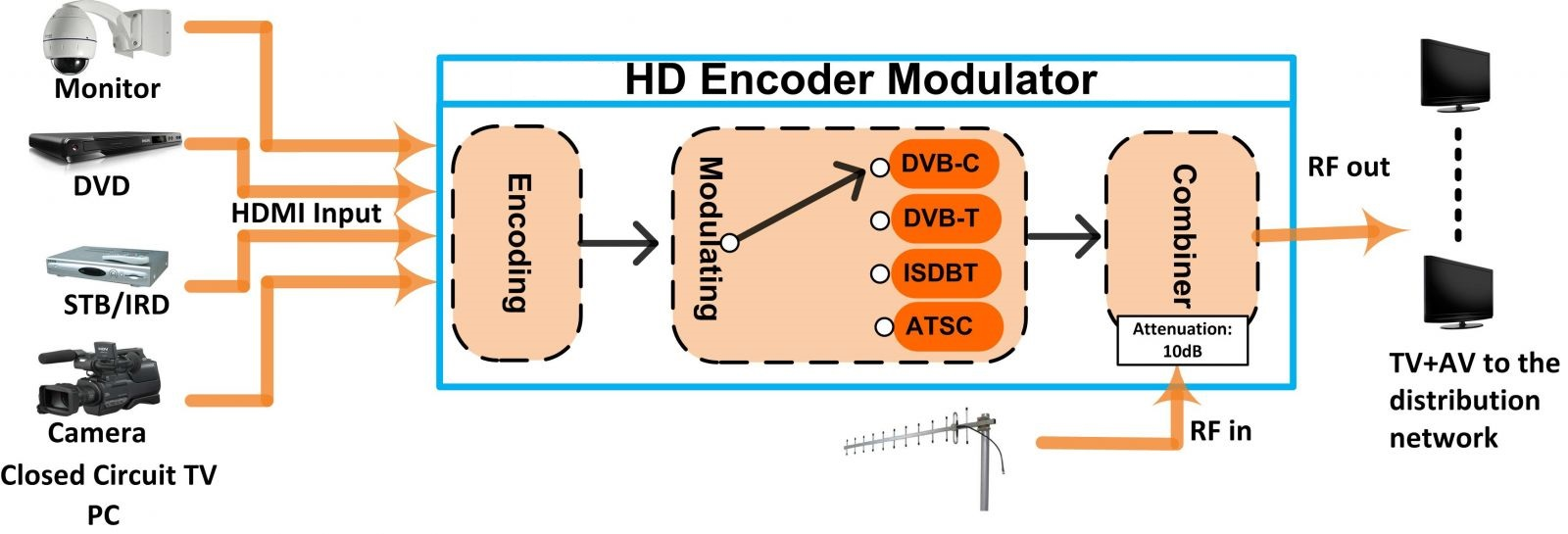
Figure 7. HDMI Signal Conversion and Modulation Process
Content Distribution
HDMI modulators are highly effective for centralized content distribution, allowing a single HDMI source to broadcast to multiple screens with consistent and synchronized playback. This makes them ideal for environments where the same high-quality content needs to be displayed on several monitors simultaneously. In sports bars and restaurants, HDMI modulators can show live events across multiple TVs without any delay. In retail spaces and malls, they enable the broadcasting of promotional videos and digital signage to various screens, enhancing engagement. Educational institutions can also benefit by distributing learning materials and presentations across classrooms or lecture halls from one central source.
By using coaxial networks for high-definition content distribution, HDMI modulators eliminate the need for individual HDMI cables to each screen. This not only simplifies installation but also reduces costs, making them a practical solution for both small and large-scale setups. The centralized distribution approach allows to easily control and manage content from one location, ensuring consistent messaging and efficient updates. This is useful in dynamic environments where content needs to be changed frequently, such as in retail promotions or educational presentations. The flexibility and efficiency of HDMI modulators make them a preferred choice for content distribution across various industries.
Compatibility Bridging
HDMI modulators effectively bridge the gap between modern HDMI devices and older TVs that only have RF inputs. This is useful in places where upgrading all displays to HDMI-compatible models would be too costly. By converting HDMI signals into RF, these modulators allow older TVs to receive digital content without needing extra adapters or converters. This makes it easy to modernize AV systems while continuing to use existing hardware, saving both time and money.
In addition to extending the life of older equipment, HDMI modulators support multiple broadcasting standards, including DVB-T and DVB-C (used in Europe and international markets), ATSC (standard in North America), and ISDB-T (common in Japan and parts of South America). This multi-standard compatibility ensures that HDMI modulators can be easily integrated into different regional broadcasting systems, making them highly versatile for global use. This flexibility not only enhances usability but also provides a cost-effective solution for upgrading audiovisual setups in various environments.
Channel Assignment
HDMI modulators enable to assign specific RF channels to different HDMI inputs, organizing content into easily accessible channels. This makes it simple for viewers to switch between programs. In hotels and hospitality venues, you can easily navigate through a range of channels, including live TV and custom content streams, improving their stay. In conference centers and event venues, this feature allows attendees to access multiple presentations or event broadcasts on different channels, ensuring convenient and flexible viewing options.
Moreover, HDMI modulators can combine their outputs with existing broadcast signals, allowing to switch seamlessly between regular TV programming and HDMI-sourced content. This capability makes them highly adaptable to mixed-media environments where diverse content sources need to coexist. By simplifying channel management and enhancing content accessibility, HDMI modulators provide a practical and versatile solution for complex audiovisual setups.
Long-Distance Transmission
HDMI modulators excel at transmitting signals over long distances using coaxial cables. Coaxial cables are designed to carry high-frequency RF signals with minimal signal loss, preserving both video and audio quality even over distances. This makes them ideal for large-scale installations where maintaining high-definition content across multiple screens is important. Unlike traditional HDMI cables, which have distance limitations, coaxial cables allow HDMI modulators to distribute content without degrading signal quality.
This long-distance capability is valuable in large environments such as commercial complexes and office buildings, where content needs to be distributed across multiple floors or wings. Educational campuses can broadcast lectures or events to different classrooms or auditoriums, while stadiums and arenas can deliver live event feeds to numerous displays throughout the venue. By maintaining high-quality transmission without needing extra signal boosters or extenders, HDMI modulators simplify installation and reduce costs, making them a practical choice for expansive AV setups.
Cost-Effective Expansion
HDMI modulators offer a cost-effective way to expand AV distribution networks by using existing coaxial cable infrastructure. This eliminates the need for new wiring, reducing installation costs, especially for large-scale projects where rewiring with HDMI cables would be expensive and labor-intensive. By converting HDMI signals into RF signals that travel over coaxial cables, these modulators allow multiple displays to receive high-quality content without the complexity and cost of running separate HDMI cables to each screen.
The scalable design of HDMI modulators makes it easy to expand systems as needed. New displays can be added without reconfiguring the entire network, allowing businesses to adapt to future growth or changing requirements. This flexibility is useful for retail chains and franchises that need to update digital signage, educational institutions expanding into new classrooms or buildings, and corporate offices evolving their meeting room setups or broadcasting needs. By providing a scalable and cost-efficient solution, HDMI modulators enable AV systems to grow and adapt while leveraging existing infrastructure, ensuring long-term value and operational efficiency.
Operation of HDMI Modulators
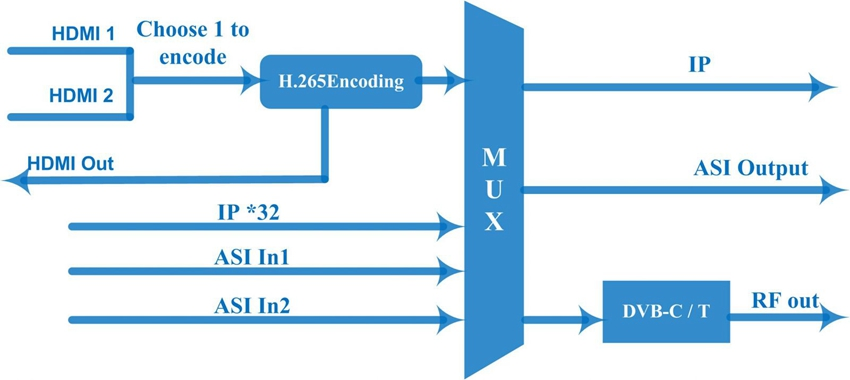
Figure 8. HDMI to RF Modulation and Encoding Process
HDMI modulators convert digital HDMI signals into RF signals that can be sent over traditional coaxial cables. This allows content from devices like Blu-ray players, computers, and streaming boxes to be displayed on multiple TVs, including older models that only accept RF inputs.
The process starts when the HDMI modulator receives a high-definition signal from a connected HDMI source. This could be a streaming device, computer, or any other HDMI-compatible device. The modulator captures the original video and audio quality, supporting resolutions like 720p, 1080p, and even 4K in advanced models. At this stage, the combined video and audio signal is separated into its components, preparing it for the next step: RF modulation. This ensures that the high-definition quality is preserved, providing clear images and immersive sound on connected TVs.
After decoding the HDMI signal, the modulator converts the video and audio into RF signals suitable for transmission over coaxial cables. This is done using modulation techniques like QAM (Quadrature Amplitude Modulation), which is common in cable TV systems, and COFDM (Coded Orthogonal Frequency Division Multiplexing), used in digital terrestrial broadcasting. The video is compressed using H.264, which maintains high image quality while minimizing bandwidth usage. Audio is encoded using formats like MPEG-1 Layer II or AAC, ensuring clear sound. These techniques ensure efficient transmission without losing image or audio quality, even in complex AV systems.
Once modulated, the RF signal is sent through the modulator's coaxial output. Coaxial cables are preferred because they provide excellent shielding and minimal signal loss, ensuring high-quality transmission over long distances. This makes them ideal for large installations like hotels, retail stores, educational campuses, and other venues needing synchronized content across multiple displays. The modulated signal can be easily split and routed to several TVs using coaxial splitters, simplifying the installation process and reducing costs compared to running separate HDMI cables to each screen.
The final step is tuning the TV to the specific RF channel assigned during modulation. You can select channel just like any other broadcast station, seamlessly switching between HDMI-sourced content and regular TV programming. HDMI modulators can assign different channels to multiple HDMI inputs, organizing various content streams for easy access. This is useful in hotels, where guests can navigate through live TV, promotional videos, and event broadcasts, or in corporate settings, where presentations or information feeds can be assigned to different channels. This channel organization enhances the viewing while providing a simple way to manage multiple content sources.
Effective Utilization of an HDMI RF Modulator
HDMI RF modulators convert digital HDMI signals into RF signals, enabling high-definition content distribution over traditional coaxial cable networks. This is useful in settings where rewiring with HDMI cables would be costly or impractical. To maximize performance and ensure smooth integration, follow these detailed steps for installing, connecting, and configuring an HDMI RF modulator.
Installation of the Modulator
Choosing the Location: Start by selecting a suitable location for the HDMI RF modulator. It should be close to both the HDMI source (like a Blu-ray player or streaming device) and the existing coaxial network to minimize cable lengths and reduce potential signal loss. Ideal spots include centralized AV racks or wall mounts in equipment rooms, ensuring easy access for maintenance and adjustments.
Mounting the Device: Secure the modulator using appropriate mounting brackets or hardware. This keeps it stable and accessible while preventing accidental disconnections. Ensure there is adequate ventilation around the device to avoid overheating, which can impact performance and longevity. In larger installations, like hotels or educational facilities, placing the modulator in a well-ventilated AV cabinet or server rack helps maintain optimal operating temperatures.
Connecting the HDMI Source
HDMI Connection: Connect the HDMI output from the source device to the HDMI input on the modulator using a high-quality HDMI cable. Ensure the cable supports the required resolution and bandwidth, whether it’s 1080p Full HD or Ultra HD 4K, to maintain video and audio quality. Using a certified high-speed HDMI cable is recommended for reliable signal transmission.
Verify the Connection: Power on the source device and check the input indicator on the modulator. This confirms the HDMI signal is being received properly. If the input indicator does not light up, double-check the HDMI connections and ensure the source device is set to output the correct resolution. Confirming the signal at this stage helps prevent issues later in the installation process.
Linking to Coaxial Infrastructure
Coaxial Connection: Connect a coaxial cable from the RF output of the modulator to the coaxial network. If distributing the signal to multiple displays, use a high-quality coaxial splitter. This setup allows the modulated RF signal to reach all connected TVs, ensuring consistent content distribution.
Ensure Signal Integrity: Use shielded, high-quality coaxial cables to minimize signal loss and interference. Secure all connections tightly and organize cables to avoid tangling or crossing with power lines, which can cause interference. For larger installations, consider using an RF amplifier to maintain signal strength over long cable runs.
Powering and Configuring the Modulator
Power Setup: Connect the power supply to the modulator and plug it into a reliable power source. Ensure the power supply matches the modulator's voltage and current requirements. Using a surge protector is recommended to safeguard against power spikes that could damage the equipment.
Configuration Settings: To set up an HDMI modulator, access its configuration menu through an on-screen display or web interface. Adjust the Channel Assignment to select an RF channel that avoids interference with existing broadcasts. Choose the appropriate Modulation Type (such as ATSC, DVB-T, or QAM) according to regional broadcasting standards. Finally, set the Video Resolution and Audio Format to match the connected displays' capabilities, ensuring the best possible viewing quality.
Testing and Final Adjustments
Initial Testing: After configuring the modulator, test the setup by tuning the connected TVs to the assigned RF channel. Check for clear video, synchronized audio, and stable playback across all displays. Any flickering, static, or audio lag could indicate a configuration issue or signal interference.
Adjust Settings as Needed: If necessary, fine-tune the modulator settings to enhance video brightness, contrast, or audio levels. Ensure that all TVs receive a consistent, high-quality signal. If issues persist, verify cable connections and check for any sources of interference, such as large electronic devices nearby.
Maintenance and Documentation
Cable Management: Organize and label all HDMI and coaxial cables to maintain a neat installation. Proper cable management not only improves the appearance of the setup but also helps with future maintenance, troubleshooting, or system upgrades. Use cable ties and labels for clear identification.
Consult the Manufacturer’s Manual: For detailed configuration options, advanced settings, and troubleshooting, refer to the manufacturer’s manual. This resource provides model-specific information and best practices for maintaining optimal performance. Keeping the manual accessible simplifies ongoing maintenance and ensures effective utilization of the modulator’s features.
Advantages of HDMI Modulators
• Extended Signal Distribution: HDMI modulators convert HDMI signals into RF, allowing high-definition content to be distributed over existing coaxial cable networks. This enables centralized broadcasting to multiple TVs without needing separate HDMI cables, ensuring consistent video and audio quality across all screens. This approach is ideal for hospitals, sports bars, educational institutions, and other large facilities, simplifying installation and maintenance while reducing clutter.
• Cost Efficiency in Large Installations: Using HDMI modulators is more cost-effective than running individual HDMI cables to each display, especially in large-scale setups. Coaxial cables are cheaper and easier to install over long distances, and modulators eliminate the need for multiple splitters or extenders. This reduces material and labor costs, making them a smart choice for hotels, corporate offices, and retail spaces that require scalable AV distribution.
• Capability for Long-Distance Transmission: HDMI modulators excel at transmitting high-definition signals over long distances with minimal quality loss, leveraging the robust shielding of coaxial cables. This makes them perfect for large commercial complexes, educational campuses, and stadiums, where content needs to be distributed across vast areas. Unlike HDMI cables, which require boosters for long runs, coaxial cables maintain consistent quality over long distances.
• Flexible Channel Assignment: HDMI modulators allow to assign specific RF channels to different HDMI inputs, organizing content into easily accessible channels. This provides a familiar channel-surfing, enhancing convenience in hotels, healthcare facilities, and event venues. It also allows for seamless integration with existing broadcast systems, maintaining consistent channel lineups.
• Broad Compatibility: HDMI modulators bridge the gap between modern HDMI devices and older TVs that only have RF inputs, enabling legacy televisions to receive digital content without additional adapters. This extends the life of older equipment and provides a cost-effective way to modernize AV systems. Supporting multiple modulation standards like ATSC, DVB-T, and QAM, they ensure compatibility across different regions and broadcasting requirements.
Disadvantages of HDMI Modulators
• Potential for Quality Loss: HDMI modulators compress signals to convert HDMI into RF format, which can reduce video sharpness and audio clarity compared to direct HDMI connections. This quality loss may be noticeable in high-end home theaters or digital signage displays with ultra-high-definition visuals. Anyone needing premium content quality should consider this trade-off.
• Complex Setup Requirements: Setting up HDMI modulators can be complicated, especially in large or multi-source systems. It involves careful channel frequency allocation to avoid interference, configuring modulation settings to match display and regional standards, and ensuring compatibility with existing AV equipment. This complexity may require professional installation and maintenance, adding to overall costs.
• Latency Issues: HDMI modulators can introduce slight delays due to the modulation and compression process. While generally unnoticeable for regular viewing, this latency can be problematic for competitive gaming, or live video conferencing, where timing and synchronization are needed. Immediate signal processing should consider this limitation.
• Feature Limitations: HDMI modulators usually lack support for advanced HDMI features such as ARC (Audio Return Channel) for sending audio back to an AV receiver, CEC (Consumer Electronics Control) for unified remote control, and HDR (High Dynamic Range) for enhanced color and contrast. This may limit functionality seeking advanced home theater or smart TV capabilities compared to direct HDMI connections.
Applications of HDMI Modulators
Hotels and Hospitality
HDMI modulators are widely used in the hospitality industry to distribute high-definition content to guest rooms and public areas. By converting HDMI signals from a central media source into RF signals, hotels can broadcast video and audio to multiple TVs without needing separate set-top boxes in each room. This centralized approach simplifies content management and reduces hardware costs, making it easier to provide seamless entertainment. Additionally, hotels can create custom channel lineups, broadcast promotional videos, and offer on-demand content, enhancing guest satisfaction and enabling targeted advertising opportunities.
Retail and Public Spaces
In retail environments, airports, stadiums, and shopping malls, HDMI modulators are used to broadcast digital signage and promotional content across multiple displays. This centralized broadcasting ensures consistent messaging and branding, for effective communication and advertising. Content updates can be managed from a single point, allowing quick changes to promotional videos or information, maximizing engagement and sales. In public venues like airports, HDMI modulators distribute flight information, schedules, and emergency alerts, ensuring clear communication with visitors.
Home Entertainment Systems
HDMI modulators are increasingly popular in residential setups for distributing video content from devices like satellite receivers, streaming boxes, or gaming consoles to multiple TVs throughout the house. This multi-room setup allows family members to watch the same content in different rooms without needing separate devices or tangled cables, providing a more organized and flexible entertainment experience. Additionally, HDMI modulators integrate seamlessly with existing home coaxial systems, eliminating the need for multiple cable boxes and enabling easy switching between streaming devices and traditional TV channels.
Educational and Healthcare Facilities
Educational institutions use HDMI modulators to distribute lectures, seminars, and campus broadcasts across classrooms and common areas. This centralized system supports remote viewing for overflow rooms and delivers consistent educational content. In healthcare settings, HDMI modulators provide patient entertainment and informational content across multiple rooms, improving patient satisfaction and streamlining communication. Hospitals can broadcast health education videos, facility updates, or emergency alerts, ensuring consistent and reliable content delivery throughout the facility.
Event Venues and Security Monitoring
HDMI modulators are important for live event broadcasting in sports arenas, concert halls, and conference centers. They distribute live video feeds to multiple screens, ensuring synchronized viewing. In security applications, HDMI modulators convert video outputs from security cameras into RF signals for centralized monitoring on multiple displays. This setup enhances situational awareness and is widely used in commercial buildings, residential communities, and public spaces, ensuring reliable and high-quality surveillance coverage.
Conclusion
HDMI modulators are really useful for sending high-quality video and audio to different screens using the coaxial cables already in place. By learning how these devices work and what they can do, you can make the most of them to share content easily, cut down on complicated setups, and keep viewers happy. Whether it's for business, school, or home use, HDMI modulators offer a simple and cost-effective way to manage and distribute content effectively.
About us
ALLELCO LIMITED
Read more
Quick inquiry
Please send an inquiry, we will respond immediately.
Frequently Asked Questions [FAQ]
1. Do HDMI modulators support 4K resolution?
Yes, some HDMI modulators do support 4K resolution. However, the availability of 4K support depends on the specific model of the HDMI modulator. It’s important to check the specifications of the modulator to confirm if it supports 4K resolution.
2. What is the maximum distance an HDMI modulator can transmit signals?
The maximum distance an HDMI modulator can transmit signals varies depending on the model and setup. Typically, HDMI signals can be reliably transmitted over distances up to 50 feet (about 15 meters) without any enhancers. For longer distances, using HDMI extenders or converting the signal to another format like coaxial may be needed.
3. Can I connect multiple source devices to one HDMI modulator?
Generally, one HDMI modulator is designed to take a single source input. To connect multiple source devices to one HDMI modulator, you would need an HDMI switch or splitter in front of the modulator to select between the sources.
4. What differentiates an HDMI modulator from an HDMI splitter or switch?
An HDMI modulator converts HDMI signals into a type of signal that can be distributed over a coaxial cable or other transmission forms, allowing you to integrate HDMI sources into RF (radio frequency) setups. In contrast, an HDMI splitter divides the signal from one source to multiple outputs, and an HDMI switch selects between multiple sources to send to one display. The modulator is for converting and distributing signals, while splitters and switches are for directing existing HDMI signals.
5. Are bi-directional communications supported by HDMI modulators?
HDMI modulators typically do not support bi-directional communications. They are designed for one-way signal conversion and transmission from an HDMI source to a different format over a distribution network. Bi-directional features are not needed or included in standard HDMI modulators.
XCV800-4BG560C FPGA: Advanced Features, Applications, and High-Performance Architecture Explained
on February 25th
PCM vs. Dolby Digital: The Ultimate Guide to High-Fidelity and Surround Sound Audio Technologies
on February 24th
Popular Posts
-

Complex Instruction Set Computers: How They Changed Computing?
on April 18th 147749
-

USB-C Pinout and Features
on April 18th 111909
-
Using Xilinx Unified Simulation Primitives: A Comprehensive Guide to FPGA Design and Simulation
on April 18th 111349
-

Power Supply Voltages in Electronics: Meaning of VCC, VDD, VEE, VSS, and GND
on April 18th 83714
-

RJ45 Connector Guide: Pinout, Wiring, Cable Types, and Uses
on January 1th 79502
-

The Ultimate Guide to Wire Color Codes in Modern Electrical Systems
The way our electrical systems use colors isn’t just for looks. Each wire color now indicates a specific function, making it easier to identify and handle electrical components correctly during ins...on January 1th 66871
-

Quality (Q) Factor: Equations and Applications
The quality factor, or 'Q', is important when checking how well inductors and resonators work in electronic systems that use radio frequencies (RF). 'Q' measures how well a circuit minimizes energy...on January 1th 63005
-
Purge Valve Guide: Function, Symptoms, Testing, and Replacement for Optimal Engine Performance
The purge valve is a key part of a car’s system that helps keep the air clean by managing fuel vapors before they can escape into the atmosphere. This not only helps the environment by reducing pol...on January 1th 62947
-

Achieving Peak Performance with the Maximum Power Transfer Theorem
The Maximum Power Transfer Theorem explains how energy from a source, such as a battery or generator, flows to a connected load. It shows the exact condition where the load receives the most power....on January 1th 54077
-

A23 Battery Specifications and Compatibility
The A23 battery is a small, cylinder-shaped battery with high voltage. Also called 23A, 23AE, or MN21, it runs at 12 volts and much higher than AA or AAA batteries. Its special design make...on January 1th 52089
HOT Part Number
-

BD9B100MUV-E2
Rohm Semiconductor
IC REG BUCK ADJ 1A 16VQFN
UPD70F3539AF5A9-PN7-Q-A
Renesas Electronics America Inc
IC MICROCONTROLLER
18081A621JAT2A
KYOCERA AVX
CAP CER 620PF 100V NP0 1808
FDN340P
onsemi
MOSFET P-CH 20V 2A SUPERSOT3
70231-101
Amphenol ICC (FCI)
CONN RCPT BLADE PWR 8POS EDGE MT
MPSW42RLRAG
onsemi
TRANS NPN 300V 0.5A TO92
MC7824BT
onsemi
IC REG LINEAR 24V 1A TO220AB
AD8009ARZ-REEL
Analog Devices Inc.
IC OPAMP CFA 1 CIRCUIT 8SOIC
LT1815CS5#TRPBF
Analog Devices Inc.
IC OPAMP VFB 1 CIRCUIT TSOT23-5
DG411DYZ
Renesas Electronics America Inc
IC SWITCH SPST-NCX4 35OHM 16SOIC
VFT2060C-M3/4W
Vishay General Semiconductor - Diodes Division
DIODE SCHOTTKY 20A 60V ITO-220AB
TSX562AIYST
STMicroelectronics
IC CMOS 2 CIRCUIT 8MINISO
MR256D08BMA45
Everspin Technologies Inc.
IC RAM 256KBIT PARALLEL 48FBGA
VSC3312YYP-01
Microchip Technology
IC SWITCH 16X16 6.5GBPS 196FCBGA
XC68HC908GP20CFB
Motorola
TSG 8BIT20K FLASH
CSR8811A08-ICXR-R
Qualcomm
IC RF TXRX+MCU BLUETOOTH
MPSW05
onsemi
TRANS NPN 60V 0.5A TO92
1N4055R
Solid State Inc.
DIODE GEN PURP REV 900V 275A DO9 -

ASX342ATSC00XPED0-DP
onsemi
IMAGE SENSOR VGA 1/4 CIS SOC
0433.125NR
Littelfuse Inc.
FUSE BOARD MNT 125MA 125VAC/VDC
1SMA5941BT3G
onsemi
DIODE ZENER 47V 1.5W SMA
DCP010512BP-U/700
Texas Instruments
DC DC CONVERTER 12V 1W
1-1734344-1
TE Connectivity AMP Connectors
CONN D-SUB HD RCPT 15P R/A SLDR
KSD1621STF
onsemi
TRANS NPN 25V 2A SOT89-3
BQ24161RGET
Texas Instruments
IC BATT CHG LI-ION 1CELL 24VQFN
BTA26-600BW
STMicroelectronics
TRIAC ALTERNISTOR 600V 25A TOP3
NCP1239DD65R2G
onsemi
IC OFFLINE SWITCH FLYBACK 7SOIC
TMS320TCI6482BZTZA
Texas Instruments
TMS320 - DIGITAL SIGNAL PROCESSO
BQ20Z90DBTR-V150
Texas Instruments
IC GAS GAUGE LI-ION 30TSSOP
PCMB104T-1R0MT
Susumu
FIXED IND 1UH 18A 3.3 MOHM SMD
CY29942AXCT
Infineon Technologies
IC CLK BUFFER 1:18 200MHZ 32TQFP
CC0402KRX7R9BB561
YAGEO
CAP CER 560PF 50V X7R 0402
STPS20M60SG-TR
STMicroelectronics
DIODE SCHOTTKY 60V 20A D2PAK
AT25010N-10SC-2.7
Microchip Technology
IC EEPROM 1KBIT SPI 3MHZ 8SOIC
04023A1R0CAT4A
KYOCERA AVX
CAP CER 1PF 25V C0G/NP0 0402
ISL6327IRZ
Intersil
SWITCHING CONTROLLER, VOLTAGE-MO -

LQW18AN75NG0ZD
Murata Electronics
FIXED IND
DFA100BA160
SanRex Corporation
DIODE MODULE 1600V 100A
BAR46AFILM
STMicroelectronics
DIODE ARRAY SCHOTTKY 100V SOT23
MAX825SEUK
Analog Devices Inc./Maxim Integrated
IC SUPERVISOR MPU
MMST2222A-7-F
Diodes Incorporated
TRANS NPN 40V 0.6A SOT323
FODM8801AR2
onsemi
OPTOISO 3.75KV TRANS 4-MINI-FLAT
FJV1845FMTF
Fairchild Semiconductor
SMALL SIGNAL BIPOLAR TRANSISTOR,
EVK105RH5R1JW-F
Taiyo Yuden
CAP CER 5.1PF 16V R2H 0402
6651170-3
TE Connectivity AMP Connectors
CONN EDGE DUAL FMALE 4POS 0.508
KSZ8893FQLI-FX
Microchip Technology
IC SWITCH ETH 3PORT 128QFP
170M6340
Eaton - Bussmann Electrical Division
FUSE SQUARE 400A 1.3KVAC RECT
BCM20741A2KFB1G
Broadcom Limited
SINGLE-CHIP BLUETOOTH
MAX3443EASA+
Analog Devices Inc./Maxim Integrated
IC TRANSCEIVER HALF 1/1 8SOIC
GRM0335C1H9R3DA01D
Murata Electronics
CAP CER 9.3PF 50V C0G/NP0 0201
TNY175PN
Power Integrations
11.5 W (85-265 VAC) 15 W (230 VA
742700726
Würth Elektronik
FERRITE CORE 278 OHM SOLID 4MM
DM74S20N
onsemi
IC GATE NAND 2CH 4-INP 14DIP
P4SMA56CA-E3/61
Vishay General Semiconductor - Diodes Division
TVS DIODE 47.8VWM 77VC DO214AC