How the Coolant Temperature Sensor Helps Prevent Engine Overheating
The coolant temperature sensor is a small but important part of your car's engine. It monitors the temperature of the coolant and sends this data to the Engine Control Unit (ECU), helping the engine run smoothly and efficiently. If this sensor stops working properly, it can cause issues like overheating, poor fuel economy, and rough engine performance. The ECU relies on this sensor to adjust fuel injection, ignition timing, and cooling fan operation. A failing sensor can trigger warning lights and affect your car's overall performance. Knowing how this sensor works, the signs of a bad one, and how to replace it can help you avoid bigger engine problems. This guide covers everything you need to know about the coolant temperature sensor and how to keep it in good condition.Catalog

Figure 1. Engine Coolant Temperature Sensor
How the Coolant Temperature Sensor Works
The coolant temperature sensor plays a key role in keeping your engine running smoothly. It constantly monitors the temperature of the engine coolant and sends this information to the Engine Control Unit (ECU) or Electronic Control Module (ECM). With this data, the ECU can adjust different engine functions, like fuel injection and ignition timing, to maintain the best possible performance and efficiency.
At its core, the sensor contains a thermistor, a special type of resistor that reacts to temperature changes. As the coolant temperature rises, the thermistor's resistance decreases, and when the coolant cools down, the resistance increases. This change in resistance alters the sensor's output voltage, which the ECU interprets to determine the engine's temperature.
You'll typically find the coolant temperature sensor installed in a location where it can accurately read the coolant's temperature. Most vehicles have it placed near the coolant passage, such as on the cylinder head or along the coolant pipes. It's securely connected to the car's electrical system, allowing it to communicate with the ECU.

Figure 2. Coolant Temperature Sensor Circuit
The sensor operates as part of an electrical circuit that links it to the ECU. This circuit allows the sensor to send real-time temperature data, helping the ECU make adjustments as needed. The sensor is powered by a reference voltage supplied by the ECU. As the coolant temperature changes, the sensor’s resistance modifies the voltage signal, which is then analyzed by the ECU.
If there is any break or malfunction in this circuit—such as damaged wiring, poor connections, or corrosion—it can lead to incorrect temperature readings. This may cause issues like improper fuel mixture, rough idling, or overheating. That's why keeping this circuit in good condition is just as important as maintaining the sensor itself.
Key Functions of the Coolant Temperature Sensor
The coolant temperature sensor is a small but important component in your engine's cooling system. It has a slender tip that sits directly in the engine coolant, allowing it to accurately measure temperature changes. Inside this sensor is a special type of resistor called a negative temperature coefficient (NTC) thermistor. This means that as the coolant temperature rises, the resistance inside the sensor decreases. When the coolant cools down, the resistance increases again.
This change in resistance affects the sensor's output voltage, which is then sent to the Engine Control Unit (ECU). The ECU continuously monitors this data and uses it to make real-time adjustments to key engine functions. One of its most important tasks is controlling fuel injection timing—determining how much fuel the engine needs at any given moment. If the engine is cold, the ECU will increase fuel injection to help the engine warm up faster. Once the engine reaches an optimal temperature, the ECU adjusts fuel delivery to improve efficiency.
The sensor also plays a role in ignition timing, ensuring that the engine fires at the right moment for smooth performance. If the coolant temperature gets too high, the ECU may adjust the ignition timing to help reduce heat and prevent overheating. In short, this small sensor helps keep your engine running efficiently, whether you're starting up on a cold morning or cruising on a hot day.
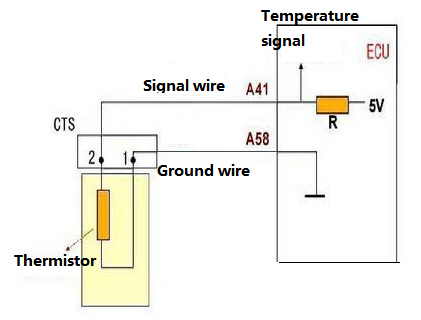
Figure 3. Working Principle of the Engine Coolant Temperature Sensor
Signs of a Faulty Coolant Temperature Sensor
When your coolant temperature sensor starts to fail, it can cause a variety of problems that affect engine performance, fuel efficiency, and overall drivability. Since this sensor plays a key role in monitoring engine temperature and sending data to the ECU, any malfunction can lead to incorrect adjustments in fuel injection, ignition timing, or cooling system operations. Here are the most common warning signs to look out for:
Inaccurate or Non-Functional Temperature Gauge
One of the first signs of a bad coolant temperature sensor is an incorrect reading on your dashboard temperature gauge. You might notice that the gauge stays at cold even after the engine has been running for a while, or it may fluctuate unpredictably. In some cases, the gauge might not work at all. This issue can lead to engine overheating because the cooling system won’t activate properly when needed.
Poor Fuel Injection and Increased Fuel Consumption
Since the coolant temperature sensor helps the ECU determine the correct amount of fuel the engine needs, a faulty sensor can cause incorrect fuel delivery. If the ECU receives false readings that the engine is colder than it actually is, it may inject more fuel than necessary, leading to excessive fuel consumption. On the other hand, if the sensor incorrectly signals that the engine is hot, the ECU may reduce fuel injection, making the engine run lean, which can cause performance issues and even engine damage over time.
Engine Shaking, Rough Idling, or Black Smoke
A malfunctioning coolant temperature sensor can throw off the engine’s idle speed calculations. This might cause the engine to shake when idling, run too high or too low, or even stall unexpectedly. If the sensor sends faulty signals that lead to excessive fuel injection, you might also see black smoke coming from the exhaust. This is a sign that the engine is burning too much fuel, which can harm the catalytic converter and reduce overall fuel efficiency.
Reduced Engine Power and Performance Issues
If your coolant temperature sensor is not working correctly, the ECU may struggle to adjust ignition timing and fuel delivery accurately. As a result, you might experience sluggish acceleration, difficulty maintaining speed, or an overall drop in engine power. These performance issues can make your car feel unresponsive or weak, especially when trying to accelerate quickly or climb hills.
Cooling Fan Issues – Running Constantly or Not at All
The cooling fan relies on temperature data from the coolant sensor to know when to turn on and off. If the sensor sends incorrect readings, the fan might not activate when needed, leading to engine overheating. In some cases, the fan may run continuously, even when the engine is cold. This can cause unnecessary wear on the fan and drain the battery over time.
Check Engine Light Illuminated
A faulty coolant temperature sensor will often trigger the Check Engine Light (CEL) on your dashboard. Modern vehicles are equipped with onboard diagnostics that monitor sensor performance. If the ECU detects an issue with the coolant temperature sensor, it will store an error code and illuminate the check engine light. A diagnostic scan tool can help identify the exact problem by reading trouble codes related to the sensor.
Potential Engine Damage if Left Unchecked
Ignoring a faulty coolant temperature sensor for too long can lead to serious engine problems. Overheating is one of the most dangerous risks, as it can cause blown head gaskets, cracked engine blocks, or even total engine failure. If you notice any of the warning signs mentioned above, it's important to address the issue promptly by diagnosing and replacing the sensor if necessary.
If you're experiencing any of these signs, it's best to have your vehicle checked by a professional mechanic. A simple sensor replacement can save you from costly repairs and keep your engine running efficiently.
Common Causes of Sensor Failure
The coolant temperature sensor is built to withstand tough conditions, but like any other car component, it can wear out or malfunction over time. Several factors can contribute to its failure, leading to inaccurate temperature readings and engine performance issues. Here are some of the most common reasons why a coolant temperature sensor may stop working properly:
Natural Wear and Tear
Just like other parts of your vehicle, the coolant temperature sensor doesn't last forever. After years of exposure to high temperatures and continuous operation, the internal components of the sensor can deteriorate. This gradual wear can cause the sensor to provide inaccurate readings or stop working altogether.
Electrical Connection Issues
The sensor relies on an electrical connection to communicate with the Engine Control Unit (ECU). If the wiring becomes loose, corroded, or damaged, it can interfere with the sensor's ability to send accurate temperature readings. Corrosion at the connector points is a common problem, especially in older vehicles, and can cause erratic sensor behavior.
Contaminated Coolant
The quality of the coolant in your system plays a big role in sensor performance. If your coolant contains dirt, rust, or other contaminants, these particles can build up on the sensor and cause it to fail. Poor-quality coolant or a lack of regular coolant flushes can lead to these contaminants circulating in the system and damaging components, including the temperature sensor.
Extreme Temperature Exposure
The coolant temperature sensor operates in a high-heat environment, and while it's designed to handle extreme conditions, prolonged exposure to excessive heat can degrade its performance. Rapid temperature fluctuations—such as frequent engine overheating or sudden cooling—can also put stress on the sensor, leading to premature failure.
Coolant or Fluid Leaks
Leaks in the cooling system, whether from a damaged hose, water pump, or radiator, can expose the sensor to unwanted moisture or coolant contamination. In some cases, leaks allow coolant to seep into the sensor itself, causing internal damage and leading to inaccurate temperature readings. If a leak reaches the sensor's electrical connections, it can also cause short circuits or signal interruptions.
Sensor Defects or Poor-Quality Parts
Although less common, some coolant temperature sensors may fail due to manufacturing defects or poor-quality materials. Lower-grade aftermarket sensors may not last as long as high-quality ones, leading to premature failure. When replacing a sensor, it's always a good idea to choose a reliable, well-reviewed brand to ensure long-lasting performance.
Engine-Related Issues Affecting the Sensor
Sometimes, the problem isn't with the sensor itself but with other engine components that affect its performance. For example, a failing thermostat or a clogged radiator can cause inconsistent coolant flow, leading the sensor to read incorrect temperatures. Regular engine maintenance can help prevent these issues and extend the life of the sensor.
Keeping your coolant temperature sensor in good condition starts with regular vehicle maintenance. Checking your coolant quality, inspecting for leaks, and ensuring clean electrical connections can all help prevent sensor failure and avoid unnecessary engine problems. If you suspect your sensor is failing, addressing the issue early can save you from bigger repairs down the road.
How to Reset and Replace a Faulty Coolant Temperature Sensor
If your coolant temperature sensor is faulty, you may need to reset or replace it to restore proper engine function. While the sensor itself doesn't usually require a manual reset, clearing error codes and replacing the sensor when necessary can help prevent further engine issues.
In most cases, the coolant temperature sensor will reset automatically once the issue causing the malfunction is fixed. However, if the Check Engine Light (CEL) remains on even after resolving the problem, you may need to manually reset the Engine Control Unit (ECU) to clear any stored error codes.
Steps to Reset the ECU
In most cases, the coolant temperature sensor will reset automatically once the issue causing the malfunction is fixed. However, if the Check Engine Light (CEL) remains on even after resolving the problem, you may need to manually reset the Engine Control Unit (ECU) to clear any stored error codes.
Locate the vehicle's battery
Open the hood (or trunk in some vehicles) and identify the battery. Make sure you have the proper tools for disconnecting the terminals.
Disconnect the negative battery terminal
Using a wrench or socket, loosen and remove the negative (-) terminal. This is usually marked with a black cable or a minus symbol (-).
Wait for 5-10 minutes
Leaving the battery disconnected allows the ECU to discharge any stored power and reset its internal memory.
Reconnect the negative terminal
Securely reattach the battery terminal and tighten it in place.
Start the engine
Turn on the ignition and check if the Check Engine Light has turned off. If the warning light persists, a further diagnosis may be needed.
This process resets the ECU but does not fix the sensor itself. If the issue remains, replacing the sensor may be necessary.
Steps to Replace the Coolant Temperature Sensor
If resetting doesn't resolve the issue or if the sensor is confirmed to be faulty, replacing the sensor is the next step. Follow these steps to safely remove and install a new coolant temperature sensor.
Tools and Materials Needed:
• Wrench or socket set
• Coolant (if needed for a top-up)
• New coolant temperature sensor
• Rags or paper towels
• Safety gloves and goggles
Step 1: Locate the sensor
The coolant temperature sensor is usually found near the engine block, cylinder head, or thermostat housing. Check your vehicle’s manual or an online guide for the exact location.
Step 2: Disconnect the electrical connector
Carefully remove the sensor's wiring connector. This may require pressing a clip or releasing a tab.
Step 3: Remove the faulty sensor
Using a wrench or socket, unscrew the sensor from its mounting position. Be careful not to damage surrounding components or spill coolant.
Step 4: Install the new sensor
Thread the new sensor into place by hand first to avoid cross-threading. Then use a wrench or socket to securely tighten it, but avoid overtightening.
Step 5: Reconnect the electrical connector
Snap the connector back onto the new sensor, ensuring it clicks into place for a secure fit.
Step 6: Check coolant levels
If any coolant was lost during the replacement, top it off to the correct level.
Step 7: Test the new sensor
Start the engine and monitor the temperature gauge or warning light to ensure the sensor is working properly. A diagnostic scan can confirm that no error codes remain.
By following these steps, you can ensure that your coolant temperature sensor is properly reset or replaced, helping your engine maintain the correct temperature and operate efficiently. If you continue to experience issues, it's best to consult a professional mechanic for further diagnosis.
Preventive Maintenance Tips for Long-Lasting Performance
Taking care of your coolant temperature sensor and the entire cooling system helps keep your engine running smoothly and prevents unexpected issues. While the sensor is built to last, certain factors like poor coolant quality, electrical problems, and overheating can cause it to fail sooner. Regular maintenance not only ensures the sensor functions properly but also helps you avoid costly repairs down the road.
One of the simplest things you can do is check your coolant levels regularly. Since the sensor is constantly in contact with the coolant, having low coolant levels can lead to overheating and incorrect temperature readings. It's a good habit to check the coolant reservoir at least once a month and always before long trips. If the level is low, top it off with the correct type of coolant specified in your vehicle’s manual. Avoid mixing different coolant types unless your manufacturer recommends it, as this can cause chemical imbalances that may damage the sensor and other engine components.
Over time, dirt, rust, and debris can accumulate in the cooling system, affecting the sensor's ability to provide accurate readings. Old, contaminated coolant can also corrode the sensor and other parts of the system. To prevent this, make sure to flush and replace the coolant as recommended in your owner’s manual. Most vehicles require a coolant flush every 30,000 to 50,000 miles or every 2 to 5 years, depending on the driving conditions. If your coolant looks dirty, cloudy, or has a burnt smell, it's a sign that it needs to be changed sooner.
Regularly inspecting the sensor's wiring and connectors can also prevent unexpected failures. Corrosion, loose connections, or frayed wires can interfere with the sensor's signal, leading to inaccurate readings or even a complete failure. A quick visual check during routine maintenance can help you catch potential issues early. If you ever notice cracked or brittle wires, it’s best to replace them before they cause trouble.
Keeping an eye out for leaks in the cooling system is another important step. A leaking radiator, hose, or water pump can allow coolant to escape and expose the sensor to air, leading to false temperature readings. In some cases, coolant leaks can even reach the sensor itself, causing it to malfunction. If you spot any coolant puddles under your car or notice a sudden drop in coolant levels, it's best to get the issue checked immediately.
Driving habits also play a role in the longevity of your coolant temperature sensor. Frequent overheating due to aggressive driving, towing heavy loads, or ignoring cooling system issues can put extra stress on the sensor. If your engine temperature gauge frequently climbs higher than normal, addressing the underlying cause can help protect both the sensor and the engine.
How the Coolant Temperature Sensor Affects Overall Engine Performance
The coolant temperature sensor might seem like a small part, but it plays a big role in how your engine performs every time you start your car. Since it constantly monitors the engine's temperature and sends that data to the Engine Control Unit (ECU), it directly influences fuel efficiency, power output, and even emissions. If the sensor isn’t working properly, it can throw off these critical functions, leading to noticeable performance issues.
One of the biggest ways the sensor affects engine performance is through fuel injection control. When your engine is cold, it needs a richer fuel mixture to start and run smoothly. The coolant temperature sensor tells the ECU when the engine is still warming up, prompting it to inject more fuel to compensate. As the engine reaches its optimal temperature, the sensor signals the ECU to adjust the fuel mixture, ensuring efficient combustion. If the sensor is faulty and sends incorrect readings—such as telling the ECU that the engine is cold when it’s actually warm—it can cause the engine to run too rich (burning more fuel than necessary), leading to higher fuel consumption and black smoke from the exhaust. On the other hand, if the sensor falsely signals that the engine is hot when it's actually cold, the ECU may inject too little fuel, causing rough idling, hesitation, or difficulty starting in colder temperatures.
Another key area where the coolant temperature sensor makes a difference is ignition timing. The timing of the spark plug firing needs to be adjusted based on the engine's temperature for smooth and efficient performance. When the engine is cold, the spark timing is advanced slightly to help warm things up faster. Once the engine is at the proper temperature, the ECU adjusts the timing to maintain efficiency. A malfunctioning sensor can disrupt this process, leading to engine knocking, misfires, or sluggish acceleration because the timing is no longer in sync with real engine conditions.
The sensor also plays a major role in controlling the cooling system, particularly the radiator fan operation. If the ECU doesn't receive accurate temperature data, it may turn the fan on too soon, making the engine take longer to reach optimal temperature, which can reduce fuel efficiency. In other cases, a faulty sensor might prevent the fan from turning on, causing the engine to overheat. Overheating is one of the most serious risks, as it can lead to engine damage, including blown head gaskets or a cracked engine block if left unchecked.
Your car’s emissions system is also impacted by the coolant temperature sensor. When the engine is running too rich due to incorrect temperature readings, it produces higher emissions and increases carbon buildup in the exhaust system. This can eventually damage the catalytic converter, which is expensive to replace. Additionally, if the sensor fails to signal when the engine is warm, your car may stay in an extended "warm-up" mode, continuously burning excess fuel and producing unnecessary emissions.
Conclusion
Your coolant temperature sensor may be small, but it plays a big role in keeping your engine running smoothly. From adjusting fuel injection and ignition timing to controlling the cooling system, it helps your car maintain the right temperature for the best performance. Keeping an eye out for warning signs and following simple maintenance steps can help prevent issues before they turn into costly repairs. If you ever notice problems like overheating, poor fuel efficiency, or a rough idle, checking the coolant temperature sensor could save you time and money while keeping your car in great shape.
About us
ALLELCO LIMITED
Read more
Quick inquiry
Please send an inquiry, we will respond immediately.
Frequently Asked Questions [FAQ]
1. Is it okay to drive without a coolant temperature sensor?
No, driving without a coolant temperature sensor is not recommended. The sensor helps the engine control unit (ECU) monitor the engine’s temperature and make necessary adjustments. Without it, the ECU won’t be able to regulate fuel injection, ignition timing, or cooling properly, which can lead to overheating, poor fuel economy, and possible engine damage.
2. Can I drive with a bad coolant temperature sensor?
It’s not a good idea to drive with a faulty coolant temperature sensor. A bad sensor can send incorrect readings to the ECU, which may cause overheating, rough idling, poor fuel efficiency, and engine performance issues. In some cases, it may also trigger the check engine light. Replacing a failing sensor as soon as possible can help prevent bigger engine problems.
3. How often should a coolant temperature sensor be replaced?
There’s no set time for replacing a coolant temperature sensor since it’s designed to last a long time. However, like any part, it can wear out over time due to heat, contamination, or electrical issues. If you notice signs of a faulty sensor, such as overheating or poor fuel efficiency, it’s best to have it checked and replaced if needed.
Everything You Need to Know About BCM5461SA1IPFG Ethernet Transceiver
on February 19th
Understanding MPC8245LZU300D A Complete Guide
on February 17th
Popular Posts
-

Complex Instruction Set Computers: How They Changed Computing?
on April 18th 147749
-

USB-C Pinout and Features
on April 18th 111919
-
Using Xilinx Unified Simulation Primitives: A Comprehensive Guide to FPGA Design and Simulation
on April 18th 111349
-

Power Supply Voltages in Electronics: Meaning of VCC, VDD, VEE, VSS, and GND
on April 18th 83714
-

RJ45 Connector Guide: Pinout, Wiring, Cable Types, and Uses
on January 1th 79502
-

The Ultimate Guide to Wire Color Codes in Modern Electrical Systems
The way our electrical systems use colors isn’t just for looks. Each wire color now indicates a specific function, making it easier to identify and handle electrical components correctly during ins...on January 1th 66872
-

Quality (Q) Factor: Equations and Applications
The quality factor, or 'Q', is important when checking how well inductors and resonators work in electronic systems that use radio frequencies (RF). 'Q' measures how well a circuit minimizes energy...on January 1th 63005
-
Purge Valve Guide: Function, Symptoms, Testing, and Replacement for Optimal Engine Performance
The purge valve is a key part of a car’s system that helps keep the air clean by managing fuel vapors before they can escape into the atmosphere. This not only helps the environment by reducing pol...on January 1th 62951
-

Achieving Peak Performance with the Maximum Power Transfer Theorem
The Maximum Power Transfer Theorem explains how energy from a source, such as a battery or generator, flows to a connected load. It shows the exact condition where the load receives the most power....on January 1th 54077
-

A23 Battery Specifications and Compatibility
The A23 battery is a small, cylinder-shaped battery with high voltage. Also called 23A, 23AE, or MN21, it runs at 12 volts and much higher than AA or AAA batteries. Its special design make...on January 1th 52091
HOT Part Number
-

BD9B100MUV-E2
Rohm Semiconductor
IC REG BUCK ADJ 1A 16VQFN
UPD70F3539AF5A9-PN7-Q-A
Renesas Electronics America Inc
IC MICROCONTROLLER
18081A621JAT2A
KYOCERA AVX
CAP CER 620PF 100V NP0 1808
FDN340P
onsemi
MOSFET P-CH 20V 2A SUPERSOT3
70231-101
Amphenol ICC (FCI)
CONN RCPT BLADE PWR 8POS EDGE MT
MPSW42RLRAG
onsemi
TRANS NPN 300V 0.5A TO92
MC7824BT
onsemi
IC REG LINEAR 24V 1A TO220AB
AD8009ARZ-REEL
Analog Devices Inc.
IC OPAMP CFA 1 CIRCUIT 8SOIC
LT1815CS5#TRPBF
Analog Devices Inc.
IC OPAMP VFB 1 CIRCUIT TSOT23-5
DG411DYZ
Renesas Electronics America Inc
IC SWITCH SPST-NCX4 35OHM 16SOIC
VFT2060C-M3/4W
Vishay General Semiconductor - Diodes Division
DIODE SCHOTTKY 20A 60V ITO-220AB
TSX562AIYST
STMicroelectronics
IC CMOS 2 CIRCUIT 8MINISO
MR256D08BMA45
Everspin Technologies Inc.
IC RAM 256KBIT PARALLEL 48FBGA
VSC3312YYP-01
Microchip Technology
IC SWITCH 16X16 6.5GBPS 196FCBGA
XC68HC908GP20CFB
Motorola
TSG 8BIT20K FLASH
CSR8811A08-ICXR-R
Qualcomm
IC RF TXRX+MCU BLUETOOTH
MPSW05
onsemi
TRANS NPN 60V 0.5A TO92
1N4055R
Solid State Inc.
DIODE GEN PURP REV 900V 275A DO9 -

ASX342ATSC00XPED0-DP
onsemi
IMAGE SENSOR VGA 1/4 CIS SOC
0433.125NR
Littelfuse Inc.
FUSE BOARD MNT 125MA 125VAC/VDC
1SMA5941BT3G
onsemi
DIODE ZENER 47V 1.5W SMA
DCP010512BP-U/700
Texas Instruments
DC DC CONVERTER 12V 1W
1-1734344-1
TE Connectivity AMP Connectors
CONN D-SUB HD RCPT 15P R/A SLDR
KSD1621STF
onsemi
TRANS NPN 25V 2A SOT89-3
BQ24161RGET
Texas Instruments
IC BATT CHG LI-ION 1CELL 24VQFN
BTA26-600BW
STMicroelectronics
TRIAC ALTERNISTOR 600V 25A TOP3
NCP1239DD65R2G
onsemi
IC OFFLINE SWITCH FLYBACK 7SOIC
TMS320TCI6482BZTZA
Texas Instruments
TMS320 - DIGITAL SIGNAL PROCESSO
BQ20Z90DBTR-V150
Texas Instruments
IC GAS GAUGE LI-ION 30TSSOP
PCMB104T-1R0MT
Susumu
FIXED IND 1UH 18A 3.3 MOHM SMD
CY29942AXCT
Infineon Technologies
IC CLK BUFFER 1:18 200MHZ 32TQFP
CC0402KRX7R9BB561
YAGEO
CAP CER 560PF 50V X7R 0402
STPS20M60SG-TR
STMicroelectronics
DIODE SCHOTTKY 60V 20A D2PAK
AT25010N-10SC-2.7
Microchip Technology
IC EEPROM 1KBIT SPI 3MHZ 8SOIC
04023A1R0CAT4A
KYOCERA AVX
CAP CER 1PF 25V C0G/NP0 0402
ISL6327IRZ
Intersil
SWITCHING CONTROLLER, VOLTAGE-MO -

LQW18AN75NG0ZD
Murata Electronics
FIXED IND
DFA100BA160
SanRex Corporation
DIODE MODULE 1600V 100A
BAR46AFILM
STMicroelectronics
DIODE ARRAY SCHOTTKY 100V SOT23
MAX825SEUK
Analog Devices Inc./Maxim Integrated
IC SUPERVISOR MPU
MMST2222A-7-F
Diodes Incorporated
TRANS NPN 40V 0.6A SOT323
FODM8801AR2
onsemi
OPTOISO 3.75KV TRANS 4-MINI-FLAT
FJV1845FMTF
Fairchild Semiconductor
SMALL SIGNAL BIPOLAR TRANSISTOR,
EVK105RH5R1JW-F
Taiyo Yuden
CAP CER 5.1PF 16V R2H 0402
6651170-3
TE Connectivity AMP Connectors
CONN EDGE DUAL FMALE 4POS 0.508
KSZ8893FQLI-FX
Microchip Technology
IC SWITCH ETH 3PORT 128QFP
170M6340
Eaton - Bussmann Electrical Division
FUSE SQUARE 400A 1.3KVAC RECT
BCM20741A2KFB1G
Broadcom Limited
SINGLE-CHIP BLUETOOTH
MAX3443EASA+
Analog Devices Inc./Maxim Integrated
IC TRANSCEIVER HALF 1/1 8SOIC
GRM0335C1H9R3DA01D
Murata Electronics
CAP CER 9.3PF 50V C0G/NP0 0201
TNY175PN
Power Integrations
11.5 W (85-265 VAC) 15 W (230 VA
742700726
Würth Elektronik
FERRITE CORE 278 OHM SOLID 4MM
DM74S20N
onsemi
IC GATE NAND 2CH 4-INP 14DIP
P4SMA56CA-E3/61
Vishay General Semiconductor - Diodes Division
TVS DIODE 47.8VWM 77VC DO214AC