
Overview of Alkaline Battery Advantages, Disadvantages, and Best Uses
This guide talks about alkaline batteries, the type of batteries you often use at home or at work. In this guide, you will learn how alkaline batteries work, what types you can buy, and why many choose them. It also explains the good and bad sides of using them, how to stay safe when using them, and how to make them last longer. You will also see how they compare to other battery types like lithium and rechargeable batteries, so you can choose what’s best for your needs.Catalog

What are Alkaline Batteries?
Alkaline batteries are among the most common power sources for household and portable electronics. These are single-use, non-rechargeable batteries, also known as primary cells. Inside each battery is a zinc powder anode and a manganese dioxide cathode, with potassium hydroxide as the electrolyte. This electrolyte, which is alkaline rather than acidic, helps ions move quickly and improves both the battery’s power output and shelf life. When a device is turned on, electrons begin to flow. They move from the zinc anode (the negative end) through the device’s circuit and into the manganese dioxide cathode (the positive end). This steady electron flow is what powers the device.
These batteries are efficient at supplying a steady, moderate current over time. That’s why they’re often used in devices like remote controls, clocks, and toys. Compared to older battery types like the Leclanché cell, which use acidic electrolytes and have a shorter lifespan, alkaline batteries are longer-lasting and more stable. Each cell typically delivers 1.5 volts. Their design also resists leaks and provides strong sealing, which helps prevent damage to devices. As the chemicals inside are used up, the voltage slowly drops. Eventually, it falls below the level needed to keep a device running, and that’s when the battery needs replacing.
Different Types of Alkaline Batteries
Alkaline batteries come in various shapes and sizes to match different energy needs. Though the chemical process inside remains the same, each type is optimized for a specific purpose.
1. AA Batteries
AA batteries are the most commonly used alkaline cells, thanks to their convenient size and well-balanced energy output. They offer a good compromise between physical dimensions and power capacity, making them suitable for a wide range of medium-drain devices. You’ll find AA batteries in everyday items like digital thermometers, wall clocks, wireless computer mice, handheld gaming devices, and radios. Their versatility makes them a staple in homes and workplaces alike.
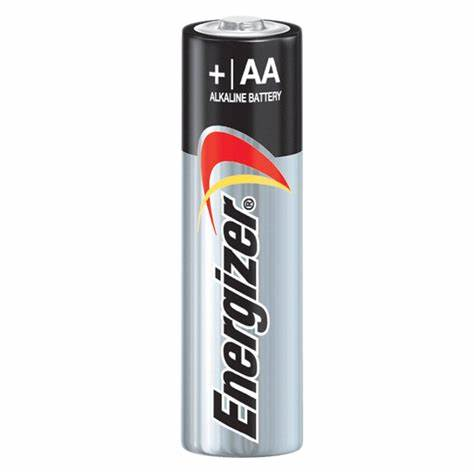
Figure 2. AA Battery
2. AAA Batteries
AAA batteries are thinner and lighter than AA cells, providing a lower energy capacity but allowing for use in more compact devices. They are often found in remote controls, TV streaming remotes, digital voice recorders, electric toothbrushes, and some LED flashlights. While they don’t last as long under heavy use, their size makes them ideal for electronics where conserving space is a priority.
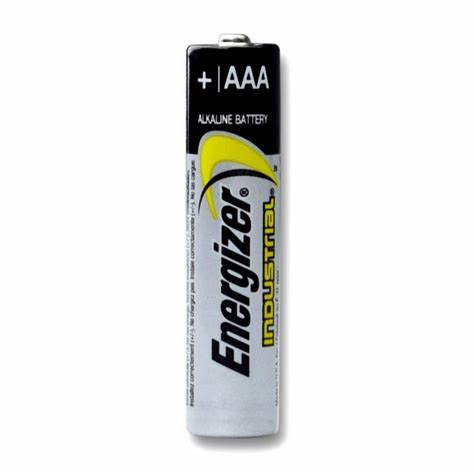
Figure 3. AAA Battery
3. C and D Batteries
C and D cells are much larger and capable of storing more energy, making them well-suited for high-drain or long-duration devices. C batteries are commonly used in medium-sized equipment like musical toys and some power tools, while D batteries are preferred for more demanding applications such as portable lanterns, large flashlights, boomboxes, and battery-powered fans. Their bulk may be a drawback in small devices, but they provide the endurance needed for sustained performance.

Figure 4. D Batteries
4. 9V Batteries
9V batteries deliver a higher voltage output than cylindrical cells and are recognizable by their rectangular shape with snap connectors. They’re frequently used in smoke detectors, gas leak sensors, wireless microphones, and certain types of medical equipment. These batteries are valued for their reliability and steady voltage, especially in emergency-use devices that required consistent performance.
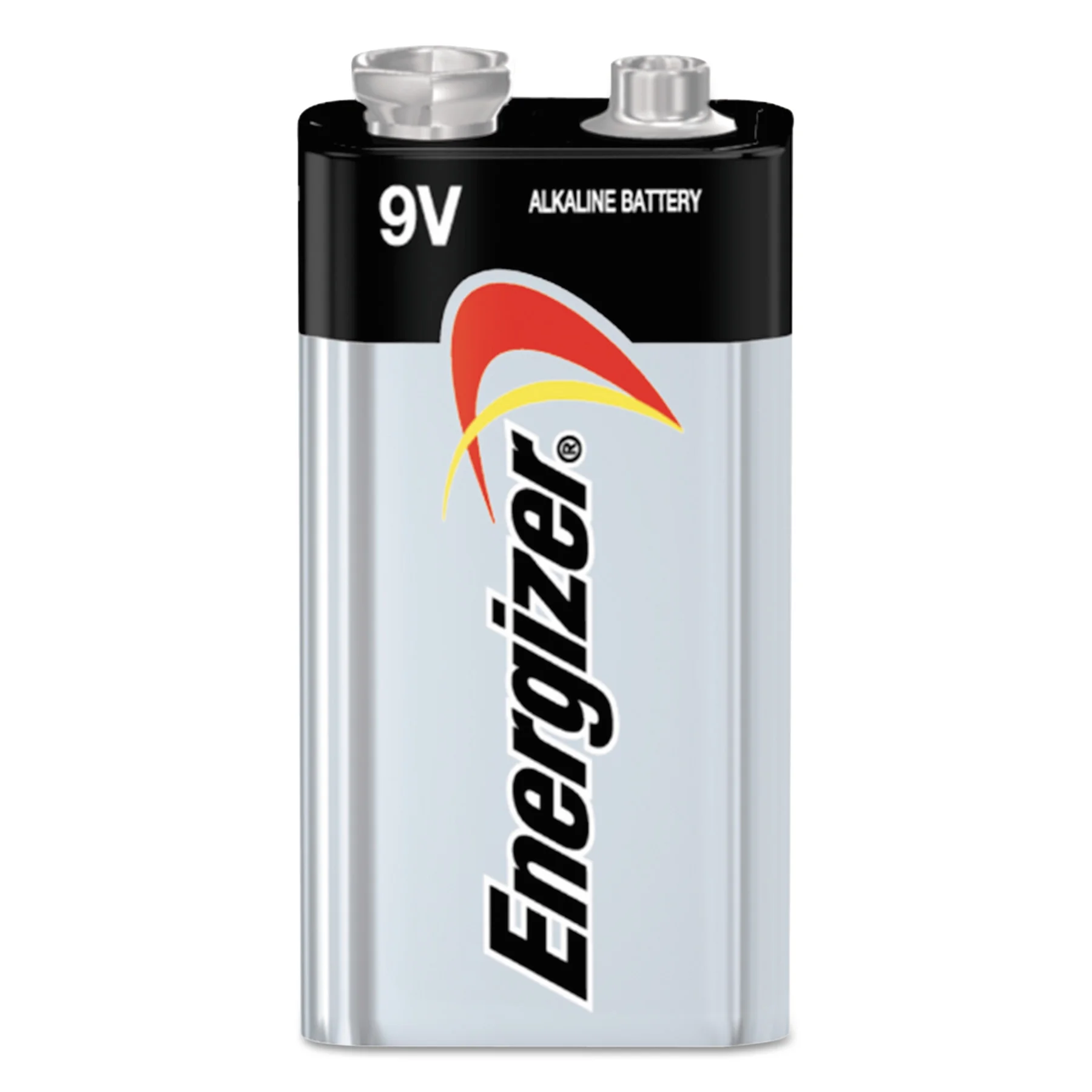
Figure 5. 9V Battery
5. Button Cells and Specialty Sizes
In addition to the standard cylindrical and rectangular types, alkaline battery chemistry is also used in smaller formats like button cells (also called coin cells). These are commonly found in compact devices such as wristwatches, hearing aids, laser pointers, digital thermometers, and calculators. Alkaline button cells are prized for their small footprint and steady voltage over time.

Figure 6. Button Cells
Advantages of Alkaline Batteries
Long Shelf Life
One of the standout benefits of alkaline batteries is their exceptional shelf life. When stored at room temperature and in a dry environment, they lose only about 2–3% of their charge per year. This slow discharge rate allows them to remain functional and ready for use even after several years in storage. This feature makes them ideal for devices that are used infrequently or in emergencies, such as smoke detectors, flashlights, and weather radios. Furthermore, their tight seals and stable internal chemistry minimize the risk of leakage or corrosion over time, providing peace of mind during long-term storage.
High Energy Density
Alkaline batteries are known for their high energy density, which means they can store a substantial amount of power relative to their size. Compared to traditional zinc-carbon batteries, they often last nearly twice as long under similar usage conditions. This makes them effective for powering medium- to high-drain devices, including portable gaming consoles, handheld fans, and digital cameras. Alkaline batteries also handle intermittent surges in power demand such as the quick burst needed for a camera flash, without voltage drops, ensuring consistent performance.
Easy and Safe to Use
Another major advantage of alkaline batteries is their simplicity and safety. They require no special tools, handling procedures, or ventilation systems to use. Most modern alkaline batteries are sealed to prevent leaks and are manufactured without toxic heavy metals like mercury, which were common in older battery technologies. Their widespread acceptance means they can be carried during travel without any special packaging or regulations, adding to their convenience.
Consistent Performance
Alkaline batteries are designed to deliver a steady voltage throughout most of their lifespan. This consistency ensures that electronic devices function smoothly, with fewer sudden drops in performance as the battery discharges. From toys and remote controls to medical thermometers and wireless keyboards, devices powered by alkaline batteries benefit from reliable and predictable operation. Alkaline batteries also perform well across a broad temperature range, making them suitable for both indoor use and outdoor conditions.
Rechargeable Alkaline Options
For environmentally conscious looking to reduce long-term costs, rechargeable alkaline batteries offer a sustainable alternative. These batteries can be recharged up to 100 times when used and maintained properly. They are best suited for low- to moderate-drain applications, such as wall clocks, remote controls, and LED lights. While not as long-lasting or robust as NiMH (Nickel-Metal Hydride) rechargeable batteries, RAMs provide a more eco-friendly option that still fits standard alkaline battery formats. It's important to use the correct charger specifically designed for RAMs to ensure safety and maximize lifespan.
Cost-Effective
Affordability is a major factor in the widespread use of alkaline batteries. They are widely available in stores and online, and they come in a variety of pack sizes. Their long shelf life, strong performance, and low maintenance needs make them a practical and economical choice for many applications. For low- to mid-drain devices that don’t require frequent battery changes, alkaline batteries often provide better long-term value than some rechargeable alternatives, especially when immediate or plug-free power is needed.
Disadvantages of Alkaline Batteries
Struggle with High-Drain Devices
Alkaline batteries don’t do well in devices that need a lot of power at once. Their internal resistance increases as they’re used, making it harder for current to flow. In high-drain electronics like digital cameras or power tools, this can lead to short runtimes or sudden shutdowns. Even if the battery isn’t fully drained, the voltage might drop too low for the device to function.
Bulky for Some Uses
Alkaline batteries are larger than some newer battery types that offer the same or more energy. In compact gadgets like fitness trackers or hearing aids, their size becomes a problem. Others often choose lithium or custom rechargeable batteries when space and weight are needed.
Risk of Leakage
If left in devices too long, especially unused ones, alkaline batteries can leak. The potassium hydroxide inside is corrosive and can damage electronics. Leaks are more likely when mixing old and new batteries, storing them in hot places, or trying to recharge non-rechargeable ones. Although modern designs are better sealed, leaks still happen. Regularly checking battery compartments and removing old cells can help avoid damage.
Safety Concerns of Using Alkaline Batteries
Alkaline batteries are safe for most everyday uses. But they can be dangerous if used the wrong way or kept in bad conditions, like in very hot places. Knowing the risks can help you stay safe and protect your devices.
Risk of Exploding
A serious danger is trying to recharge normal alkaline batteries. These batteries are not made to be recharged. When you try, gas builds up inside the battery. If too much gas builds up, the battery can burst or explode, which can hurt you or break your device. Leaving batteries in hot places, like inside a car on a sunny day, can also make them explode. Heat makes the battery work harder inside, building up gas and pressure. Devices with small or tight battery spaces are more at risk because heat can’t escape easily. To stay safe never try to recharge batteries that are not marked "rechargeable" and do not leave batteries in hot places like cars or near heaters.
Leaking Chemicals
Old or damaged batteries can leak a white or yellowish powder or liquid. This is a dangerous chemical that can damage your devices by eating away at the metal parts. It can also hurt your skin, eyes, or lungs if you touch it or breathe it in.
To lower the risk of battery leaks, do not mix old and new batteries or different brands of batteries, as this can cause them to leak more easily. Always store batteries in a cool, dry place, and remember to take them out of devices you won’t be using for a long time. If a battery leaks at work or at home, be careful when cleaning it up. Wear gloves to protect your skin, wash your hands after touching the battery, and follow any safety rules your workplace has for dealing with battery leaks.
How Alkaline Batteries Compare to Other Types?
Alkaline Batteries are cheap and easy to find, perfect for low-power devices you don’t use often. However, they are single-use and create waste when thrown away. Lithium Batteries work well in high-drain devices and extreme temperatures. They last longer but cost more and can’t be recharged. NiMH Rechargeable Batteries cost more at first but can be used many times, saving money and reducing waste. Low self-discharge models are best if you don’t use them right away.
|
Feature |
Alkaline Batteries |
Lithium Batteries |
NiMH Batteries |
|
Cell Voltage |
1.5V |
1.5V to 1.8V |
1.2V |
|
Rechargeable |
No |
No |
Yes (500 to 1,000 recharges) |
|
Capacity (AA Size) |
Around 2,500 mAh |
Around 3,000 mAh |
1,300 mAh to 2,800 mAh |
|
Shelf Life |
5–10 years with proper storage |
10–15 years, very stable |
3–5 years, but low self-discharge types last much longer |
|
Self-Discharge Rate |
Very low (under 0.3% per month) |
Low (1.5–2% per month) |
High (20–30% per month standard, 1–2% for low
self-discharge models) |
|
Best Suited For |
Low-power devices like clocks, remotes, and toys |
High-drain gadgets like cameras, GPS units, and outdoor
sensors |
High-drain, reusable applications like flashlights,
controllers, and toys |
|
Cost Per Battery (AA Size) |
Low, typically around $0.50 |
Higher, often $2.00 or more |
Higher upfront (~$2.50+), but cost-effective over time
due to reusability |
|
Cold Weather Performance |
Poor to moderate; capacity drops significantly |
Excellent performance in both extreme cold and heat |
Moderate; capacity declines in cold temperatures |
|
Environmental Impact |
Low toxicity, safe for regular disposal |
Requires special recycling due to material content |
Eco-friendly, rechargeable, and recyclable |
|
Reusability |
Single-use only |
Single-use only |
Highly reusable, cutting down on waste |
How to Extend the Life of Alkaline Batteries?
Alkaline batteries are a convenient power source for countless household devices, but many people don’t realize that a few simple habits can extend their performance and lifespan.
• Proper Storage: First, store your batteries in a cool, dry place, preferably in temperatures between 50°F and 77°F (10°C to 25°C). Extreme heat or cold can degrade the chemical components inside the battery, reducing both shelf life and performance. Avoid storing them in places like car trunks, garages, or next to heating vents, as fluctuating temperatures and humidity can accelerate their deterioration.
• Keep Them Sealed Until You Need Them: Whenever possible, keep batteries in their original packaging until you are ready to use them. Packaging helps protect the terminals from contact with metal objects or other batteries, which can cause accidental discharge or short-circuiting. If you remove them from the package early, make sure they are stored in a container that keeps the terminals separated and protected.
• Match Brands and Charge Levels: When powering a device that requires multiple batteries, always use batteries of the same brand, type, and similar charge level. Mixing old and new batteries, or different brands with slightly different chemical compositions, can result in uneven power draw. This imbalance often causes the weaker batteries to drain faster, increasing the risk of leakage or rupture that could damage your device.
• Remove Batteries When Not in Use: If you know you won’t be using a device for an extended period such as a flashlight in summer or holiday decorations after the season ends, remove the batteries and store them separately. Leaving batteries inside idle devices increases the risk of slow discharge or corrosion over time, which can shorten their life and potentially ruin your electronics.
• Use the Right Charger for Rechargeable Alkaline Batteries: Rechargeable alkaline batteries are an eco-friendly alternative to disposable ones, but they require special care. Only use chargers specifically designed for rechargeable alkaline batteries. Using the wrong charger can overheat the battery or fail to restore proper charge, ultimately shortening its lifespan or posing a safety risk.
• Recycle Used Batteries Responsibly: Finally, extending battery life isn’t just about usage, it’s also about responsible disposal. Once your alkaline batteries are depleted, take them to a recycling facility or a local collection program. Recycling helps recover valuable materials such as zinc and steel, reducing the environmental impact and keeping harmful chemicals out of landfills.
Conclusion
Alkaline batteries are a simple and low-cost choice for many everyday devices. They come in different sizes and work well for things you don’t use all the time. They last a long time on the shelf and are easy to find in stores. But they are not the best for devices that use a lot of power, and they can leak if left inside gadgets for too long. Storing them the right way and taking them out when not in use helps them last longer. Whether you pick regular or rechargeable alkaline batteries, knowing how to use and care for them helps you get the best performance while keeping your devices safe.
About us
ALLELCO LIMITED
Read more
Quick inquiry
Please send an inquiry, we will respond immediately.
Frequently Asked Questions [FAQ]
1. Which lasts longer, zinc or alkaline batteries?
Alkaline batteries last much longer than zinc batteries. They provide more power and keep working for a longer time, especially in devices you use every day like clocks, toys, or remote controls. Zinc batteries run out much faster and are better suited for very light-use gadgets like small flashlights or simple radios.
2. Which is better, alkaline or non-alkaline batteries?
Alkaline batteries are better in most cases. They last longer, give steady power, and are safer to use. Non-alkaline batteries, like zinc-carbon types, run out faster and don’t handle heavy use very well. So if you want better performance and longer life, alkaline batteries are the better choice.
3. What are alkaline batteries best used for?
Alkaline batteries are great for low to medium-power devices you use around the house or at work. This includes remote controls, wall clocks, wireless mice, toys, flashlights, and small radios. They work best when you need steady power over a long period without having to change batteries too often.
4. Are lithium batteries safer than alkaline?
Both are safe if used correctly, but lithium batteries handle heat and storage better. They also last longer in high-power devices. However, lithium batteries can be more dangerous if damaged, as they might overheat or catch fire. Alkaline batteries are generally safer for casual, everyday use because they are less likely to cause serious problems if misused.
5. Can I mix lithium and alkaline batteries?
No, you should never mix lithium and alkaline batteries in the same device. They have different power levels and chemical makeups. Mixing them can cause leaks, overheating, or even damage your device. Always use the same type and brand of battery together to keep your device safe and working properly.
Varistors Explained: How They Work, Types, Uses, and Selection Tips
on May 12th

Everything You Need to Know About the EPM7256AFC256-7
on May 9th
Popular Posts
-

Complex Instruction Set Computers: How They Changed Computing?
on June 14th 148402
-

USB-C Pinout and Features
on June 14th 131612
-
Using Xilinx Unified Simulation Primitives: A Comprehensive Guide to FPGA Design and Simulation
on June 14th 111884
-

Power Supply Voltages in Electronics: Meaning of VCC, VDD, VEE, VSS, and GND
on June 14th 94454
-

RJ45 Connector Guide: Pinout, Wiring, Cable Types, and Uses
on January 1th 93987
-

The Ultimate Guide to Wire Color Codes in Modern Electrical Systems
The way our electrical systems use colors isn’t just for looks. Each wire color now indicates a specific function, making it easier to identify and handle electrical components correctly during ins...on January 1th 76891
-

Quality (Q) Factor: Equations and Applications
The quality factor, or 'Q', is important when checking how well inductors and resonators work in electronic systems that use radio frequencies (RF). 'Q' measures how well a circuit minimizes energy...on January 1th 74843
-
Purge Valve Guide: Function, Symptoms, Testing, and Replacement for Optimal Engine Performance
The purge valve is a key part of a car’s system that helps keep the air clean by managing fuel vapors before they can escape into the atmosphere. This not only helps the environment by reducing pol...on January 1th 68783
-

Understanding Capacitors and Their Symbols in Circuit Diagrams
Capacitors are small parts used in almost all electronic devices. They store and release electrical energy and are found in things like power supplies, radios, and circuits that help reduce noise. ...on June 14th 58528
-

A23 Battery Specifications and Compatibility
The A23 battery is a small, cylinder-shaped battery with high voltage. Also called 23A, 23AE, or MN21, it runs at 12 volts and much higher than AA or AAA batteries. Its special design make...on January 1th 58132
HOT Part Number
-
MAX3100CEE-T
Analog Devices Inc./Maxim Integrated
IC UART SPI/MICRWIRE COMP 16QSOP
BD9B100MUV-E2
Rohm Semiconductor
IC REG BUCK ADJ 1A 16VQFN
UPD70F3539AF5A9-PN7-Q-A
Renesas Electronics America Inc
IC MICROCONTROLLER
18081A621JAT2A
KYOCERA AVX
CAP CER 620PF 100V NP0 1808
FDN340P
onsemi
MOSFET P-CH 20V 2A SUPERSOT3
70231-101
Amphenol ICC (FCI)
CONN RCPT BLADE PWR 8POS EDGE MT
MPSW42RLRAG
onsemi
TRANS NPN 300V 0.5A TO92
MC7824BT
onsemi
IC REG LINEAR 24V 1A TO220AB
LT1815CS5#TRPBF
Analog Devices Inc.
IC OPAMP VFB 1 CIRCUIT TSOT23-5
DG411DYZ
Renesas Electronics America Inc
IC SWITCH SPST-NCX4 35OHM 16SOIC
VFT2060C-M3/4W
Vishay General Semiconductor - Diodes Division
DIODE SCHOTTKY 20A 60V ITO-220AB
TSX562AIYST
STMicroelectronics
IC CMOS 2 CIRCUIT 8MINISO
MR256D08BMA45
Everspin Technologies Inc.
IC RAM 256KBIT PARALLEL 48FBGA
VSC3312YYP-01
Microchip Technology
IC SWITCH 16X16 6.5GBPS 196FCBGA
XC68HC908GP20CFB
Motorola
TSG 8BIT20K FLASH
CSR8811A08-ICXR-R
Qualcomm
IC RF TXRX+MCU BLUETOOTH
HIN202ECBN
Intersil
IC TRANSCEIVER FULL 2/2 16SOIC
MPSW05
onsemi
TRANS NPN 60V 0.5A TO92 -
12065C102JAZ2A
KYOCERA AVX
CAP CER 1000PF 50V X7R 1206
1N4055R
Solid State Inc.
DIODE GEN PURP REV 900V 275A DO9
ASX342ATSC00XPED0-DP
onsemi
IMAGE SENSOR VGA 1/4 CIS SOC
0433.125NR
Littelfuse Inc.
FUSE BOARD MNT 125MA 125VAC/VDC
1SMA5941BT3G
onsemi
DIODE ZENER 47V 1.5W SMA
DCP010512BP-U/700
Texas Instruments
DC DC CONVERTER 12V 1W
1N2134A
Solid State Inc.
DIODE GEN PURP 350V 70A DO5
1-1734344-1
TE Connectivity AMP Connectors
CONN D-SUB HD RCPT 15P R/A SLDR
KSD1621STF
onsemi
TRANS NPN 25V 2A SOT89-3
BQ24161RGET
Texas Instruments
IC BATT CHG LI-ION 1CELL 24VQFN
BTA26-600BW
STMicroelectronics
TRIAC ALTERNISTOR 600V 25A TOP3
NCP1239DD65R2G
onsemi
IC OFFLINE SWITCH FLYBACK 7SOIC
BQ20Z90DBTR-V150
Texas Instruments
IC GAS GAUGE LI-ION 30TSSOP
PCMB104T-1R0MT
Susumu
FIXED IND 1UH 18A 3.3 MOHM SMD
CY29942AXCT
Infineon Technologies
IC CLK BUFFER 1:18 200MHZ 32TQFP
CC0402KRX7R9BB561
YAGEO
CAP CER 560PF 50V X7R 0402
STPS20M60SG-TR
STMicroelectronics
DIODE SCHOTTKY 60V 20A D2PAK
AT25010N-10SC-2.7
Microchip Technology
IC EEPROM 1KBIT SPI 3MHZ 8SOIC -
04023A1R0CAT4A
KYOCERA AVX
CAP CER 1PF 25V C0G/NP0 0402
ISL6327IRZ
Intersil
SWITCHING CONTROLLER, VOLTAGE-MO
LQW18AN75NG0ZD
Murata Electronics
FIXED IND
DFA100BA160
SanRex Corporation
DIODE MODULE 1600V 100A
BAR46AFILM
STMicroelectronics
DIODE ARRAY SCHOTTKY 100V SOT23
MAX825SEUK
Analog Devices Inc./Maxim Integrated
IC SUPERVISOR MPU
LTC3891IUDC#TRPBF
Analog Devices Inc.
IC REG CTRLR BUCK 20QFN
FODM8801AR2
onsemi
OPTOISO 3.75KV TRANS 4-MINI-FLAT
FJV1845FMTF
Fairchild Semiconductor
SMALL SIGNAL BIPOLAR TRANSISTOR,
KSZ8893FQLI-FX
Microchip Technology
IC SWITCH ETH 3PORT 128QFP
170M6340
Eaton - Bussmann Electrical Division
FUSE SQUARE 400A 1.3KVAC RECT
BCM20741A2KFB1G
Broadcom Limited
SINGLE-CHIP BLUETOOTH
GRM0335C1H9R3DA01D
Murata Electronics
CAP CER 9.3PF 50V C0G/NP0 0201
TNY175PN
Power Integrations
11.5 W (85-265 VAC) 15 W (230 VA
742700726
Würth Elektronik
FERRITE CORE 278 OHM SOLID 4MM
DM74S20N
onsemi
IC GATE NAND 2CH 4-INP 14DIP
P4SMA56CA-E3/61
Vishay General Semiconductor - Diodes Division
TVS DIODE 47.8VWM 77VC DO214AC
GRM1885C1HR80CA01D
Murata Electronics
CAP CER 0.8PF 50V C0G/NP0 0603