
NiMH Battery Charging: How to Charge Them?
Nickel-metal hydride (NiMH) batteries are based on older designs, the nickel-hydrogen battery. Both types use a nickel-hydroxide positive electrode and potassium hydroxide (KOH) as the electrolyte, similar to Nickel-Cadmium batteries. The difference is that instead of cadmium at the negative electrode, nickel-hydrogen batteries use hydrogen gas. To make storing hydrogen easier, scientists created metal-hydride compounds that can absorb and release hydrogen without the need for high-pressure containers. This led to the development of NiMH batteries.This article explores how NiMH batteries charge and discharge, and how this differs from NiCd batteries, regarding overcharging. Overcharging affects NiMH batteries differently, impacting their lifespan and performance. We will also cover charging methods to maximize NiMH battery life and efficiency. By using the right charging techniques, you can boost battery performance and protect their health. This shows the importance of using the right tools and methods to keep NiMH batteries working well.
Catalog

Figure 1: NiMH Batteries
NiMH Charge/Discharge Characteristics
NiMH (Nickel-metal hydride) batteries behave differently from NiCd (Nickel-cadmium) batteries, when it comes to overcharging. Overcharging can cause capacity loss in NiMH batteries, that is why they require more advanced charging controls. While NiCd batteries show a clear voltage spike when fully charged, NiMH batteries only show a small voltage change, making it harder to detect full charge based on voltage alone. As a result, chargers must use temperature sensors to sense the heat that builds up once the battery is fully charged, helping to prevent overcharging.
NiMH batteries charge efficiently, similar to other nickel-based batteries, up until they reach about 70% of their capacity. After this point, charging becomes less efficient, and the battery starts to heat up. NiMH batteries charge differently depending on the manufacturer, making it hard to create a universal charger. As a result, advanced chargers that adjust to small voltage and temperature changes are required for longer battery life.
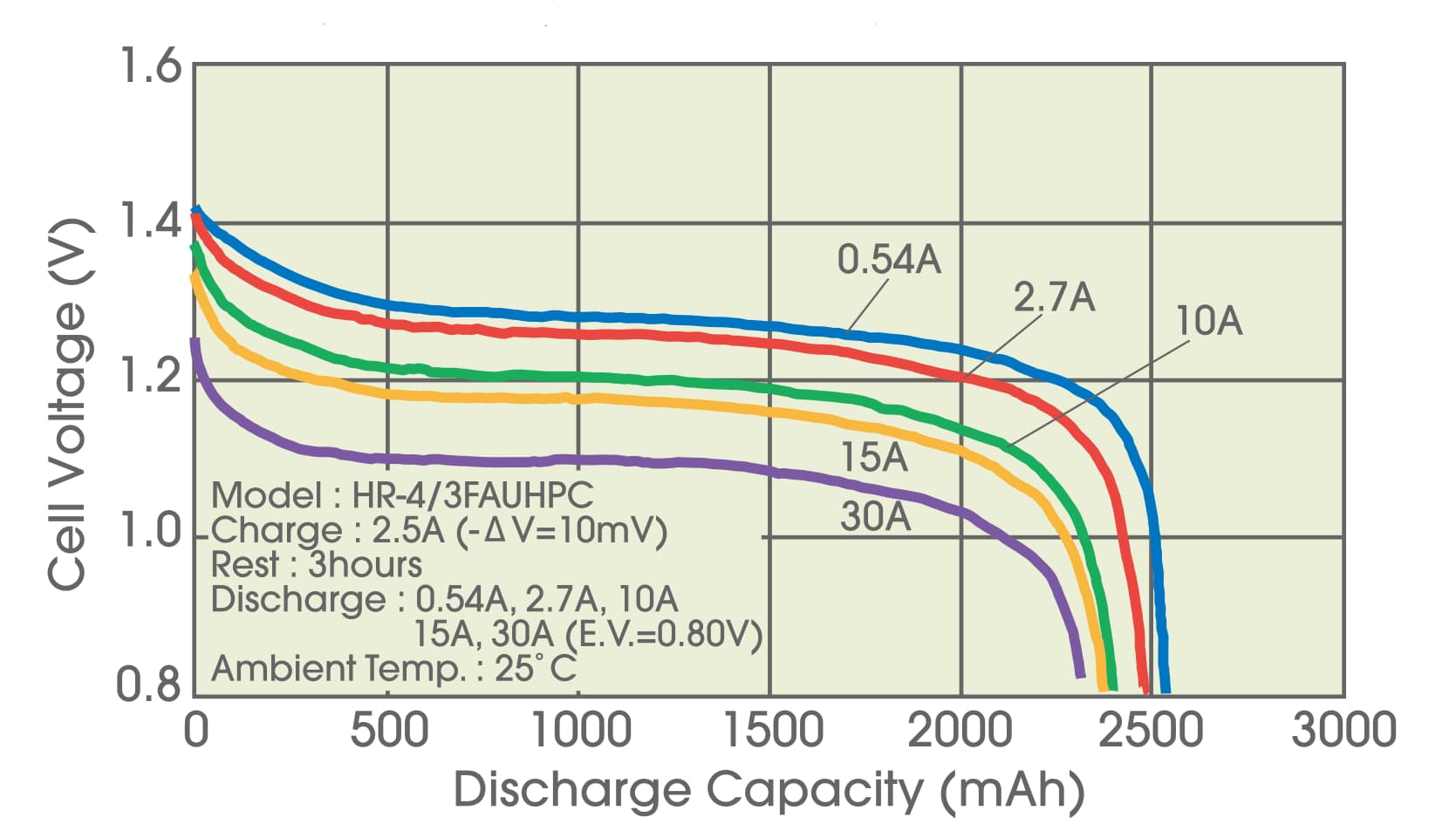
Figure 2: High-Rate Discharge of NiMH Battery
NiMH Charge Methods
Charging NiMH batteries requires careful control of the charging current to avoid overcharging. Several methods have been developed to achieve this. One common method is timer-based charging, where charging runs for a set amount of time based on the assumption that the battery starts empty. However, this approach risks overcharging, if the battery has lost capacity over time.
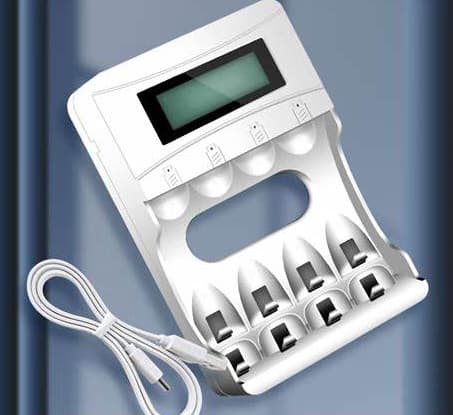
Figure 3: Timer-based Charger
Another method involves detecting heat. Charging stops once the battery starts to get noticeably warmer. While effective, this method doesn’t work well with slow chargers since the temperature change is too small.
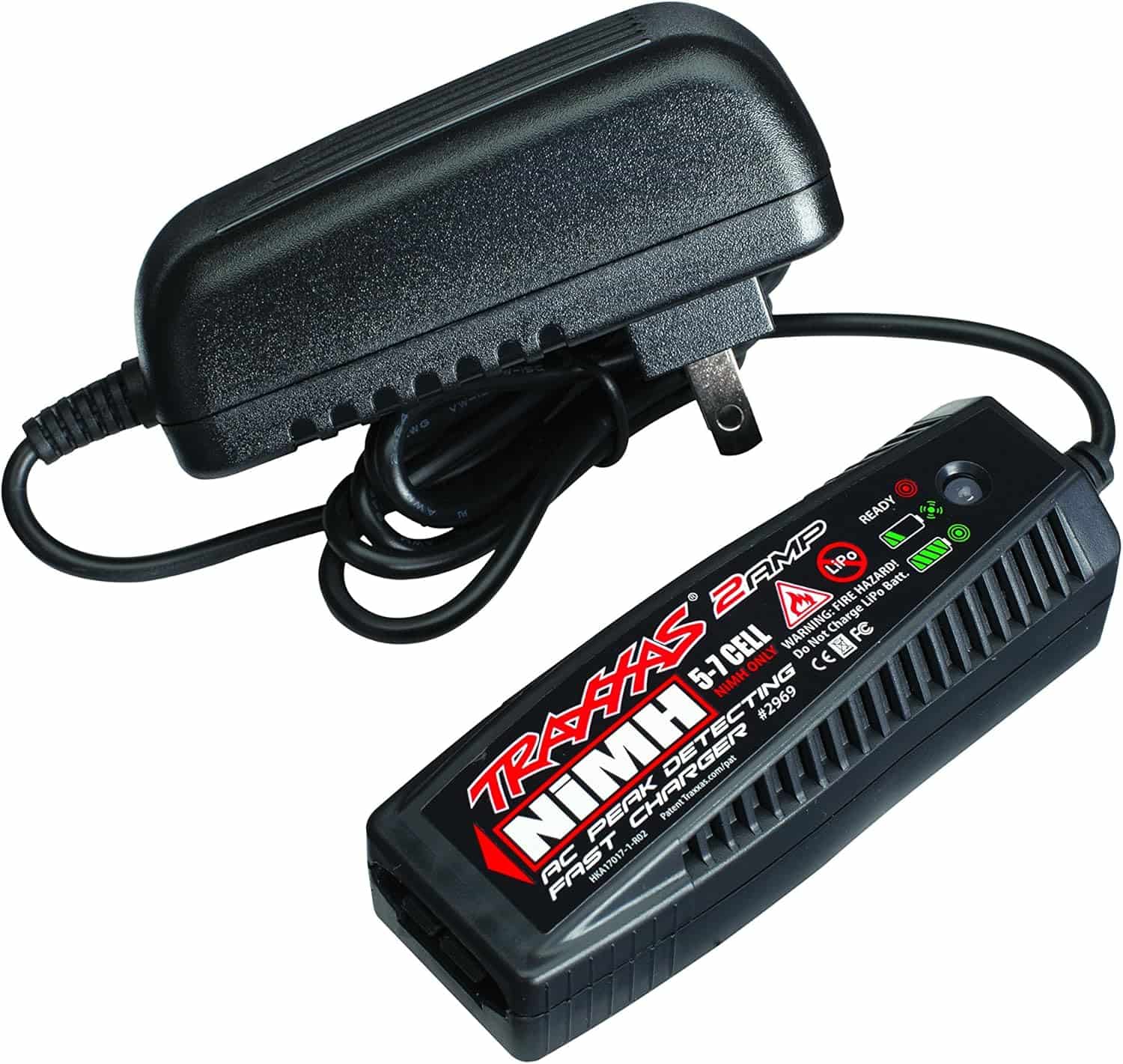
Figure 4: Peak-Detecting NiMH Battery Fast Charger
A more sophisticated approach is the negative delta voltage (NDV) method, borrowed from NiCd charging. It looks for a slight drop in voltage to indicate the battery is full. For NiMH batteries, though, this voltage drop is very small, so advanced circuitry is a must to avoid errors.
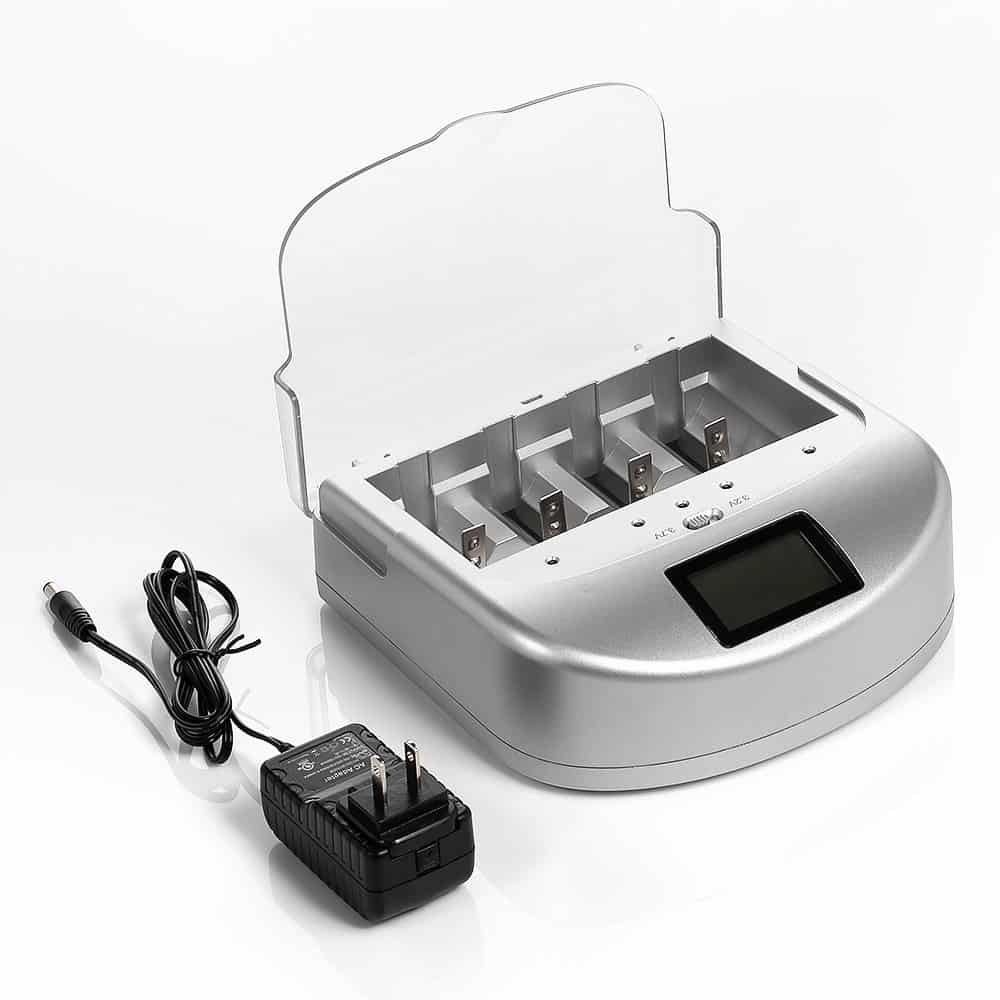
Figure 5: Battery Charger with Negative Delta Voltage (NDV)
Many advanced chargers combine these techniques using NDV, temperature detection, and timers to improve accuracy. Some chargers also use a step-differential approach, starting with a high charge rate and gradually lowering it. This helps manage heat better and adapts to the specific needs of the battery.
NiMH Trickle Charging
NiMH batteries are more sensitive to overcharging than NiCd batteries, so trickle charging must be done at lower rates, usually around 0.05C. If trickle charging is too fast or lasts too long, it can damage the battery over time. To avoid this, it's better to periodically recharge the battery rather than leave it on trickle charge for extended periods.
In devices like cordless phones, where the battery stays connected to the charger, it's important to manage NiMH batteries carefully to avoid overcharging. Replacing the battery regularly helps keep the device running smoothly.
How to Charge NiMH Batteries?
Step 1
Choose a charger specifically made for NiMH batteries. The best option is a smart charger, equipped with a microprocessor and a thermistor. These components help prevent overcharging by tracking the battery’s capacity and temperature throughout the process. Smart chargers cost around $20 to $30 USD and can be found at electronics shops. Make sure the charger, whether fixed or with adjustable current settings, is compatible with your battery’s specifications.
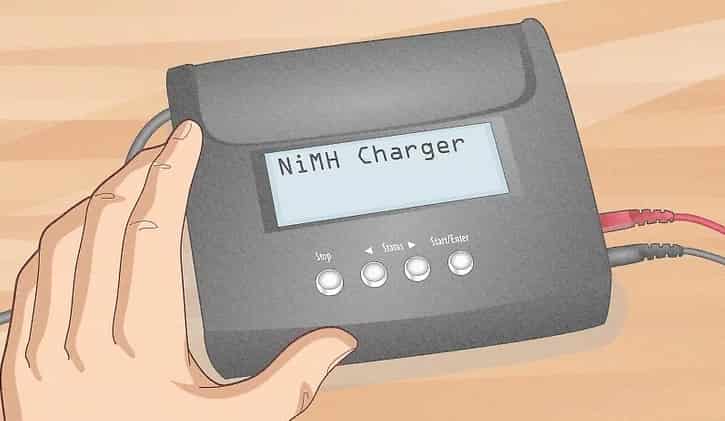
Figure 6: Smart Charger for NiMH Batteries
Step 2
Carefully take the battery out of its device. For smaller, standard-sized batteries, this might involve simply popping them out. Larger battery packs may need wires to be unplugged or screws removed, using tools like a screwdriver. If you’re unsure how to proceed, refer to your device's manual for guidance.
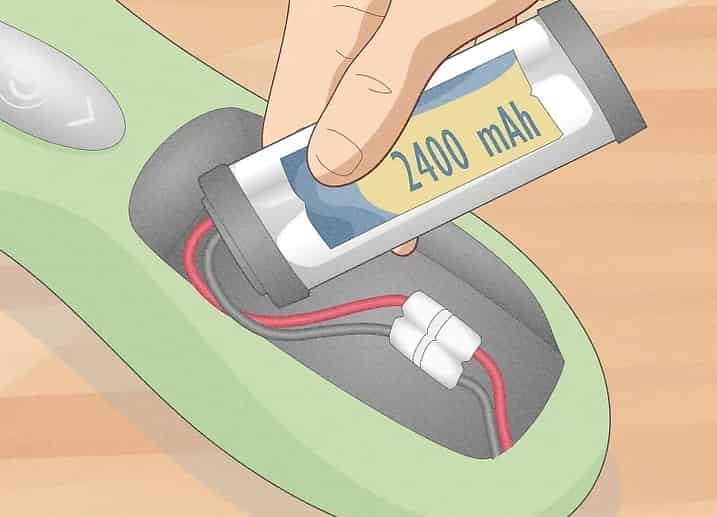
Figure 7: Removing the Battery from the Device
Step 3
Look for the milliamp-hour (mAh) rating on the battery to know its capacity. This rating is need to know the correct charging approach. If the information isn't visible, a quick online search with the battery model number can help.
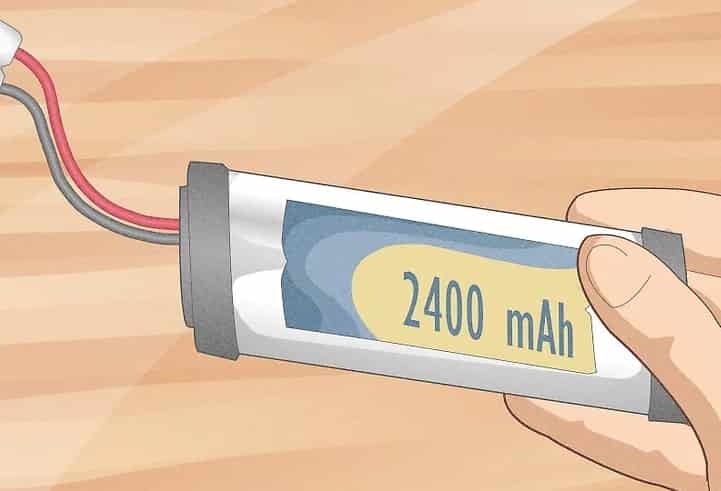
Figure 8: Battery Capacity Label
Step 4
Align the batteries properly in the charger, making sure the positive and negative ends are placed in the correct slots. For battery packs, connect the wires to the appropriate charger port.
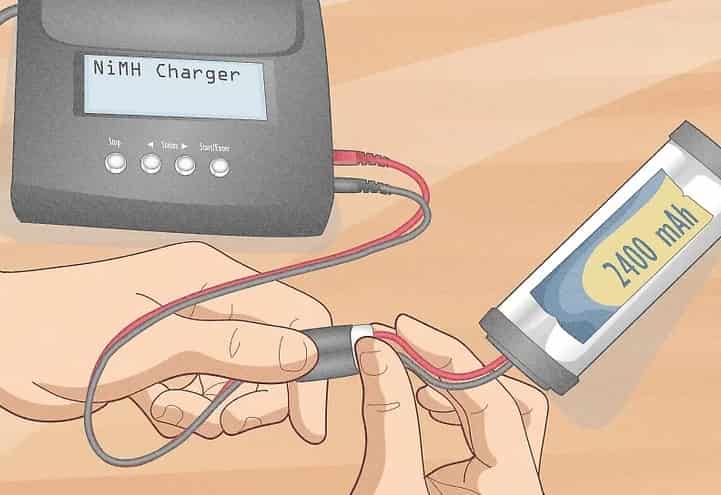
Figure 9: Putting the Batteries into the Charger
Step 5
If you want to charge your battery gently, use a C/10 rate. To find this, divide the battery's capacity (in mAh) by 10. This slower charging method protects the battery from overheating and prolongs its life, though it takes longer.
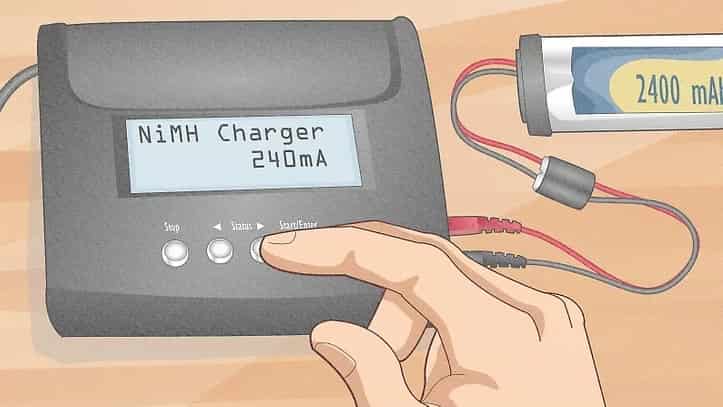
Figure 10: Charge the Battery at C/10
Step 6
For fully depleted batteries, use a faster C/3.33 rate along with a charger that includes a built-in timer. The timer ensures the charging stops once the battery reaches full capacity, preventing overcharging.
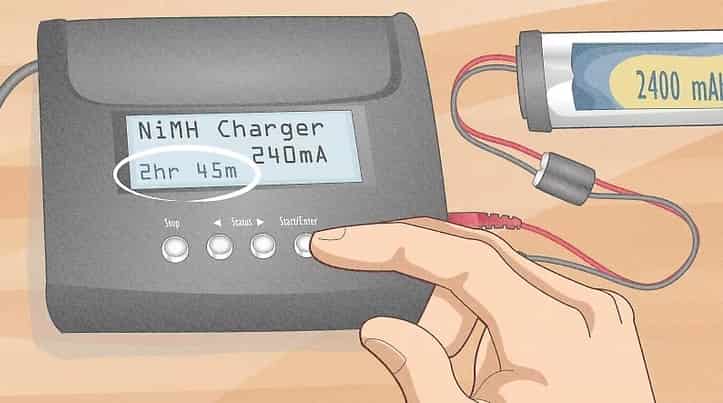
Figure 11: Use a timer charger at C/3.33
Step 7
If you need a quicker charge, set the charger to a 1C rate. This provides a faster charge but requires close monitoring, as the battery could overheat or suffer damage if left unattended for too long.
Step 8
To determine how long to charge the battery, use the formula (Battery Capacity x 1.2) ÷ C-rate. NiMH batteries need a bit more energy than they release, so this calculation helps you estimate the correct charging time.
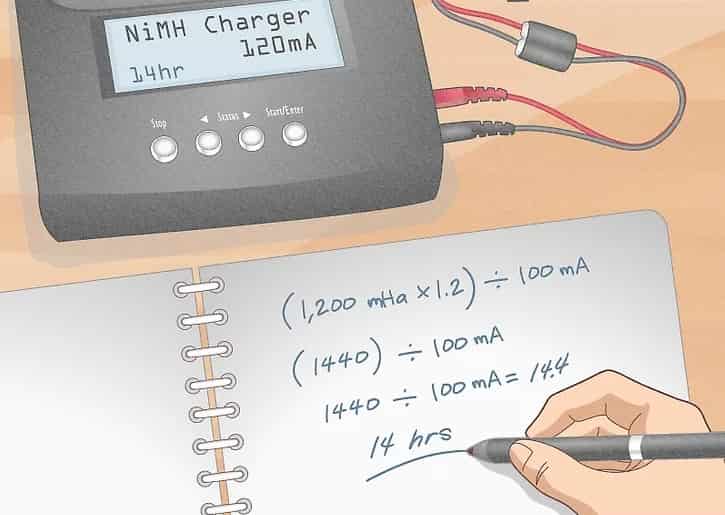
Figure 12: Calculating How Long to Leave the Battery on the Charger
Safe Charging Practices
It's important to use a charger specifically designed for NiMH cells since they aren't compatible with NiCd chargers.
Only charge your batteries at room temperature. Charging when the battery is hot such as right after use or near heat sources can lead to overheating and damage.
Unplug the charger once the battery is fully charged. Leaving the battery on charge for too long can shorten its lifespan. Regularly check the battery's charge level or use the timer on your charger to avoid overcharging.
Fast charging can be a good option if the battery supports it, as it allows easier monitoring of the charging process and keeps the temperature lower up to about 70% of the battery's capacity.
Store batteries at about 40% charge in a cool, dry place when not in use. If you're not using them for an extended period, partially discharge them or use the discharge function on your charger to keep them in good condition.
Once a NiMH battery can no longer hold a charge, after about 500 cycles, it's time to recycle it. Many electronic stores have battery recycling programs where you can drop off old batteries for proper disposal.
Similarly, you can receive expert guidance on NiMH battery charging from engineers specializing in custom lithium ion battery packs.
Conclusion
Properly managing NiMH batteries with the right charging methods is important for getting the best performance and longest life from them. As discussed in this article, picking the right charger, knowing the battery's capacity, and following the suggested charging speeds help keep the battery in good shape. Using advanced technologies like temperature sensors and negative delta voltage detection also helps prevent overcharging. By following these tips and using safe charging practices, users can make sure their NiMH batteries stay dependable and last through many uses. Taking care of your batteries not only helps your device but also reduces electronic waste and supports more sustainable technology use.
Frequently Asked Questions [FAQ]
1. What is the best way to charge a NiMH battery?
To optimally charge a Nickel-Metal Hydride (NiMH) battery, use a smart charger designed for NiMH cells. These chargers automatically adjust the charging rate to prevent overcharging, and enhancing battery life. Begin by inserting the batteries into the charger correctly, aligning the positive and negative ends as indicated.
2. Can I charge NiMH batteries with any charger?
Not all chargers are suitable for NiMH batteries. It's required to use a charger marked for NiMH batteries. Using a charger designed for other types of batteries, like Nickel-Cadmium (NiCd), can lead to improper charging and may damage the NiMH cells due to incompatible charging profiles.
3. How long should NiMH batteries be charged?
The charging time for NiMH batteries depends on the charger and the capacity of the batteries. Generally, a typical charge can take about 4 to 8 hours with a standard charger. Smart chargers that can adjust the charge rate based on the battery's capacity and condition might complete charging faster and more safely.
4. Can you leave a NiMH battery charging overnight?
Leaving NiMH batteries to charge overnight is safe if using a smart charger equipped with an automatic shut-off feature to prevent overcharging. Without this feature, there's a risk of overcharging and can reduce battery life and effectiveness.
5. Is it better to charge NiMH fast or slow?
Slow charging is preferable for NiMH batteries. It tends to be safer and extends the life of the batteries by reducing heat build-up and stress on the cells. Fast charging can be convenient but should be done with a compatible charger that can handle quick charging without damaging the batteries.
6. What is the charge limit of a NiMH battery?
NiMH batteries do not have a fixed "charge limit" in the traditional sense. They can be recharged hundreds of times, but their overall lifespan and performance will degrade gradually with each charge cycle. It's important to avoid deep discharging and to recharge the batteries before they are completely depleted to maximize their lifespan.
About us
ALLELCO LIMITED
Read more
Quick inquiry
Please send an inquiry, we will respond immediately.

Unveiling the Complexities of 3G UMTS Network Architecture
on August 23th
Inclusive Guide to FM Slope Detection and Demodulation Technology
on August 22th
Popular Posts
-

Complex Instruction Set Computers: How They Changed Computing?
on June 11th 148369
-

USB-C Pinout and Features
on June 11th 131089
-
Using Xilinx Unified Simulation Primitives: A Comprehensive Guide to FPGA Design and Simulation
on June 11th 111849
-

Power Supply Voltages in Electronics: Meaning of VCC, VDD, VEE, VSS, and GND
on June 11th 94098
-

RJ45 Connector Guide: Pinout, Wiring, Cable Types, and Uses
on January 1th 93471
-

The Ultimate Guide to Wire Color Codes in Modern Electrical Systems
The way our electrical systems use colors isn’t just for looks. Each wire color now indicates a specific function, making it easier to identify and handle electrical components correctly during ins...on January 1th 76627
-

Quality (Q) Factor: Equations and Applications
The quality factor, or 'Q', is important when checking how well inductors and resonators work in electronic systems that use radio frequencies (RF). 'Q' measures how well a circuit minimizes energy...on January 1th 74625
-
Purge Valve Guide: Function, Symptoms, Testing, and Replacement for Optimal Engine Performance
The purge valve is a key part of a car’s system that helps keep the air clean by managing fuel vapors before they can escape into the atmosphere. This not only helps the environment by reducing pol...on January 1th 68562
-

Understanding Capacitors and Their Symbols in Circuit Diagrams
Capacitors are small parts used in almost all electronic devices. They store and release electrical energy and are found in things like power supplies, radios, and circuits that help reduce noise. ...on June 11th 58353
-

A23 Battery Specifications and Compatibility
The A23 battery is a small, cylinder-shaped battery with high voltage. Also called 23A, 23AE, or MN21, it runs at 12 volts and much higher than AA or AAA batteries. Its special design make...on January 1th 57907
HOT Part Number
-

MGA-634P8-TR1G
Broadcom Limited
IC AMP CDMA 1.5GHZ-2.3GHZ 8QFN
AD8276BRMZ-R7
Analog Devices Inc.
IC OPAMP DIFF 1 CIRCUIT 8MSOP
RK73H2BTTD4420F
KOA Speer Electronics, Inc.
RES 442 OHM 1% 1/4W 1206
12105G106ZAT2A
KYOCERA AVX
CAP CER 10UF 50V Y5V 1210
8SLVP1204ANLGI/W
Renesas Electronics America Inc
IC CLK BUFFER 2:4 2GHZ 16VFQFN
VI-J11-EX
Vicor Corporation
DC DC CONVERTER 12V 75W
MM74C04M
onsemi
IC INVERTER 6CH 1-INP 14SOIC
THVD1420DR
Texas Instruments
3.3-V TO 5-V RS-485 TRANSCEIVER
MPXY8600DK6T1
NXP USA Inc.
RF TX IC FSK 315/434MHZ 32QFN
LTC2402IMS#PBF
Analog Devices Inc.
IC ADC 24BIT SIGMA-DELTA 10MSOP
HCPL-314J-500E
Broadcom Limited
OPTOISO 5KV 2CH GATE DRIVER 16SO
MIC5504-3.3YM5-T5
Microchip Technology
IC REG LINEAR 3.3V 300MA SOT23-5
XC4013XL-2BG256C
AMD
IC FPGA 192 I/O 256BGA
71M6534H-IGT/F
Analog Devices Inc./Maxim Integrated
IC ENERY METER 3PH 256K 120-LQFP
IRFS52N15DTRLP
Infineon Technologies
MOSFET N-CH 150V 51A D2PAK
0805ZC104KAT9A
KYOCERA AVX
CAP CER 0.1UF 10V X7R 0805
SIS444DN-T1-GE3
Vishay Siliconix
MOSFET N-CH 30V 35A PPAK1212-8
87972DYI-147LFT
Renesas Electronics America Inc
IC CLOCK MULTIPLIER 52TQFP -

2N6351
Microchip Technology
TRANS NPN DARL 150V 5A TO33
LCMXO256C-4M100C
Lattice Semiconductor Corporation
IC FPGA 78 I/O 100CSBGA
301A10059X
Conec
CONN D-SUB PLUG 25POS SLDR CUP
IPA60R520CP
Infineon Technologies
N-CHANNEL POWER MOSFET
WM8510GEDS/RV
Cirrus Logic Inc.
IC CODEC MONO SPEAKER DVR 28SSOP
0805CS-240EJTS
Delta Electronics/Components
FIXED IND 24NH 500MA 220MOHM SMD
SML-D12V8WT86
Rohm Semiconductor
LED RED DIFFUSED 0603 SMD
MM3Z13VST1G
onsemi
DIODE ZENER 13V 300MW SOD323
FAN53600AUC33X
onsemi
IC REG BUCK 3.3V 600MA 6WLCSP
AD8602ARZ-REEL7
Analog Devices Inc.
IC CMOS 2 CIRCUIT 8SOIC
EP3C40F484C6N
Intel
IC FPGA 331 I/O 484FBGA
S-8352A33MC-K2ST2G
ABLIC Inc.
IC REG CTRLR BOOST SOT23-5
S30460
Microchip Technology
RECTIFIER
NB100LVEP56DTR2G
onsemi
IC DIFF DIG MULTPL 2X2:1 20TSSOP
SI9114ADY-T1-E3
Vishay Siliconix
IC REG CTRLR MULT TOP 14SOIC
SI4896DY-T1-E3
Vishay Siliconix
MOSFET N-CH 80V 6.7A 8SO
FOD250L
onsemi
OPTOISO 5KV TRANS W/BASE 8DIP
BD4836G-TR
Rohm Semiconductor
IC SUPERVISOR 1 CHANNEL 5SSOP -
KSZ8721BL
Microchip Technology
IC TRANSCEIVER FULL 1/1 48LQFP
RT9011-MSGJ6
Richtek USA Inc.
IC REG LINEAR 2.8V/3.3V TSOT23-6
SN65HVD485ED
Texas Instruments
IC TRANSCEIVER HALF 1/1 8SOIC
VI-2N4-CU
Vicor Corporation
DC DC CONVERTER 48V 200W
UC2844AD
Texas Instruments
IC CUR-MODE PWM CONT 14-SOIC
STM32F072C8T7
STMicroelectronics
IC MCU 32BIT 64KB FLASH 48LQFP
1206L035/16YR
Littelfuse Inc.
PTC RESET FUSE 16V 350MA 1206
AD8553ARMZ-REEL
Analog Devices Inc.
IC INST AMP 1 CIRCUIT 10MSOP
MSP430F5310IRGCR
Texas Instruments
IC MCU 16BIT 32KB FLASH 64VQFN
SMAJ12A-E3/5A
Vishay General Semiconductor - Diodes Division
TVS DIODE 12VWM 19.9VC DO214AC
MOC3032VM
Fairchild Semiconductor
TRIAC OUTPUT OPTOCOUPLER WITH ZE
MT47H64M16HR-187E:H
Micron Technology Inc.
IC DRAM 1GBIT PAR 84FBGA
CY22393FXIT
Infineon Technologies
IC CLOCK GENERATOR 16TSSOP
MBR2535CT
Vishay General Semiconductor - Diodes Division
DIODE ARRAY SCHOTTKY 35V TO220AB
06035A101JA12A
KYOCERA AVX
CAP CER 100PF 50V C0G/NP0 0603
LM431ACMX
onsemi
IC VREF SHUNT ADJ 2% 8SOIC
HMC175MS8TR
Analog Devices Inc.
IC DOUBLER PASSIVE FREQ 8MSOP
TL072CDG4
Texas Instruments
IC OPAMP JFET 2 CIRCUIT 8SOIC