Static Electricity: Principles, Phenomena, and Applications
Static electricity is all around you, from a balloon sticking to a wall to the spark you feel when touching a doorknob. This article explains how static electricity forms, how it works, and where it shows up in daily life. You will also see its many applications, from printing and cleaning to farming and packaging, along with ways to manage or reduce its effects.Catalog

Figure 1. Static Electricity
What Is Static Electricity?
Static electricity is the buildup of electric charge on the surface of materials. It occurs when two different materials come into contact and then separate, creating an unequal distribution of electrons. The object that loses electrons becomes positively charged, while the one that gains electrons becomes negatively charged. This imbalance produces the forces of attraction and repulsion that can be observed in many simple interactions.
Awareness of static electricity goes back to ancient times. Around 600 BCE, Thales of Miletus observed that rubbed amber could attract lightweight objects such as straw or feathers. In the eighteenth century, Charles Dufay showed that materials could be grouped into two electrical types, and Benjamin Franklin later introduced the terms positive and negative charge. These contributions laid the foundation for the modern study of electrostatics.
How Does It Work?

Figure 2. Balloon Static Charge
The explanation of static electricity is rooted in the atomic structure of matter. Atoms consist of three primary particles: protons (positively charged), neutrons (uncharged), and electrons (negatively charged). Because electrons are less tightly bound compared to protons and neutrons, they can move from one material to another. This movement explains why static electricity occurs.
When two objects are rubbed together, electrons are transferred, creating an imbalance of charge. This process is called the triboelectric effect. Each material has a different tendency to gain or lose electrons, which is why rubbing glass with silk or wool with wax produces different amounts of charge.
Objects with opposite charges attract, while those with the same charge repel. This principle explains familiar effects such as a balloon sticking to a wall or clothing clinging together after being dried.
Applications of Static Electricity
Static electricity is applied in many fields, from printing and manufacturing to air systems and laboratory research. What may seem like a small effect in daily life becomes a useful tool when controlled.
Xerographic Printing and Photocopying
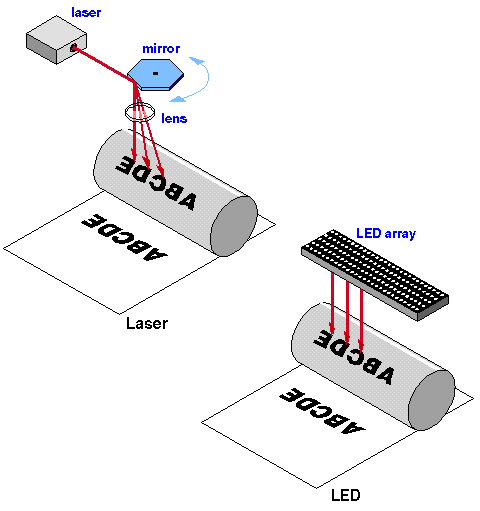
Figure 3. Xerographic Printing Process
Xerography makes use of static charge to produce images on paper. In this process, a photoconductive drum is charged and then exposed to light reflected from the original document. The light removes the charge in specific areas, leaving behind a pattern that attracts toner particles. Heat and pressure then fuse the toner to the paper, creating a permanent copy. This principle remains the basis of most photocopiers and laser printers.
Electrostatic Painting
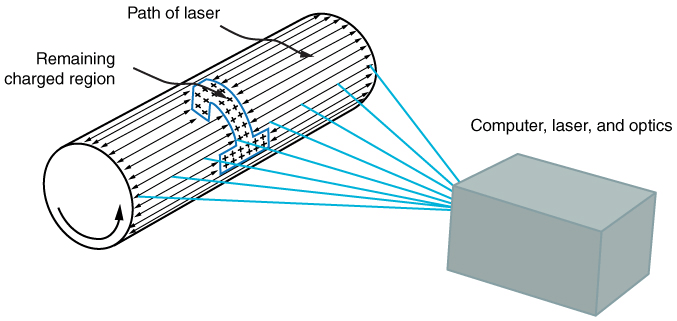
Figure 4. Electrostatic Painting Process
Electrostatic forces are used in industrial painting to improve coating efficiency. Paint droplets are given an electric charge and sprayed toward a surface with an opposite charge. The attraction between charges ensures uniform coverage, reduces overspray, and minimizes paint waste. This method is widely used in automobile manufacturing and the finishing of appliances.
Electrostatic Air Filtration
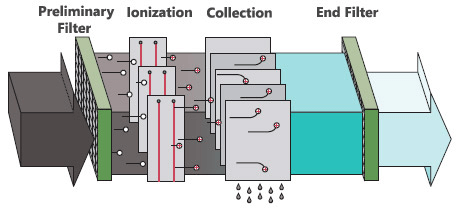
Figure 5. Electrostatic Air Filtration
Air cleaning systems often rely on electrostatic filters to capture fine particles. Airborne dust, pollen, and microorganisms are charged as they pass through the system. The charged particles are then drawn to oppositely charged collector plates, where they remain trapped. This process improves air quality in both residential and industrial environments.
Van de Graaff Generators

Figure 6. Van de Graaff Generator
The Van de Graaff generator is a laboratory device designed to accumulate large static charges. It operates using a moving belt that continuously transfers charge to a hollow metal dome, producing very high voltages. These generators are used in physics experiments to study electrical discharges and demonstrate principles of electrostatics on a large scale.
Inkjet Printing
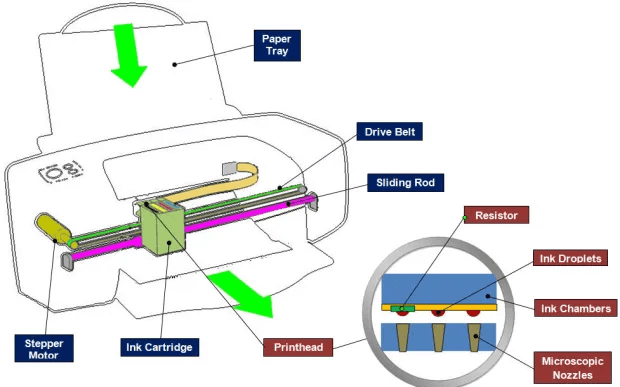
Figure 7. Inkjet Printer
Some inkjet printers employ electrostatic forces to control the placement of ink droplets. By charging the droplets and directing them with electric fields, the system ensures precise application of ink onto paper. This allows for the production of detailed text and images with high resolution
Electrostatic Dusting and Cleaning

Figure 8. Electrostatic Dusting Tool
Electrostatics is also applied in cleaning tools. Certain dusting devices use static charge to attract small particles such as lint and dust. This effect allows surfaces to be cleaned without the need for chemical sprays, making it both efficient and convenient.
Agricultural Spraying
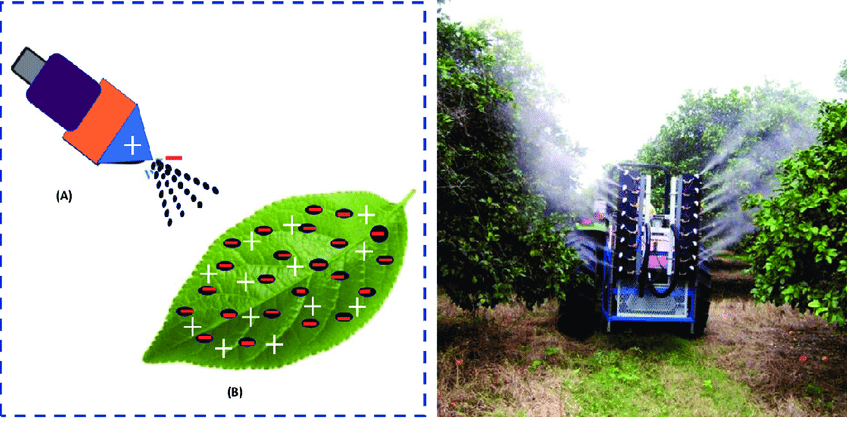
Figure 9. Electrostatic Agricultural Spraying
In agriculture, electrostatic spraying enhances the distribution of pesticides and fertilizers. Liquid droplets are electrically charged as they leave the nozzle, causing them to spread more evenly and adhere strongly to plant surfaces. This reduces chemical waste and increases effectiveness in crop protection.
Packaging and Bonding
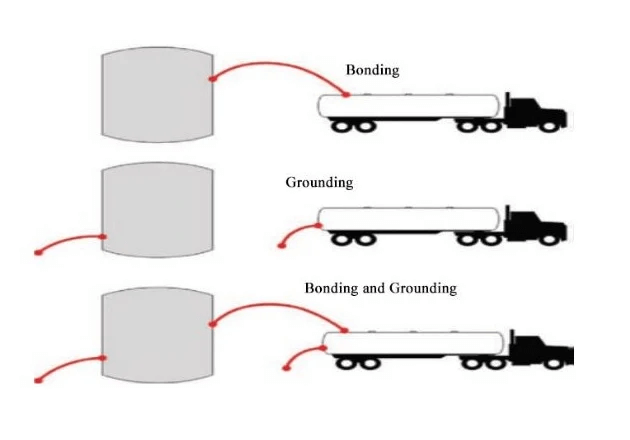
Figure 10. Electrostatic Packaging and Bonding
Static electricity is sometimes used to assist in packaging processes. Charged materials can adhere temporarily, making it easier to align and seal products during production. In some cases, electrostatic bonding is also applied to hold layers together before permanent adhesives or heat treatments are used.
Lightning as Large-Scale Electrostatics
Lightning is a large-scale discharge of static electricity that occurs during thunderstorms. Within storm clouds, collisions between ice, water droplets, and graupel separate charges into distinct regions. This creates an electric field strong enough to break down the insulating properties of air.
When the field becomes sufficiently intense, ionized channels form. A downward-moving leader extends from the cloud while positive streamers rise from the ground. Once these paths connect, a powerful electrical discharge follows, producing the visible flash of lightning. Depending on conditions, this discharge can occur inside a single cloud, between clouds, or between a cloud and the ground.
The immense current of a lightning strike heats the surrounding air to extremely high temperatures, causing it to expand suddenly. This rapid expansion generates the shockwave heard as thunder. Together, the flash and sound show how large-scale electrostatics directly affects the atmosphere.
Historical studies provided critical insight into this phenomenon. In 1745, the Leyden jar was developed to store static charge, allowing scientists to study strong discharges in controlled settings. In 1752, Benjamin Franklin confirmed the electrical nature of lightning through his kite experiment. Soon after, he introduced the lightning rod, a practical device that channels electrical energy safely into the ground, reducing the risk of damage to buildings and other structures.
The Nature of Electrostatic Shocks
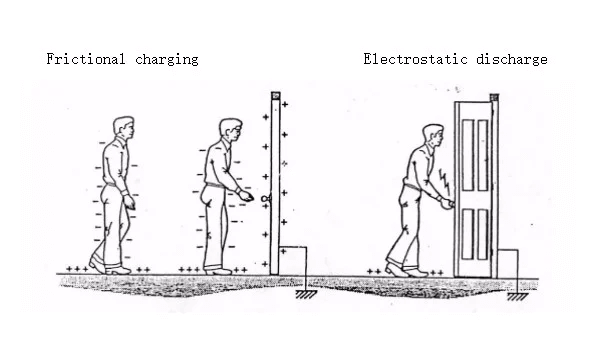
Figure 11. Electrostatic Shocks
Electrostatic shocks occur when stored charge on a material or surface is suddenly released into another object or the ground. The voltages involved in these discharges can be extremely high, often reaching several thousand volts, yet the total energy delivered remains very small. This explains why such shocks can be felt as sharp or startling but are generally harmless.
A defining feature of electrostatic discharges is their very short duration. The release of charge usually lasts only microseconds, which prevents large amounts of energy from being transferred. Although the voltage is high enough to ionize air and create a visible spark, the current involved is extremely low. As a result, the discharge produces more of a sensory effect than a physical hazard.
Voltage as Electrical Pressure
Voltage (electric potential) is the force that drives charges, comparable to water pressure pushing fluid through a pipe. It determines the strength of the electrical push and explains why static discharges can reach such high energy levels despite lasting only a brief moment.
Current as Flow of Charge
Amperage (current) is the actual flow of charges, comparable to the volume of water moving through a pipe. It reflects how much electric charge passes a point in a given time. In static discharges, the current is extremely small, which is why the shocks, though intense in sensation, remain harmless under normal conditions.
The human body also provides resistance that further limits current flow during such events. Combined with the short duration of the discharge, this ensures that static shocks, while noticeable, do not pose a real danger.
By contrast, exposure to electrical systems in homes or industries involves sustained current flow, which can be hazardous even at relatively low voltages. Continuous current has the potential to disrupt normal biological functions, including nerve activity and heart rhythm.
Electrostatics in Daily Life and Mitigation
Electrostatic effects are frequently observed in daily environments and can influence both comfort and safety. They arise when charges accumulate on materials and are suddenly released, often producing noticeable but typically harmless effects. In more sensitive contexts, however, these discharges may interfere with equipment or present safety risks, making mitigation measures important.
A common example of static buildup occurs in fabrics. Friction between garments, particularly in dryers, leads to charge transfer that causes clothing to cling together. Similarly, walking across a Static Electricity: Principles, Phenomena, and Applicationscarpeted floor can leave a person charged, resulting in a small shock when touching a conductive object. Such experiences illustrate the ease with which charges accumulate and discharge under ordinary conditions.
Static discharge can also affect electronic devices. Even very small sparks are capable of damaging sensitive internal components, which is why precautions are taken in laboratories, cleanrooms, and manufacturing facilities that handle microelectronics. Beyond domestic and technological settings, static buildup can become hazardous in industrial environments where flammable vapors, dusts, or fine particles are present. In such conditions, an apparently insignificant spark has the potential to ignite fires or explosions.
To limit these effects, several strategies are commonly employed:
Humidity Control
Raising ambient humidity reduces the likelihood of charge accumulation. Water vapor in the air allows charges to dissipate more readily across surfaces. The use of humidifiers or controlled ventilation is therefore an effective method for managing static in both homes and workplaces.
Material Selection
The choice of materials influences the degree of static buildup. Natural fibers such as cotton and wool generally accumulate less charge compared to synthetic fabrics. Similarly, footwear with leather soles tends to conduct charge away from the body, while rubber soles provide insulation that promotes buildup.
Antistatic Treatments
Chemical and physical treatments are widely used to manage static. Fabric softeners and dryer sheets coat fibers, reducing friction and limiting charge transfer. Antistatic sprays can be applied to textiles, furniture, or equipment surfaces to achieve a similar effect.
Grounding Methods
Discharging built-up charge to the ground is a practical method of prevention. This may involve intentionally touching grounded metal surfaces or using specialized equipment such as antistatic straps, mats, or flooring in workplaces handling electronic components. These measures provide controlled pathways for charge dissipation and reduce the likelihood of disruptive or damaging discharges.
Conclusion
Static electricity shows how simple charges can create powerful effects in your surroundings. It explains sparks, clinging clothes, and even the bright flash of lightning. At the same time, it has many useful applications in printing, cleaning, spraying, and packaging. By learning how it works and how to control it, you can better understand the invisible forces at play around you. Static electricity may be brief, but it connects science, daily life, and technology in surprising ways.
About us
ALLELCO LIMITED
Read more
Quick inquiry
Please send an inquiry, we will respond immediately.
Frequently Asked Questions [FAQ]
1. What causes static electricity?
Static electricity happens when electrons move from one material to another after contact or friction. This movement creates an imbalance of charge, making one object positive and the other negative. The imbalance creates the attraction or repulsion you notice in everyday life, like when your clothes stick together after drying.
2. Why do I get a shock when touching metal after walking on a carpet?
When you walk across a carpet, electrons transfer from the carpet to your body or the other way around. Your body becomes charged, and when you touch a metal doorknob, the built-up charge quickly discharges. The sudden release of energy causes the shock you feel, which may be sharp but is usually harmless.
3. How is static electricity used in technology?
Static electricity is used in many ways. Printers and copiers use it to transfer toner to paper. Electrostatic painting helps create smooth coatings on cars and appliances. It also powers dust filters that clean air, makes agricultural spraying more effective, and assists in packaging by holding materials together before sealing.
4. Can static electricity damage electronics?
Yes, even small sparks can harm sensitive electronics. A tiny discharge may be enough to damage internal circuits in devices like computers, phones, or lab equipment. This is why workplaces handling electronics use grounding straps, antistatic mats, and controlled environments to prevent damage.
5. How can I reduce static electricity at home?
You can reduce static electricity by raising indoor humidity with a humidifier, using natural fabrics like cotton, and applying antistatic sprays or fabric softeners. Wearing shoes with leather soles also helps. Touching grounded metal surfaces before handling electronics or delicate items is another simple way to discharge built-up static safely.

Achieving Peak Performance with the Maximum Power Transfer Theorem
on September 1th

Understanding the Power of the S-R Latch: A Gateway to Modern Electronics
on June 19th
Popular Posts
-

Complex Instruction Set Computers: How They Changed Computing?
on April 18th 147751
-

USB-C Pinout and Features
on April 18th 111924
-
Using Xilinx Unified Simulation Primitives: A Comprehensive Guide to FPGA Design and Simulation
on April 18th 111349
-

Power Supply Voltages in Electronics: Meaning of VCC, VDD, VEE, VSS, and GND
on April 18th 83714
-

RJ45 Connector Guide: Pinout, Wiring, Cable Types, and Uses
on January 1th 79502
-

The Ultimate Guide to Wire Color Codes in Modern Electrical Systems
The way our electrical systems use colors isn’t just for looks. Each wire color now indicates a specific function, making it easier to identify and handle electrical components correctly during ins...on January 1th 66872
-

Quality (Q) Factor: Equations and Applications
The quality factor, or 'Q', is important when checking how well inductors and resonators work in electronic systems that use radio frequencies (RF). 'Q' measures how well a circuit minimizes energy...on January 1th 63005
-
Purge Valve Guide: Function, Symptoms, Testing, and Replacement for Optimal Engine Performance
The purge valve is a key part of a car’s system that helps keep the air clean by managing fuel vapors before they can escape into the atmosphere. This not only helps the environment by reducing pol...on January 1th 62955
-
Achieving Peak Performance with the Maximum Power Transfer Theorem
The Maximum Power Transfer Theorem explains how energy from a source, such as a battery or generator, flows to a connected load. It shows the exact condition where the load receives the most power....on January 1th 54078
-

A23 Battery Specifications and Compatibility
The A23 battery is a small, cylinder-shaped battery with high voltage. Also called 23A, 23AE, or MN21, it runs at 12 volts and much higher than AA or AAA batteries. Its special design make...on January 1th 52092
HOT Part Number
-

AP2553FDC-7
Diodes Incorporated
IC PWR SWITCH P-CHANNEL 1:1 6DFN
REG1117FA-5.0/500
Texas Instruments
IC REG LIN 5V 1A DDPAK/TO263-3
DSPIC33CH64MP508-I/PT
Microchip Technology
IC MCU 16BIT 88KB FLASH 80TQFP
NVTFS5826NLWFTWG
onsemi
MOSFET N-CH 60V 7.6A 8WDFN
CL03C180JA3ANNC
Samsung Electro-Mechanics
CAP CER 18PF 25V C0G/NP0 0201
C1608X8R1H103M080AE
TDK Corporation
CAP CER 10000PF 50V X8R 0603
LTC1682IMS8-5#PBF
Analog Devices Inc.
IC REG CHARGE PUMP 5V 50MA 8MSOP
PXAS30KBA
Rochester Electronics, LLC
IC MCU 16BIT ROMLESS 68PLCC
C3216Y5V1C106Z
TDK Corporation
CAP CER 10UF 16V Y5V 1206
ADA4610-1ARZ-R7
Analog Devices Inc.
IC OPAMP JFET 1 CIRCUIT 8SOIC
BYM11-200-E3/97
Vishay General Semiconductor - Diodes Division
DIODE GEN PURP 200V 1A DO213AB
GRM2167U1H560JZ01D
Murata Electronics
CAP CER 56PF 50V U2J 0805
TOP258GN-TL
Power Integrations
IC OFFLINE SWITCH FLYBACK 8SMD
STM8S207RBT3
STMicroelectronics
IC MCU 8BIT 128KB FLASH 64LQFP
XC6701B502MR-G
Torex Semiconductor Ltd
IC REG LINEAR 5V 150MA SOT25
08053G104ZAT2A
AVX Corporation
CAP CER 0.1UF 25V Y5V 0805
BZM55B13-TR
Vishay General Semiconductor - Diodes Division
DIODE ZENER 13V 500MW MICROMELF
MCH5809-TL-E
onsemi
NCH+SBD 2.5V DRIVE SERIES -

BZD17C3V6P-E3-08
Vishay General Semiconductor - Diodes Division
DIODE ZENER 3.6V 800MW DO219AB
DSRHD06-13
Diodes Incorporated
BRIDGE RECT 1P 600V 1A T-MINIDIP
BCX54-16E6327
Infineon Technologies
SMALL SIGNAL BIPOLAR TRANSISTOR
AD9961BCPZ
Analog Devices Inc.
IC BROADBAND FRONT-END 72LFCSP
AT80C51RD2-RLRUM
Microchip Technology
IC MCU 8BIT ROMLESS 44VQFP
PHK31NQ03LT,518
Nexperia USA Inc.
MOSFET N-CH 30V 30.4A 8SO
1469002-1
TE Connectivity AMP Connectors
CONN HDR HIGH SPEED 120POS PCB
S5JHE3_A/I
Vishay General Semiconductor - Diodes Division
DIODE GEN PURP 600V 5A DO214AB
SCAN90004TVS
Texas Instruments
IC REDRIVER LVDS 4CH 48TQFP
CD4025BCN
onsemi
IC GATE NOR 3CH 3-INP 14DIP
2225HC332KAT1A
KYOCERA AVX
CAP CER 3300PF 3KV X7R 2225
MN63Y1208-E1
Panasonic Electronic Components
IC RFID READR/TRAN 13.56MZ 16QFN
06035C112JAT2A
KYOCERA AVX
CAP CER 1100PF 50V X7R 0603
LFE3-95EA-8LFN672I
Lattice Semiconductor Corporation
IC FPGA 380 I/O 672FPBGA
XBS053V13R-G
Torex Semiconductor Ltd
DIODE SCHOTTKY 20V 500MA SOD323A
GRM0335C2A6R5CA01J
Murata Electronics
CAP CER 6.5PF 100V C0G/NP0 0201
STW36N55M5
STMicroelectronics
MOSFET N-CH 550V 33A TO247
C1608C0G2A090D080AA
TDK Corporation
CAP CER 9PF 100V C0G 0603 -
GRM1886P1H4R8CZ01D
Murata Electronics
CAP CER 4.8PF 50V P2H 0603
M29W128FL70N6E
Micron Technology Inc.
IC FLASH 128MBIT PARALLEL 56TSOP
70MT100KB
Vishay General Semiconductor - Diodes Division
BRIDGE RECT 3PHASE 1KV 70A MTK
ADXL344ACCZ-RL7
Analog Devices Inc.
ACCEL 2-16G I2C/SPI 16LGA
BZX84C39-HE3-08
Vishay General Semiconductor - Diodes Division
DIODE ZENER 39V 300MW SOT23-3
1735447-7
TE Connectivity AMP Connectors
CONN RCPT HSG 7POS 2.00MM
1808AA150JAT1A
KYOCERA AVX
CAP CER 15PF 1KV NP0 1808
Z84C4106PEC
Zilog
IC INTERFACE SPECIALIZED 40DIP
GRM1555C1H7R4WZ01D
Murata Electronics
CAP CER 7.4PF 50V C0G/NP0 0402
BDCN-20-13+
Mini-Circuits
RF DIR COUPLER 360MHZ-1GHZ 6SMD
MCC19-14IO1B
IXYS
MOD THYRISTOR DUAL 1400V TO240AA
OP467GPZ
Analog Devices Inc.
IC OPAMP GP 4 CIRCUIT 14DIP
LA4636-E
Sanyo
11 WATT 2-CHANNEL BTL AF POWER A
P6KE82A-T
Diodes Incorporated
TVS DIODE 70.1VWM 113VC DO15
NCV7608DWR2G
onsemi
IC HALF BRIDGE DRIVER 28SOIC
TLJA227M004R1100
KYOCERA AVX
CAP TANT 220UF 20% 4V 1206
TUSB2136PM
Texas Instruments
IC USB HUB I/O CONTROL 64-LQFP
HUFA75637P3
onsemi
MOSFET N-CH 100V 44A TO220-3