Understanding Direct and Indirect Distribution for Electronic Components
Choosing the right distribution channel for electronic components can make a big difference in how easily customers can access your products. With different options available, including direct sales and third-party suppliers, it’s important to find a strategy that balances cost, efficiency, and market reach. Digital platforms, supply chain improvements, and compliance regulations also play a role in shaping distribution methods. Understanding current trends, common challenges, and the benefits of a flexible approach can help you build a stronger distribution plan. This article covers key factors in selecting a distribution strategy, recent developments in the industry, and practical solutions to common issues. By the end, you’ll have a clear understanding of how to create a smooth and reliable distribution process.Catalog

Figure 1. Choosing the Best Distribution Channel for Electronic Components
Key Factors for Engineers When Choosing a Distribution Channel
Selecting the right distributor and distribution channel makes it easier for your target customers to access your electronic components. To do this effectively, it helps to understand what engineers look for when choosing a distributor. Here are some of the main factors they consider:
| Criteria | Recommended Actions for Assurance |
| Quality Assurance | Ask about the distributor’s quality control procedures and certifications, such as ISO 9001 or ERAI, to ensure they follow industry standards. Check if they conduct regular inspections and testing to maintain consistent product quality. |
| Authenticity Guarantee | Confirm that the distributor sources components directly from trusted manufacturers or authorized supply chains. Look for transparency in their sourcing process and verify if they offer certificates of authenticity or anti-counterfeit measures. |
| Inventory and Availability | Review the distributor’s current stock levels and how quickly they can fulfill orders. Ensure they have a reliable supply chain with minimal risk of shortages or long lead times that could delay your project. |
| Pricing and Payment Terms | Compare the pricing structures of multiple distributors to find the most cost-effective option. Look for volume discounts, flexible payment terms, and additional fees such as shipping and handling costs to avoid unexpected expenses. |
| Geographical Coverage and Logistics | Assess whether the distributor can efficiently deliver products to your location, especially if international shipping is required. Consider their partnerships with shipping providers, estimated delivery times, and whether they offer expedited shipping for urgent orders. |
| Industry Experience and Expertise | Choose a distributor with experience in your specific industry or application area. A knowledgeable distributor can provide better recommendations, technical support, and insights into market trends that can help you make informed purchasing decisions. |
Since engineers rely on easy access to clear, reliable information, your product marketing strategy should align with their preferences. This means ensuring your components are listed where engineers typically search, along with the necessary details they need to make informed decisions. Connecting them with the right distribution channel will improve their purchasing experience and help your products reach the right audience.
Types of Distribution Channels for Electronic Components

Figure 2. Direct vs. Indirect Distribution Channels
Direct Distribution: Selling Components Without Intermediaries
Direct distribution means selling electronic components straight to the buyer without any middlemen. This approach is best when buyers need bulk orders, specialized components, or a direct relationship with the source.
Selling Directly to End-Users
Some companies buy components in large quantities for their own production. This works well for businesses that need specific components to match their designs and performance standards. For example, a telecom company building high-speed data centers might buy processors directly from a chip manufacturer to ensure performance and compatibility.
Supplying Components to Product Makers
When components are needed as part of a larger product, they often go straight from the source to the company making the final product. This is common in industries like automotive, aerospace, and medical technology. For example, a company that makes electric vehicles may buy capacitors directly from a supplier to meet precise technical requirements.
Indirect Distribution: Using Third-Party Suppliers
Indirect distribution involves purchasing components through a third-party supplier, who acts as a bridge between the source and the buyer. This method is more flexible, providing access to a wide range of components, support services, and manageable order sizes.
Bulk Suppliers and Their Role
Suppliers purchase large quantities of components and resell them to businesses in smaller amounts. This is useful when buyers need different types of components from multiple sources, as it simplifies the purchasing process. Many suppliers also offer services like inventory management and technical support, making it easier for buyers to plan their production needs.
Value-Added Resellers (VARs) and Custom Solutions
Some suppliers go beyond just selling components by offering additional services. They may create custom kits, handle product assembly, or provide technical modifications. For example, a company that sells DIY electronics kits might work with a supplier who pre-packages all the necessary components and includes detailed assembly guides.
Choosing between direct and indirect distribution depends on factors like order volume, customization needs, and the level of support required. Some businesses even use a mix of both methods to get the best of both worlds—direct purchasing for core components and indirect purchasing for flexibility and convenience.
Latest Trends in Electronic Component Distribution
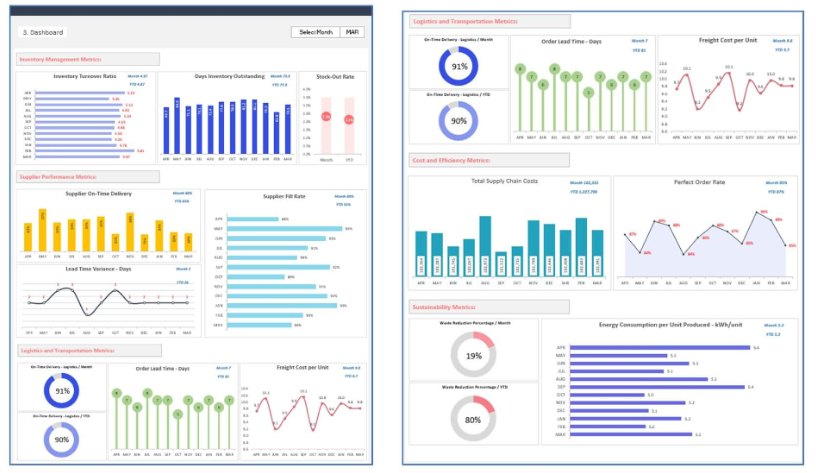
Figure 3. Digital Innovations in Component Distribution
Online Marketplaces and Digital Procurement
More businesses are using online platforms to buy electronic components. These marketplaces bring multiple suppliers together, making it easier to compare prices, check stock, and place orders instantly. Digital procurement speeds up the buying process and provides more choices in one place.
Smarter Inventory Management
Keeping the right balance of stock is becoming easier with better forecasting tools. Businesses now use data-driven systems to track demand and adjust inventory levels. This helps avoid running out of key components or holding onto excess stock that takes up space.
Real-Time Tracking and Transparency
More companies want better visibility into their supply chains. With real-time tracking, you can see where your components are at every stage of the journey. Technologies like blockchain and IoT make it easier to follow shipments and avoid delays.
Sustainable and Ethical Sourcing
Sustainability is becoming a bigger focus in component sourcing. Many businesses are choosing parts made with eco-friendly materials or from responsible sources. This helps reduce waste and ensures compliance with environmental regulations.
Hybrid Distribution Models
A mix of direct and indirect sourcing is becoming more common. Some businesses buy key components from original sources while using third-party suppliers for additional parts. This approach helps balance cost, availability, and flexibility.
Regulations and Compliance in Electronic Component Distribution
Following regulations helps ensure that electronic components meet safety and quality standards. These rules prevent counterfeit products, control hazardous materials, and regulate how components are shipped and sold. Staying compliant protects businesses from legal issues and builds trust with customers.
One major concern is preventing counterfeit parts. Industries like aerospace, healthcare, and automotive rely on certified components to maintain performance and safety. Regulations such as the Anti-Counterfeiting Trade Agreement (ACTA) and industry-specific guidelines help keep fake or low-quality parts out of the market. Choosing trusted suppliers with proper documentation helps reduce this risk.
Environmental laws also play a big role in component distribution. Rules like the Restriction of Hazardous Substances (RoHS) and the Waste Electrical and Electronic Equipment (WEEE) directive limit harmful materials like lead and mercury. Following these guidelines helps businesses avoid penalties and support eco-friendly practices.
Trade regulations affect how components move across borders. Some parts require special approvals or are restricted in certain regions. Laws like the International Traffic in Arms Regulations (ITAR) and Export Administration Regulations (EAR) control the sale of sensitive technology, especially in defense and aerospace. Understanding these rules helps prevent shipping delays and legal complications.
Keeping accurate records and proper labeling makes compliance easier. Many regulations require details on a component’s origin, materials, and testing certifications. Clear labeling ensures products meet industry standards and simplifies customs inspections.
Since rules change over time, businesses need to stay updated. Many companies use compliance experts or software to track regulation updates and make sure their products meet current requirements. Following these regulations not only avoids legal trouble but also helps create a more reliable supply chain.
How to Choose the Right Distribution Strategy for Your Business
Selecting the best way to distribute your electronic components depends on factors like cost, market reach, and the needs of your customers. A well-thought-out strategy ensures that your products are available when and where they are needed while keeping distribution efficient and cost-effective. Whether you sell directly, through third-party suppliers, or use a combination of both, the right approach can improve customer satisfaction and business growth.
Comparing Costs and Efficiency of Different Distribution Models
The cost of distribution goes beyond the price of shipping. Storage, handling, and order fulfillment all add up. Selling directly can save on extra fees, but managing logistics in-house can be challenging. On the other hand, working with third-party suppliers can simplify the process by handling bulk shipments, warehousing, and global delivery. Comparing these costs helps you find a balance between affordability and efficiency.
Choosing the right method also depends on the size of your orders and the type of products you sell. Large orders may be easier to handle directly, while smaller, more frequent orders might be better managed through an established supplier network. Evaluating these factors can help you create a distribution plan that fits your business needs.
Advantages of a Hybrid Approach for Greater Flexibility

Figure 4. Hybrid Distribution Network Illustration
A hybrid strategy combines direct and third-party distribution, giving you more flexibility. This approach allows you to handle key accounts directly while using external channels to manage smaller or less predictable orders. For example, a company that supplies electronic components for automotive applications might work directly with large car manufacturers while using a third party to reach smaller businesses in other industries.
This method helps balance cost, efficiency, and customer demand. It also provides a backup plan in case of supply chain disruptions. If one channel faces delays, you can rely on the other to keep products flowing to customers.
Expanding Market Reach and Improving Delivery Efficiency
How well your products reach customers affects sales and overall business success. A strong distribution strategy ensures that customers can get the components they need without delays or complications. Digital platforms and online marketplaces have made it easier to connect with a wider audience, allowing businesses to serve both large and small buyers efficiently.
Having multiple distribution options improves reliability. If one region faces supply chain issues, alternative channels can keep sales moving. Planning for these challenges helps maintain steady growth and a positive customer experience.
Common Challenges in Electronic Component Distribution and How to Overcome Them
Navigating the distribution of electronic components involves addressing several key challenges to ensure a smooth supply chain and meet customer demands effectively. Understanding these obstacles and implementing strategic solutions can significantly enhance operational efficiency.
Managing Supply Chain Disruptions and Fluctuations in Demand
Supply chain disruptions and unpredictable demand are significant hurdles in electronic component distribution. Factors such as natural disasters, geopolitical tensions, and economic fluctuations can interrupt the flow of materials, leading to delays and shortages. Additionally, rapid technological advancements often result in sudden shifts in demand, making it challenging to maintain optimal inventory levels.
To mitigate these issues, adopting proactive strategies is essential. Implementing automation in the global supply chain can enhance responsiveness to changes in consumer demand. Upgrading machinery and infrastructure ensures alignment with the evolving semiconductor industry, enabling quicker adaptation to market shifts. Furthermore, establishing strong relationships with multiple suppliers can provide alternative sourcing options during unforeseen disruptions.
Addressing Sourcing Issues and Avoiding Counterfeit Parts
Sourcing authentic electronic components is crucial for maintaining product integrity. The prevalence of counterfeit parts poses risks such as system failures and safety hazards. Identifying counterfeit components can be challenging, as they often closely resemble genuine parts.
To combat this, partnering with authorized and reputable suppliers is vital. Utilizing real-time component availability data helps in making informed purchasing decisions, reducing reliance on potentially unreliable sources. Additionally, implementing stringent quality control measures, including thorough inspections and testing, can detect counterfeit items before they enter the production process.
By proactively addressing these challenges through strategic planning, technological investment, and robust supplier relationships, businesses can enhance the resilience and reliability of their electronic component distribution processes.
Conclusion
Choosing the right distribution strategy helps ensure your electronic components reach the right customers efficiently and cost-effectively. By understanding different distribution models, staying updated on market trends, and planning for potential challenges, you can build a reliable and flexible supply chain. Whether you use direct sales, third-party suppliers, or a hybrid approach, the key is to balance cost, availability, and customer needs. With the right strategy in place, you can improve efficiency, reduce risks, and grow your business successfully.
About us
ALLELCO LIMITED
Read more
Quick inquiry
Please send an inquiry, we will respond immediately.
Frequently Asked Questions [FAQ]
1. How do I choose between direct and indirect distribution?
It depends on your needs. Direct distribution gives you more control over sales and relationships, while indirect distribution offers convenience and wider market reach. Many businesses use both to balance cost, efficiency, and customer demand.
2. What are the biggest challenges in electronic component distribution?
Some common challenges include supply chain disruptions, fluctuating demand, and sourcing reliable components. Planning ahead, using multiple suppliers, and keeping track of inventory can help reduce these risks.
3. How can I avoid counterfeit electronic components?
Buying from authorized and trusted sources is the best way to prevent counterfeit parts. Checking certifications, verifying supplier credentials, and using quality control measures can also help ensure authenticity.
4. What factors should I consider when selecting a distribution partner?
Look at their inventory levels, pricing, delivery speed, and customer support. It’s also important to check if they have experience with your type of products and offer reliable sourcing options.
5. How can I make my distribution strategy more flexible?
A mix of direct and third-party sales can help. Using digital tools, real-time inventory tracking, and multiple sourcing options allows you to adjust to market changes and keep products available when needed.
LCMXO2280C-3TN100C FPGA: Features, Specifications, Applications and Datasheet
on March 18th
H6 vs H7 Battery: Key Differences, Performance, and Best Choice for Your Vehicle
on March 17th
Popular Posts
-

Complex Instruction Set Computers: How They Changed Computing?
on April 18th 147749
-

USB-C Pinout and Features
on April 18th 111904
-
Using Xilinx Unified Simulation Primitives: A Comprehensive Guide to FPGA Design and Simulation
on April 18th 111349
-

Power Supply Voltages in Electronics: Meaning of VCC, VDD, VEE, VSS, and GND
on April 18th 83714
-

RJ45 Connector Guide: Pinout, Wiring, Cable Types, and Uses
on January 1th 79502
-

The Ultimate Guide to Wire Color Codes in Modern Electrical Systems
The way our electrical systems use colors isn’t just for looks. Each wire color now indicates a specific function, making it easier to identify and handle electrical components correctly during ins...on January 1th 66869
-

Quality (Q) Factor: Equations and Applications
The quality factor, or 'Q', is important when checking how well inductors and resonators work in electronic systems that use radio frequencies (RF). 'Q' measures how well a circuit minimizes energy...on January 1th 63004
-
Purge Valve Guide: Function, Symptoms, Testing, and Replacement for Optimal Engine Performance
The purge valve is a key part of a car’s system that helps keep the air clean by managing fuel vapors before they can escape into the atmosphere. This not only helps the environment by reducing pol...on January 1th 62942
-

Achieving Peak Performance with the Maximum Power Transfer Theorem
The Maximum Power Transfer Theorem explains how energy from a source, such as a battery or generator, flows to a connected load. It shows the exact condition where the load receives the most power....on January 1th 54076
-

A23 Battery Specifications and Compatibility
The A23 battery is a small, cylinder-shaped battery with high voltage. Also called 23A, 23AE, or MN21, it runs at 12 volts and much higher than AA or AAA batteries. Its special design make...on January 1th 52087
HOT Part Number
-
LTC4063EDD#TRPBF
Analog Devices Inc.
IC BATT CHG LI-ION 1CELL 10DFN
MIMX8MM1CVTKZAA
NXP USA Inc.
IC MPU I.MX 8M MINI SOLOLITE
APDS-9005-020
Broadcom Limited
SENSOR OPT 500NM AMB 6CHIPLED
06031A820KAT2A
KYOCERA AVX
CAP CER 82PF 100V C0G/NP0 0603
ICM-20602
TDK InvenSense
IMU ACCEL/GYRO/TEMP I2C/SPI LGA
170M4611
Eaton - Bussmann Electrical Division
FUSE SQUARE 350A 700VAC RECT
08053C105JAZ2A
KYOCERA AVX
CAP CER 1UF 25V X7R 0805
EP1C12F324C6N
Intel
IC FPGA 249 I/O 324FBGA
2SC4617T1G
onsemi
TRANS NPN 50V 0.1A SC75 SOT416
TL431AILPRAG
onsemi
IC VREF SHUNT ADJ 1% TO92-3
ADAU1787BCBZRL
Analog Devices Inc.
4 ADC, 2 DAC LOW POWER CODEC, AU
74VHC164MTCX
onsemi
IC SHIFT REGISTER 8BIT 14TSSOP
DAN222M3T5G
onsemi
DIODE ARRAY GP 80V 100MA SOT723
NR3015T470M
Taiyo Yuden
FIXED IND 47UH 300MA 1.608OHM SM
MM3Z18VC
onsemi
DIODE ZENER 18V 200MW SOD323F
1N4001W
Rectron USA
DIODE GEN 1A 50V SOD-123F
SMBJ90A
Taiwan Semiconductor Corporation
TVS DIODE 90VWM 146VC DO214AA
NTA1215MC
Murata Power Solutions Inc.
DC DC CONVERTER +/-15V 1W -
SDR1307-101KL
Bourns Inc.
FIXED IND 100UH 1.9A 180MOHM SMD
AOT5B65M1
Alpha & Omega Semiconductor Inc.
IGBT 650V 5A TO220
STP16CP596B1R
STMicroelectronics
IC LED DRIVER LINEAR 50MA 24DIP
AD7895ANZ-2
Analog Devices Inc.
IC ADC 12BIT SAR 8DIP
MURB1620CTT4G
onsemi
DIODE ARRAY GP 200V 8A D2PAK
STGIPS30C60T-H
STMicroelectronics
MOD IPM SLLIMM 30A 600V 25SDIP
IXDN604SIA
IXYS Integrated Circuits Division
IC GATE DRVR LOW-SIDE 8SOIC
CY7C63743-SC
Infineon Technologies
IC MCU 8K LS USB/PS-2 24-SOIC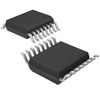
U2745B-MFBG3
Microchip Technology
RF TX IC UHF 310-440MHZ 16LSSOP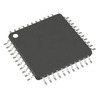
DSPIC30F4013T-30I/PT
Microchip Technology
IC MCU 16BIT 48KB FLASH 44TQFP
ADF4106BRUZ-RL
Analog Devices Inc.
IC CLK/FREQ SYNTH 16TSSOP
EL8403IS
Elantec
IC OPAMP GP 4 CIRCUIT 14SOIC
8A35001B-001AJG
Renesas Electronics America Inc
NETWORK TIMING
GRM0337U1HR90BD01D
Murata Electronics
CAP CER 0.9PF 50V U2J 0201
LT1356CS#PBF
Analog Devices Inc.
IC VOLTAGE FEEDBACK 2 CIRC 16SO
AON7280
Alpha & Omega Semiconductor Inc.
MOSFET N-CH 80V 20A/50A 8DFN
IRLI540N
Infineon Technologies
MOSFET N-CH 100V 23A TO220AB FP
VI-J6Z-MZ
Vicor Corporation
VI-J6Z-MZ 300V 2V 5A -
LMH6722MA
Texas Instruments
IC AMP CURRENT FEEDBACK 14SOIC
HZM6.8Z4MWATL-E
Renesas Electronics America Inc
TVS DIODE 3.5VWM 3MPAK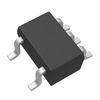
LM4041DIM7-1.2
Texas Instruments
IC VREF SHUNT 1% SC70-5
RT6200GE
Richtek USA Inc.
IC REG BUCK ADJ 600MA SOT23-6
R5F21274SNFP#X6
Renesas Electronics America Inc
IC MCU 16BIT 16KB FLASH 32LQFP
1N5227B
onsemi
DIODE ZENER 3.6V 500MW DO35
12102C472JAT2A
KYOCERA AVX
CAP CER 4700PF 200V X7R 1210
PZTA64
Fairchild Semiconductor
SMALL SIGNAL BIPOLAR TRANSISTOR,
XC1765ELSO8C
AMD
IC PROM SER C-TEMP 3.3V 8-SOIC
XR88C92CJ-F
MaxLinear, Inc.
IC UART FIFO DUAL 44PLCC
RT24C2X202
Bourns, Inc.
TRIMMER 2K OHM 0.75W PC PIN SIDE
DLW31SN900SQ2L
Murata Electronics
CMC 370MA 2LN 90 OHM SMD
LMK432F476ZM-T
Taiyo Yuden
CAP CER 47UF 10V Y5V 1812
MOC207R1VM
onsemi
OPTOISO 2.5KV TRANS W/BASE 8SOIC
GRM0335C1E390JD01D
Murata Electronics
CAP CER 39PF 25V C0G/NP0 0201
SE10PG-M3/84A
Vishay General Semiconductor - Diodes Division
DIODE GEN PURP 400V 1A DO220AA
RABS15M REG
Taiwan Semiconductor Corporation
BRIDGE RECT 1P 1KV 1.5A ABS-L
PI74LPT16245AEX
Diodes Incorporated
IC TXRX NON-INVERT 3.6V 48TSSOP