EV Powertrain Explained: How It Works, Components, Types, and Applications
When you drive an electric vehicle (EV), the powertrain is the system that turns electrical energy into motion. In this article, you will learn what an EV powertrain is, how it works, and the key parts that make it run efficiently. You will also understand the difference between 400V and 800V systems and how they affect performance and charging. In addition, you will explore the different types of EV powertrains, along with their benefits, limits, and common uses.Catalog
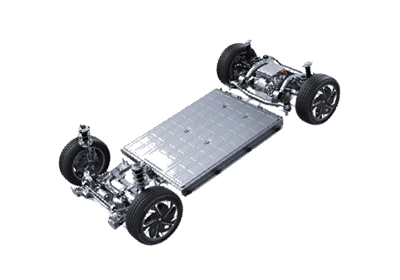
Figure 1. EV Powertrain System Overview
What Is an EV Powertrain?
An EV powertrain is the system that converts electrical energy into mechanical motion to drive a vehicle. It serves as the core mechanism responsible for propulsion in electric vehicles. Instead of relying on fuel combustion, it uses stored electrical energy to generate movement efficiently. The EV powertrain ensures smooth acceleration, controlled speed, and reliable vehicle operation. It is designed to deliver power directly to the wheels with minimal energy loss. Its primary purpose is to enable clean, efficient, and responsive driving performance.
How an EV Powertrain Works?

Figure 2. EV Powertrain Working Principle
An EV powertrain works by transferring stored electrical energy into usable motion through a controlled energy flow process. The energy begins as direct current stored in the battery and is regulated before being converted into a form suitable for driving motion. This conversion allows the system to deliver precise power based on driver input. As the energy moves through the system, it is continuously adjusted to match speed and torque requirements.
The converted energy is then used to create rotational force that turns the vehicle’s wheels. Control systems manage this process to ensure smooth acceleration and efficient operation. During deceleration, some of the motion energy can be redirected back into the system to improve overall efficiency. This continuous energy flow enables consistent vehicle performance under different driving conditions.
Components of an EV Powertrain
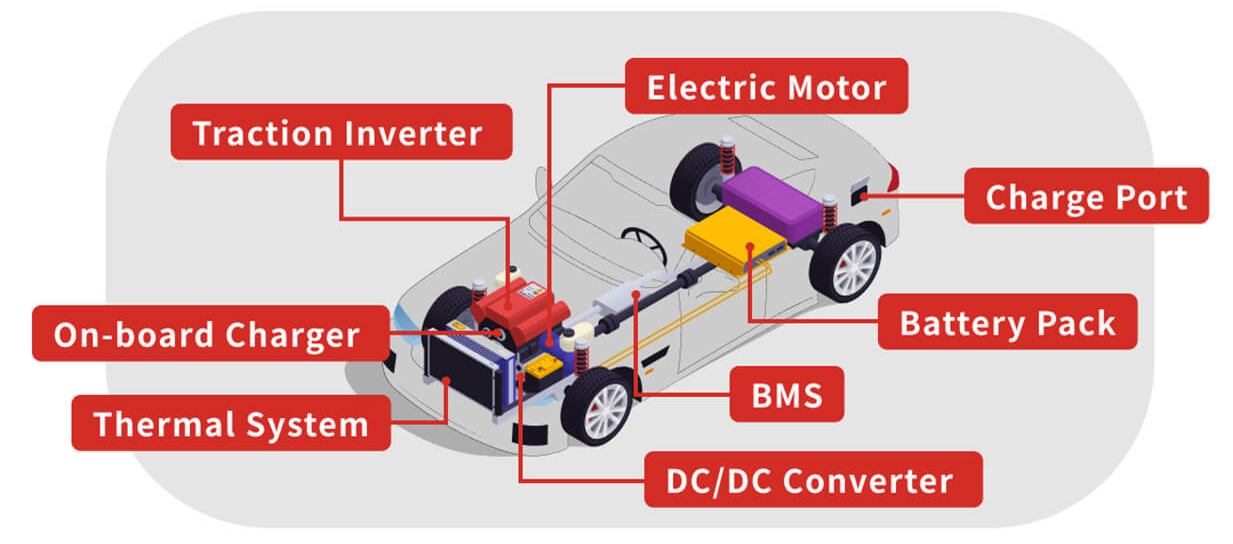
Figure 3. EV Powertrain Components Diagram
• Battery Pack
The battery pack stores electrical energy used to power the vehicle. It is usually made of multiple lithium-ion cells arranged for high capacity and voltage. This component acts as the main energy source for propulsion. It also supports consistent power delivery during different driving conditions.
• Electric Motor
The electric motor converts electrical energy into mechanical motion. It produces torque that directly drives the wheels. This component enables smooth and instant acceleration. It operates with high efficiency compared to traditional systems.
• Traction Inverter
The inverter converts direct current (DC) from the battery into alternating current (AC). This conversion is required for the motor to function properly. It also controls motor speed and torque output. The inverter plays a key role in optimizing performance.
• Battery Management System (BMS)
The BMS monitors and manages the battery’s health and performance. It ensures safe charging and discharging of the battery cells. This system prevents overheating and overvoltage conditions. It also helps extend battery lifespan.
• DC/DC Converter
The DC/DC converter adjusts voltage levels for auxiliary systems. It converts high-voltage battery power into lower voltage for electronics. This ensures stable operation of onboard systems. It supports lighting, infotainment, and control units.
• On-board Charger
The on-board charger converts external AC power into DC for battery charging. It allows the vehicle to connect to standard charging sources. This component manages charging speed and safety. It ensures efficient energy transfer during charging.
• Thermal Management System
This system regulates the temperature of key components. It prevents overheating during operation and charging. Proper temperature control improves efficiency and reliability. It also helps maintain consistent performance.
• Transmission (Reduction Gear)
The transmission transfers motor power to the wheels. It adjusts speed and torque through gear reduction. This component ensures smooth power delivery. It is typically simpler than traditional gear systems.
400V vs. 800V Powertrain Architecture
A 400V and 800V powertrain architecture refers to the voltage level used in an electric vehicle system. These architectures define how electrical energy is distributed and utilized within the vehicle. A 400V system is the traditional standard used in many EVs, while an 800V system represents a higher-voltage design for improved performance. The main difference lies in how efficiently power is delivered and managed. Higher voltage systems reduce current requirements for the same power output. This directly impacts charging speed and overall system efficiency.
An 800V architecture enables faster charging because it can handle higher power levels with less heat loss. It also improves efficiency by reducing electrical resistance in the system. In contrast, 400V systems are more widely available and cost-effective. Vehicles using 800V systems often achieve better performance and reduced energy loss during operation. However, they may require more advanced components and infrastructure. Both architectures are designed to meet different performance and cost requirements in EV design.
Types of EV Powertrains
Hybrid Electric Vehicles (HEV)

Figure 4. HEV Powertrain Configuration Diagram
A Hybrid Electric Vehicle (HEV) uses both an internal combustion engine and an electric motor to power the vehicle. It does not require external charging because the battery is charged internally during operation. The system combines two energy sources to improve overall efficiency. The electric motor assists the engine during acceleration and low-speed driving. The engine provides additional power when needed, especially at higher speeds. The integrated layout shows how both systems work together within the vehicle. This type of powertrain is commonly used to balance fuel efficiency and performance.
Plug-in Hybrid Electric Vehicles (PHEV)
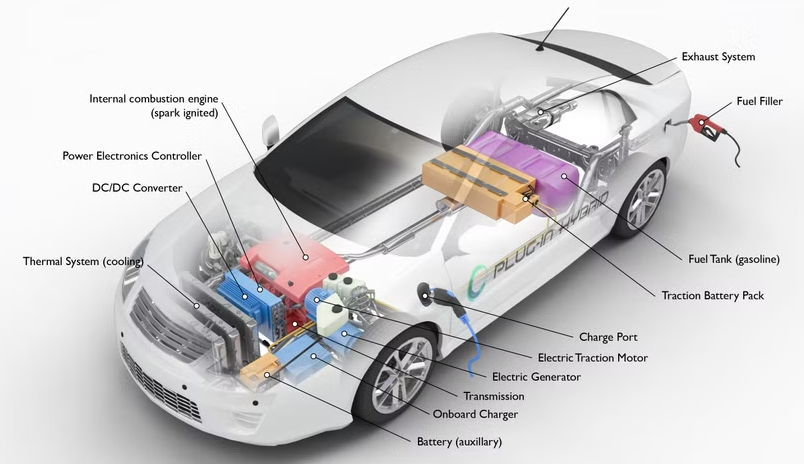
Figure 5. PHEV Powertrain Configuration Diagram
A Plug-in Hybrid Electric Vehicle (PHEV) combines an internal combustion engine with a rechargeable battery system. Unlike standard hybrids, it can be charged using an external power source. This allows the vehicle to operate in electric mode for short distances. The engine is used when the battery energy is low or additional power is needed. The system design highlights both charging capability and dual power sources. It offers flexibility in how energy is used during driving. This type of powertrain supports both electric driving and extended range operation.
Battery Electric Vehicles (BEV)
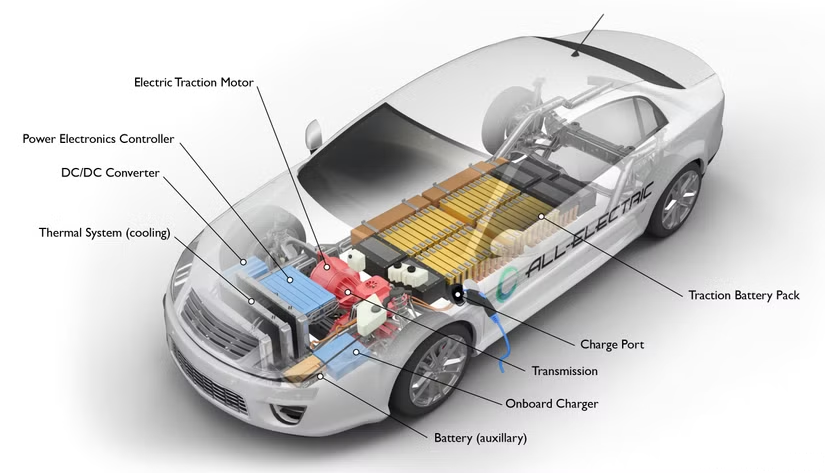
Figure 6. BEV Powertrain Configuration Diagram
A Battery Electric Vehicle (BEV) is powered entirely by electrical energy stored in a battery pack. It does not use an internal combustion engine or fuel-based system. The vehicle relies solely on electric motors for propulsion. The layout clearly shows the absence of fuel components. Energy is supplied directly from the battery to drive the wheels. This type of powertrain is designed for fully electric operation. It represents the most direct form of electric mobility.
Fuel Cell Electric Vehicles (FCEV)
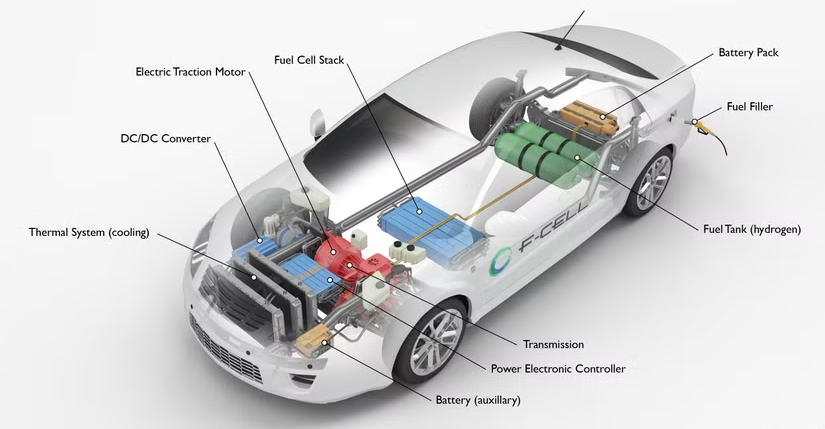
Figure 7. FCEV Powertrain Configuration Diagram
A Fuel Cell Electric Vehicle (FCEV) generates electricity using hydrogen fuel instead of storing it in large batteries. It uses a fuel cell stack to produce electrical energy that powers the motor. Hydrogen is stored in onboard tanks and supplied to the system as needed. The diagram shows how the fuel cell integrates with other electrical components. The system continuously generates electricity during operation. This type of powertrain focuses on on-demand energy generation. It enables electric driving without relying solely on battery storage.
Extended-Range Electric Vehicles (EREV)
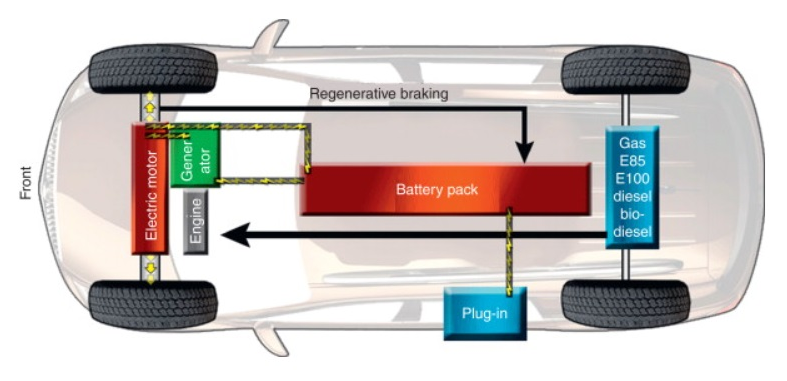
Figure 8. EREV Powertrain Configuration Diagram
An Extended-Range Electric Vehicle (EREV) is primarily driven by an electric motor with support from a secondary generator. The vehicle operates mostly on battery power during normal driving. When the battery level becomes low, the generator produces electricity to extend driving range. The system layout shows a clear separation between propulsion and energy generation. The generator does not directly drive the wheels. Instead, it supplies electrical energy to maintain operation. This type of powertrain ensures longer travel without relying entirely on charging.
EV Powertrain vs Internal Combustion Engine (ICE) Powertrain
|
Aspect |
EV Powertrain |
ICE Powertrain |
|
Energy Source |
Battery
electricity (typically 300–800 V systems) |
Gasoline or
diesel (energy density ~12,000 Wh/kg) |
|
Core Mechanism |
Electric motor
(90–97% efficiency) |
Internal
combustion engine (20–40% efficiency) |
|
Emissions |
0 g/km tailpipe
CO₂ |
~100–250 g/km
CO₂ (typical passenger vehicles) |
|
Moving Parts |
~20–30 moving
parts in drivetrain |
~200–2,000
moving parts in engine system |
|
Energy
Efficiency |
~85–90%
drivetrain efficiency |
~25–35%
drivetrain efficiency |
|
Noise Level |
~50–60 dB during
operation |
~70–90 dB
depending on engine load |
|
Maintenance
Interval |
Fewer service
items; no oil changes |
регуляр oil
changes every ~5,000–10,000 km |
|
Energy
Conversion |
Electrical →
mechanical (direct drive) |
Chemical →
thermal → mechanical (multi-stage loss) |
|
Transmission |
Single-speed
reduction gear (ratio ~8:1–10:1) |
Multi-speed
gearbox (5–10 gears typical) |
|
Startup Time |
Instant torque
(0 ms delay) |
Engine start
delay ~0.5–2 seconds |
|
Heat Loss |
~10–15% energy
lost as heat |
~60–75% energy
lost as heat |
|
Fuel System |
No fuel tank or
injection system |
Fuel tank, pump,
injectors required |
|
Regenerative
Braking |
Recovers ~10–30%
energy |
No energy
recovery |
|
Control System |
Fully electronic
(ECU + power electronics) |
Mechanical +
electronic engine control |
|
Refueling /
Charging Time |
20–40 min (fast
charge), 6–12 hrs (AC) |
3–5 minutes
refueling |
Advantages of EV Powertrains
• High energy efficiency with minimal losses
• Low maintenance due to fewer moving parts
• Zero tailpipe emissions during operation
• Smooth and quiet driving experience
• Instant torque for quick acceleration
• Reduced dependency on fossil fuels
Limitations of EV Powertrains
• High battery cost
• Limited driving range in some models
• Longer charging time compared to refueling
• Charging infrastructure availability varies
• Battery degradation over time
• Heavier energy storage systems
Applications of EV Powertrains
1. Passenger Vehicles - EV powertrains are widely used in cars for personal transportation. They provide clean and efficient mobility for daily commuting. These systems help reduce urban emissions and noise pollution. Many adopting EV platforms for modern vehicles. This application plays a major role in sustainable transportation.
2. Public Transportation - Electric buses and transit systems use EV powertrains for city transport. They reduce fuel consumption and improve air quality in urban areas. These vehicles operate efficiently in stop-and-go traffic conditions. This application supports large-scale environmental goals.
3. Commercial Vehicles - Delivery vans and trucks use EV powertrains for logistics and goods transport. They offer lower operating costs over time. These systems are ideal for short-distance and urban deliveries. This application improves efficiency in supply chains.
4. Industrial Equipment - EV powertrains are used in forklifts and warehouse machinery. They provide reliable and quiet operation in indoor environments. These systems reduce emissions in confined spaces. They also improve operational safety and efficiency. This application is important in modern industries.
5. Two-Wheelers and Micro-Mobility - Electric scooters and motorcycles use compact EV powertrains. They are suitable for short-distance travel and urban mobility. These vehicles are energy-efficient and easy to maintain. They support last-mile transportation solutions. This application is growing rapidly in cities.
6. Off-Highway and Specialized Vehicles - EV powertrains are used in mining vehicles, agricultural machines, and construction equipment. They improve efficiency in demanding environments. These systems reduce fuel dependency and emissions. They also support automation and advanced control systems. This application expands EV use beyond standard roads.
Conclusion
EV powertrains offer a clean and efficient way to power vehicles using electricity instead of fuel. They use key components like the battery, motor, and control systems to deliver smooth performance. Different designs and types allow flexibility based on cost, range, and efficiency needs. While there are some challenges, their use continues to grow in many applications. EV powertrains play an important role in modern transportation.
About us
ALLELCO LIMITED
Read more
Quick inquiry
Please send an inquiry, we will respond immediately.
Frequently Asked Questions [FAQ]
1. Does an EV powertrain need regular maintenance?
Yes, but it usually needs less maintenance than an ICE powertrain. Common checks include coolant, software updates, drive components, and battery system health.
2. Can an EV powertrain work in very hot or cold weather?
Yes, EV powertrains are designed to operate in different temperatures. However, extreme heat or cold can affect battery efficiency, charging speed, and driving range.
3. What happens if an EV powertrain overheats?
The vehicle control system usually reduces power to protect key components. Thermal management systems help prevent damage by cooling the battery, motor, and electronics.
4. Can an EV powertrain tow heavy loads?
Some EV powertrains can tow well because electric motors provide strong low-speed torque. Actual towing ability depends on the vehicle design, battery size, cooling system, and chassis strength.
5. Do software updates improve EV powertrain performance?
Yes, software updates can improve how the motor, battery, and control systems work together. They may enhance efficiency, charging behavior, thermal control, or driving response.
Silicon Photonics Explained: How It Works, Components, Integration, and Applications
on April 11th
Switching Voltage Regulator Explained: Working, Types and Applications
on April 10th
Popular Posts
-

Complex Instruction Set Computers: How They Changed Computing?
on April 17th 147712
-

USB-C Pinout and Features
on April 17th 111689
-
Using Xilinx Unified Simulation Primitives: A Comprehensive Guide to FPGA Design and Simulation
on April 17th 111316
-

Power Supply Voltages in Electronics: Meaning of VCC, VDD, VEE, VSS, and GND
on April 17th 83587
-

RJ45 Connector Guide: Pinout, Wiring, Cable Types, and Uses
on January 1th 79238
-

The Ultimate Guide to Wire Color Codes in Modern Electrical Systems
The way our electrical systems use colors isn’t just for looks. Each wire color now indicates a specific function, making it easier to identify and handle electrical components correctly during ins...on January 1th 66756
-

Quality (Q) Factor: Equations and Applications
The quality factor, or 'Q', is important when checking how well inductors and resonators work in electronic systems that use radio frequencies (RF). 'Q' measures how well a circuit minimizes energy...on January 1th 62931
-
Purge Valve Guide: Function, Symptoms, Testing, and Replacement for Optimal Engine Performance
The purge valve is a key part of a car’s system that helps keep the air clean by managing fuel vapors before they can escape into the atmosphere. This not only helps the environment by reducing pol...on January 1th 62804
-

Achieving Peak Performance with the Maximum Power Transfer Theorem
The Maximum Power Transfer Theorem explains how energy from a source, such as a battery or generator, flows to a connected load. It shows the exact condition where the load receives the most power....on January 1th 54025
-

A23 Battery Specifications and Compatibility
The A23 battery is a small, cylinder-shaped battery with high voltage. Also called 23A, 23AE, or MN21, it runs at 12 volts and much higher than AA or AAA batteries. Its special design make...on January 1th 51955
HOT Part Number
-

HTST-108-01-L-DV-TR
Samtec Inc.
CONN HEADER SMD 16POS 2.54MM
0402YC183MAT2A
KYOCERA AVX
CAP CER 0.018UF 16V X7R 0402
STTH810FP
STMicroelectronics
DIODE GEN PURP 1KV 8A TO220FPAC
1812WC471KAT9A
KYOCERA AVX
CAP CER 470PF 2.5KV X7R 1812
LT3693EDD#TRPBF
Analog Devices Inc.
IC REG BUCK ADJ 3.5A 10DFN
FAN53611AUC115X
Fairchild Semiconductor
SWITCHING REGULATOR, 1A, 6600KHZ
NJM3357D
Nisshinbo Micro Devices Inc.
IC FM-IF NARROW BAND LP 16-DIP
RT0402DRE076K04L
Yageo
RES SMD 6.04KOHM 0.5% 1/16W 0402
IDT71016S15PH8
Renesas Electronics America Inc
IC SRAM 1MBIT PARALLEL 44TSOP II
SF2098H
Murata Electronics
FILTER SAW 915MHZ 4SMD
AM1S-1205SZ
aimtec
DC DC CONVERTER 5V 1W
1N2996
Solid State Inc.
DO4 10 WATT ZENER DIODES
06033U120JAT2A
KYOCERA AVX
CAP CER 12PF 25V NP0 0603
SX1503I091TRT
Semtech Corporation
IC XPNDR 400KHZ I2C 28QFN
LCMXO2-256ZE-1TG100C
Lattice Semiconductor Corporation
IC FPGA 55 I/O 100TQFP
ST7FLITES5Y0B6
STMicroelectronics
IC MCU 8BIT 1KB FLASH 16DIP
VE-J24-IX
Vicor Corporation
DC DC CONVERTER 48V 75W
CSD18502Q5B
Texas Instruments
MOSFET N-CH 40V 26A/100A 8VSON -

SMF12A-E3-08
Vishay General Semiconductor - Diodes Division
TVS DIODE 12VWM 19.9VC SMF
EL2480CSZ-T13
Renesas Electronics America Inc
IC OPAMP CFA 4 CIRCUIT 14SOIC
IXFX180N10
IXYS
MOSFET N-CH 100V 180A PLUS247
HFBR-1532Z
Broadcom Limited
XMITTER FIBER OPTIC VERT 1MBD
74LVC2G07GW-Q100H
Nexperia USA Inc.
IC BUFFER NON-INVERT 5.5V SOT363
170M6951
Eaton - Bussmann Electrical Division
FUSE SQUARE 3200A 600V RECT
MC10H186P
onsemi
IC FF D-TYPE SNGL 6BIT 16DIP
IXGX60N60B2D1
IXYS
IGBT 600V 75A 500W PLUS247
IRF740B
Fairchild Semiconductor
MOSFET N-CH 400V 10A TO220-3
SOMC1603150RGEA
Vishay Dale
RES ARRAY 8 RES 150 OHM 16SOIC
JMK105BJ105KV-M
Taiyo Yuden
CAP CER 1UF 6.3V X5R 0402
OPA2334AIDGSR
Texas Instruments
IC OPAMP ZER-DRIFT 2CIRC 10VSSOP
BQ2201SNTR
Texas Instruments
IC SRAM NONVOLATILE CNTRLR 8SOIC
XG4C-1434
Omron Electronics Inc-EMC Div
CONN HEADER R/A 14POS 2.54MM
IR22141SSTRPBF
Infineon Technologies
IC GATE DRVR HALF-BRIDGE 24SSOP
FAN5903BUCX
Fairchild Semiconductor
SWITCHING REGULATOR
V24A24T400B3
Vicor Corporation
DC DC CONVERTER 24V 400W
UCC5630AFQP
Texas Instruments
IC SCSI 9-LINE TERM 48-LQFP -

SMBT1201LT1G
onsemi
SS SOT23 GP XSTR SPCL TR
206037-1
TE Connectivity AMP Connectors
CONN PLG HSG FMALE 16POS INLINE
SS8P6CHM3/86A
Vishay General Semiconductor - Diodes Division
DIODE ARRAY SCHOTTKY 60V TO277A
LMK107F225ZA-T
Taiyo Yuden
CAP CER 2.2UF 10V Y5V 0603
SMDJ7.5CA
Meritek
TVS DIODE 7.5VWM 12.9VC
GRM0336T1E4R5CD01D
Murata Electronics
CAP CER 4.5PF 25V T2H 0201
C2012CH2W271K060AA
TDK Corporation
CAP CER 270PF 450V CH 0805
AMIS42665TJAA1G
onsemi
IC TRANSCEIVER HALF 1/1 8SOIC
OPA2277U/2K5
Texas Instruments
IC OPAMP GP 2 CIRCUIT 8SOIC
MX25U1635EM2I-10G
Macronix
IC FLASH 16MBIT SPI/QUAD 8SOP
SN74AUC1G04DCKR
Texas Instruments
IC INVERTER 1CH 1-INP SC70-5
MK10DN512ZVLQ10
NXP USA Inc.
IC MCU 32BIT 512KB FLASH 144LQFP
G3VM-401G
Omron Electronics Inc-EMC Div
SSR RELAY SPST-NO 120MA 0-400V
IS62WV1288FBLL-45TLI-TR
ISSI, Integrated Silicon Solution Inc
IC SRAM 1MBIT PARALLEL 32TSOP I
ISL62882BHRTZ
Renesas Electronics America Inc
IC REG CTRL IMVP-6.5 1OUT 48TQFN
SMF4L40A
Littelfuse Inc.
TVS DIODE 40VWM 64.5VC SOD123FL
FDC8884
onsemi
MOSFET N-CH 30V 6.5/8A SUPERSOT6
LT1019ACS8-2.5#TRPBF
Analog Devices Inc.
IC VREF SERIES 0.05% 8SOIC