NTC Thermistor: Working Principle, Types, Circuits, and Applications
NTC thermistors are temperature-sensitive resistors that change resistance as temperature changes, allowing you to measure and control heat accurately. In this article, you will learn what an NTC thermistor is, how it works, and how its internal structure enables reliable temperature sensing. It also explains the different types, circuit configurations, and common applications where NTC thermistors are used.Catalog

Figure 1. NTC Thermistors
What are NTC Thermistors?
An NTC thermistor (Negative Temperature Coefficient thermistor) is a temperature-sensitive resistor whose electrical resistance decreases as temperature increases. It is designed to detect temperature changes with high sensitivity over a defined range. NTC thermistors are widely used in electronic circuits for temperature sensing, monitoring, and control. Unlike standard resistors, their resistance varies predictably with temperature, making them suitable for precise thermal applications.
How an NTC Thermistor Works?
An NTC thermistor works by changing its resistance when the surrounding temperature changes. At low temperatures, the thermistor has high resistance, which limits current flow in the circuit. As the temperature rises, more charge carriers become available inside the material, causing the resistance to drop.
This resistance change happens in a non-linear but predictable way. Electronic circuits measure this resistance variation and convert it into a temperature-related signal. Because of this behavior, NTC thermistors are very effective for detecting small temperature changes quickly and accurately in practical applications.
Construction of an NTC Thermistor
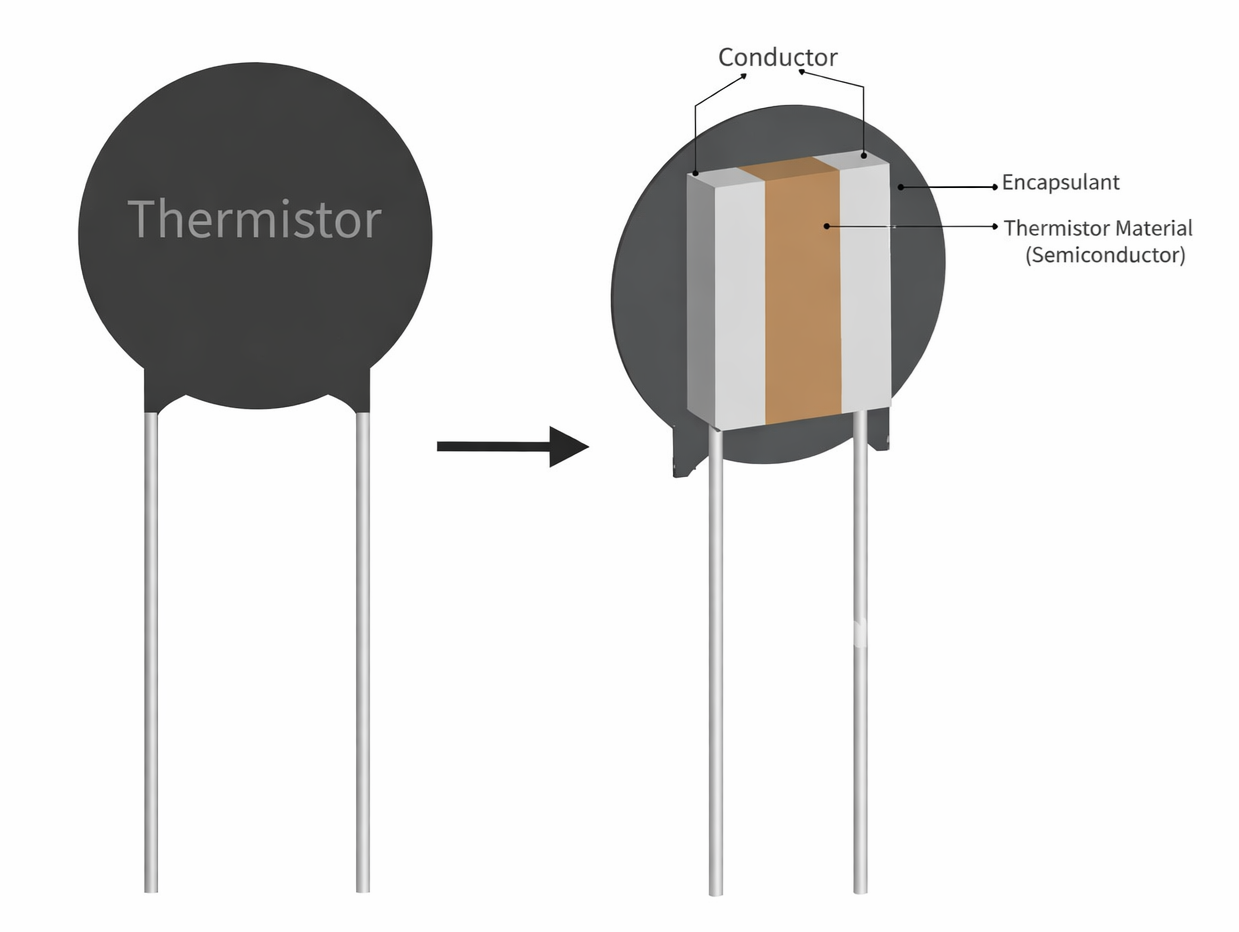
Figure 2. Internal Construction of an NTC Thermistor
• Thermistor Material (Semiconductor)
This is the core sensing element made from metal-oxide ceramics such as manganese, nickel, or cobalt. Its electrical resistance changes directly with temperature, forming the operating basis of the NTC thermistor.
• Conductors (Electrodes)
Metal conductors are attached to the thermistor material to allow electrical connection with external circuits. These conductors ensure stable signal transmission and low contact resistance.
• Encapsulant
The encapsulating layer protects the thermistor material from moisture, dust, and mechanical stress. It also improves durability and ensures consistent thermal performance over time.
NTC Thermistor Specifications
|
Specification |
Typical
Value |
|
Nominal
Resistance (R25) |
10 kΩ @ 25 °C |
|
Resistance
Tolerance |
±1% |
|
B-Value
(Beta) |
3950 K |
|
Operating
Temperature Range |
−40 °C to
+125 °C |
|
Accuracy |
±0.5 °C |
|
Thermal Time
Constant |
10 s |
|
Dissipation
Constant |
2.5 mW/°C |
|
Maximum Power
Rating |
50 mW |
|
Insulation
Resistance |
≥100 MΩ |
|
Lead
Resistance |
≤0.1 Ω |
|
Response Time |
<5 s |
|
Self-Heating
Error |
<0.2 °C |
|
Package Size |
5 mm disc |
|
Voltage
Rating |
30 V |
|
Long-Term
Stability |
±0.2%/year |
Types of NTC Thermistors
Bead-Type NTC Thermistors
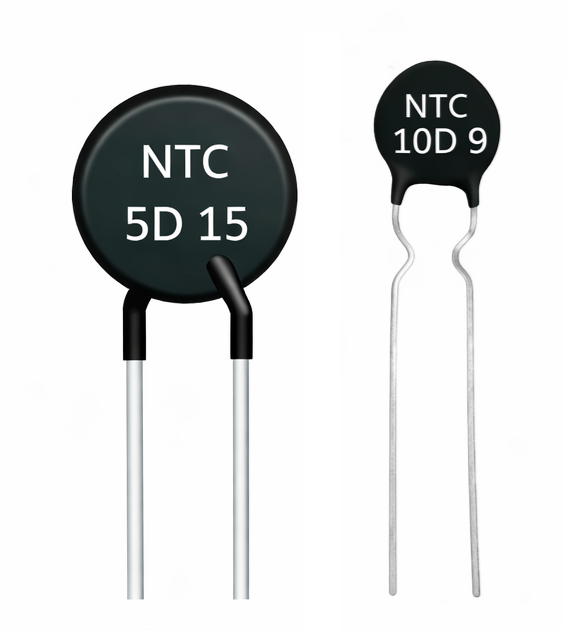
Figure 3. Bead-Type NTC Thermistors
A bead-type NTC thermistor is a very small sensing element formed into a bead shape. It offers fast thermal response due to its low mass and minimal encapsulation. This type is commonly used in precision temperature measurement where quick reaction to temperature changes is required. Bead-type NTC thermistors are often embedded in probes or medical devices. Their compact size allows accurate sensing in tight spaces. They are best suited for low-power and signal-level applications.
Disc-Type NTC Thermistors
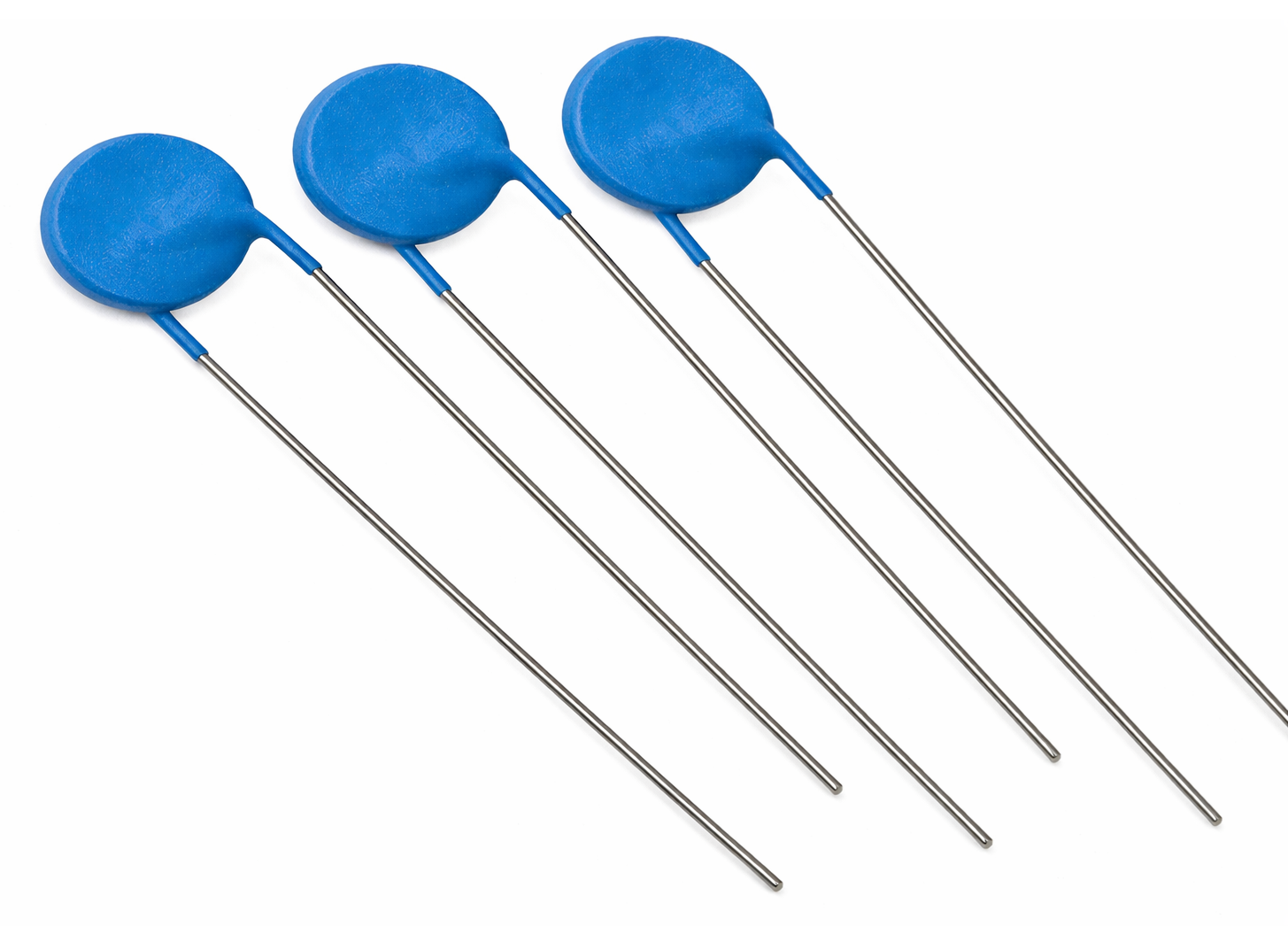
Figure 4. Disc-Type NTC Thermistors
Disc-type NTC thermistors have a flat, circular shape with radial leads. They are widely used for temperature sensing and inrush current limiting. The larger surface area allows better heat dissipation compared to bead types. Disc-type NTC thermistors are robust and can handle higher power levels. They are commonly found in power supplies and household appliances. Their simple structure makes them cost-effective and reliable.
Chip-Type NTC Thermistors
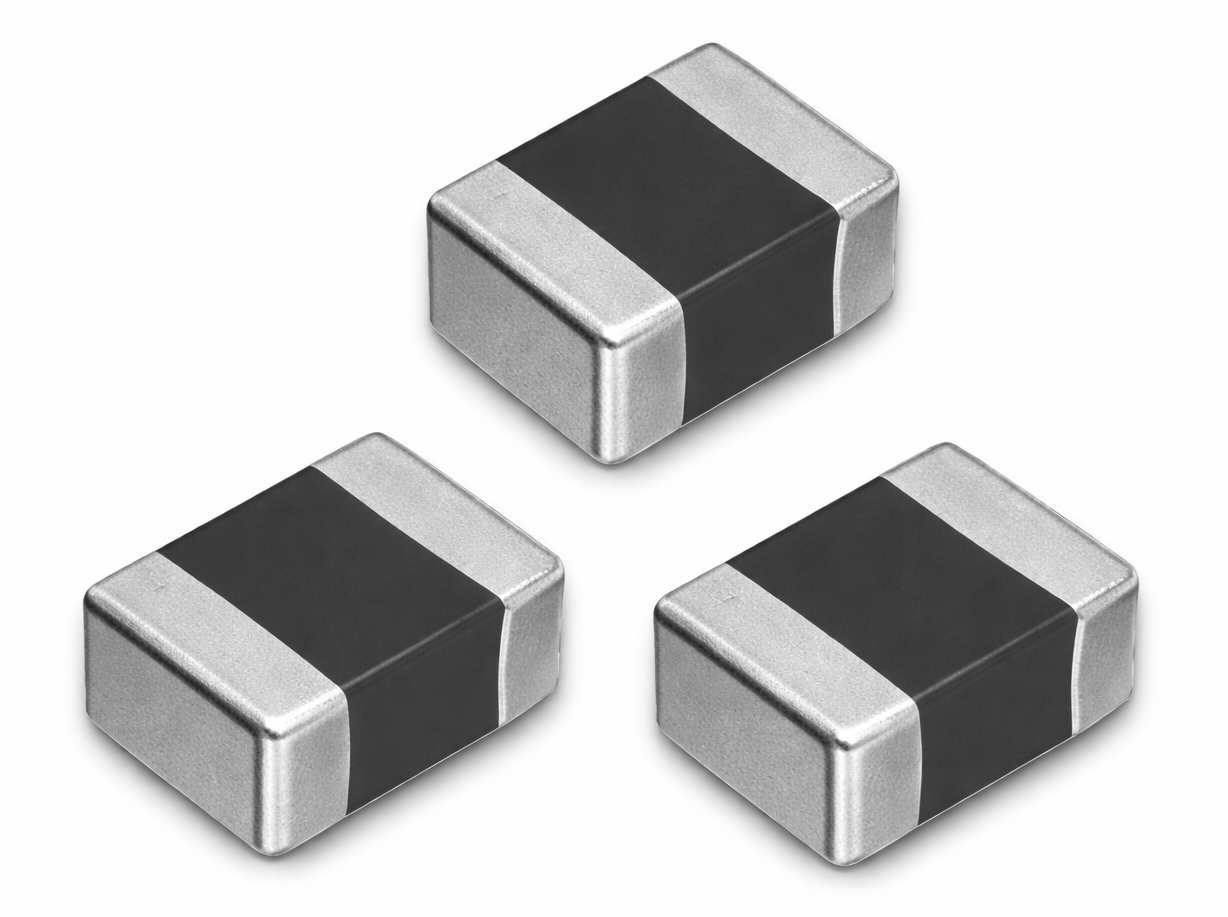
Figure 5. Chip-Type NTC Thermistors
Chip-type NTC thermistors are surface-mount devices (SMD) designed for compact electronic circuits. They are suitable for automated PCB assembly and high-density designs. These thermistors provide stable temperature measurement in consumer electronics. Chip-type NTC thermistors are commonly used in smartphones, laptops, and battery packs. Their small size ensures fast response and consistent performance. They are ideal for modern, miniaturized systems.
Glass-Encapsulated NTC Thermistors
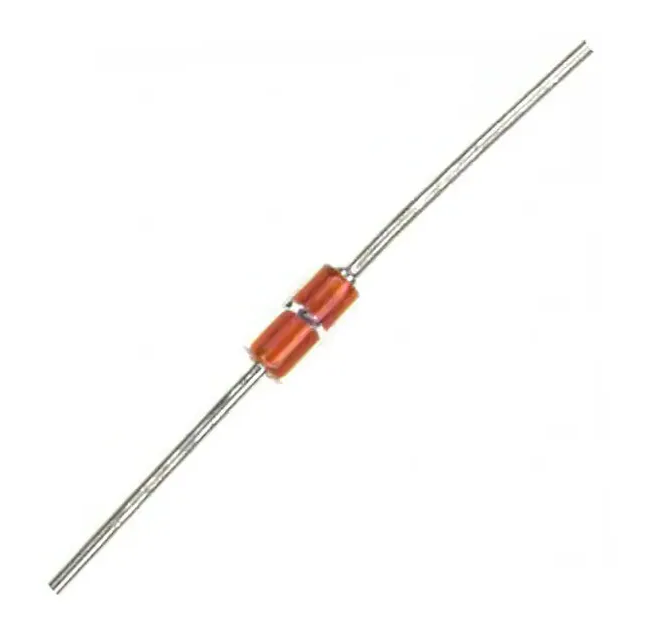
Figure 6. Glass-Encapsulated NTC Thermistors
Glass-encapsulated NTC thermistors are sealed in a glass body for high stability and environmental protection. They perform well in harsh conditions such as high humidity and chemical exposure. This type offers excellent long-term accuracy and minimal drift. Glass-encapsulated NTC thermistors are used in automotive and industrial applications. They can withstand higher temperatures than epoxy-coated types. Their durability makes them suitable for sensing tasks.
NTC Thermistor Circuit Configurations
NTC thermistors are connected to circuits in different ways depending on how the temperature signal is measured or controlled. Each configuration offers unique advantages for sensing, accuracy, or switching behavior.
Voltage Divider Configuration
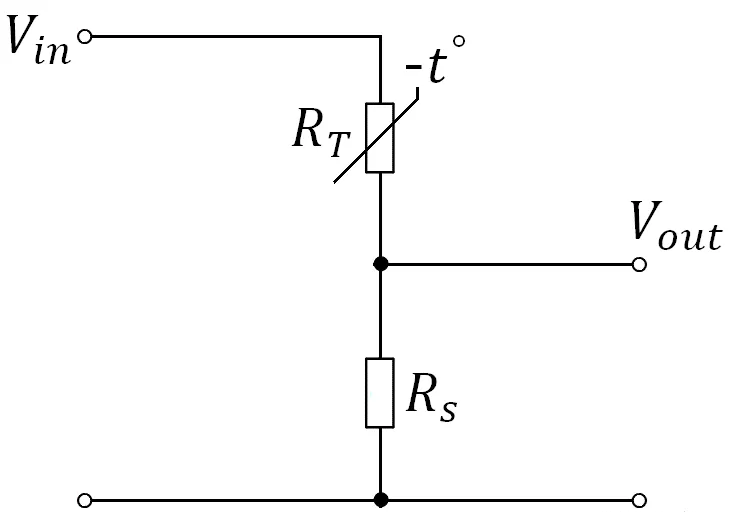
Figure 7. NTC Thermistor Voltage Divider Circuit
A voltage divider configuration uses an NTC thermistor in series with a fixed resistor. As temperature changes, the thermistor resistance varies, causing the output voltage to change. This voltage can be read by an ADC or microcontroller. The configuration is simple and widely used in temperature measurement circuits. It provides good accuracy for general applications. This method is ideal for low-cost and easy-to-implement designs.
Wheatstone Bridge Configuration
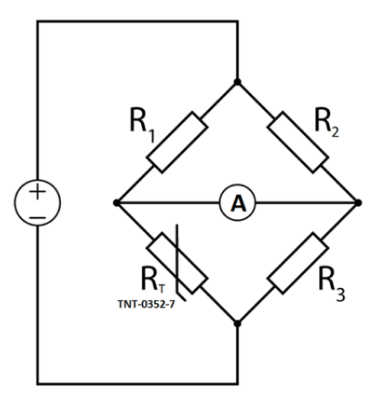
Figure 8. NTC Thermistor Wheatstone Bridge Circuit
A Wheatstone bridge configuration improves measurement accuracy by balancing multiple resistors. The NTC thermistor forms one arm of the bridge. Small resistance changes produce measurable voltage differences. This setup reduces noise and improves sensitivity. It is commonly used in precision temperature sensing systems. The configuration is suitable for laboratory and industrial instrumentation.
Constant Current Configuration
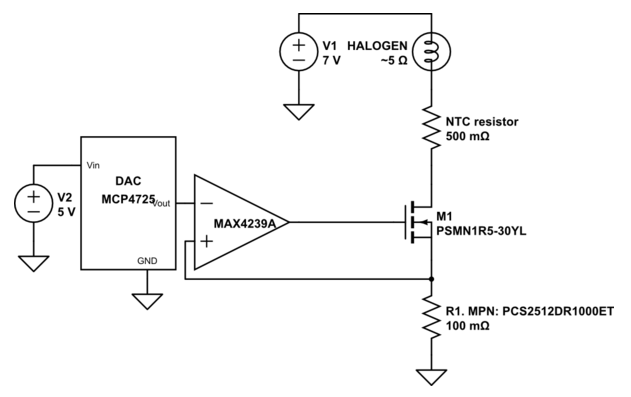
Figure 8. Constant Current NTC Thermistor Circuit
In a constant current configuration, a fixed current flows through the NTC thermistor. The voltage across the thermistor changes with temperature. This method simplifies resistance-to-temperature calculations. It reduces errors caused by supply voltage variation. Constant current circuits are used in high-accuracy sensing applications. They are common in industrial temperature controllers.
Direct Switching (Threshold) Configuration
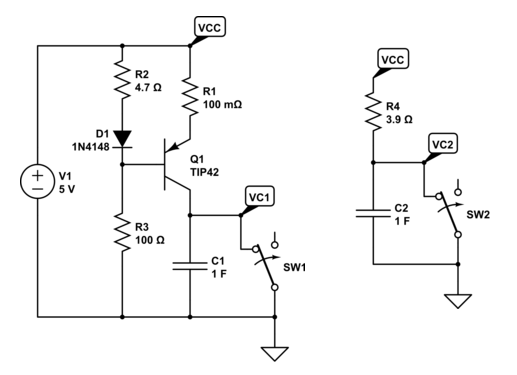
Figure 10. NTC Thermistor Threshold Switching Circuit
Direct switching uses an NTC thermistor to trigger a circuit when a temperature threshold is reached. As resistance drops, the circuit activates a transistor, relay, or comparator. This configuration is commonly used for thermal protection. It provides simple on-off temperature control. The design is reliable and cost-effective. It is ideal for overheating protection circuits.
Applications of NTC Thermistors
• Temperature Sensing
Used in thermostats, digital thermometers, and electronic sensors. Provides accurate temperature measurement. Common in consumer and industrial devices.
• Battery Temperature Monitoring
Protects batteries from overheating during charging and discharging. Improves battery safety and lifespan. Widely used in lithium-ion battery packs.
• Inrush Current Limiting
Limits high startup current in power supplies. Protects components from electrical stress. Common in SMPS and adapters.
• Automotive Systems
Measures coolant, air intake, and oil temperatures. Enhances engine control and safety. Used in modern vehicle electronics.
• HVAC and Appliances
Controls heating and cooling systems. Improves energy efficiency and temperature regulation. Found in air conditioners and refrigerators.
NTC Thermistor vs PTC Thermistor
|
Feature |
NTC
Thermistor |
PTC
Thermistor |
|
Temperature
Coefficient |
Negative |
Positive |
|
Resistance @
25 °C |
10 kΩ |
100 Ω |
|
Resistance
Change |
Decreases
with heat |
Increases
with heat |
|
Typical
Operating Range |
−40 °C to 125
°C |
−20 °C to 150
°C |
|
Accuracy |
±0.5 °C |
±2 °C |
|
Response Time |
<5 s |
10 s |
|
Sensitivity |
High |
Moderate |
|
Inrush
Current Limiting |
Yes |
Limited |
|
Overcurrent
Protection |
No |
Yes |
|
Self-Heating
Use |
Common |
Limited |
|
Power Rating |
50 mW |
1 W |
|
Stability |
High |
Moderate |
|
Cost |
Low |
Medium |
|
Typical
Applications |
Temperature
sensing |
Overcurrent
protection |
|
Common
Package |
Bead / Disc |
Resettable
fuse |
Conclusion
NTC thermistors measure temperature by changing resistance in a clear and predictable way. Their different designs and circuit setups allow them to be used in many devices, from small electronics to automotive and industrial equipment. Because they are accurate, fast, and reliable, NTC thermistors are widely used for temperature sensing, protection, and control applications.
About us
ALLELCO LIMITED
Read more
Quick inquiry
Please send an inquiry, we will respond immediately.
Frequently Asked Questions [FAQ]
1. Can NTC thermistors be used with microcontrollers like Arduino?
Yes, NTC thermistors are commonly used with microcontrollers by connecting them to an ADC through a voltage divider circuit.
2. Do NTC thermistors require calibration?
Yes, calibration improves accuracy, especially when used in precision temperature measurement or critical control applications.
3. What causes self-heating in NTC thermistors?
Self-heating occurs when current flowing through the thermistor raises its temperature, which can affect measurement accuracy.
4. How long do NTC thermistors typically last?
NTC thermistors have a long lifespan, often exceeding 10 years, when operated within their rated electrical and thermal limits.
5. Are NTC thermistors suitable for outdoor applications?
Yes, when properly sealed or glass-encapsulated, NTC thermistors can operate reliably in outdoor and harsh environments.
Photoresistor (LDR): Structure, Types, Working Principle, and Specifications
on January 22th

MPC860PZQ80D4 Chip Features, Pinout, and Applications Explained
on January 21th
Popular Posts
-

Complex Instruction Set Computers: How They Changed Computing?
on April 18th 147753
-

USB-C Pinout and Features
on April 18th 111927
-
Using Xilinx Unified Simulation Primitives: A Comprehensive Guide to FPGA Design and Simulation
on April 18th 111349
-

Power Supply Voltages in Electronics: Meaning of VCC, VDD, VEE, VSS, and GND
on April 18th 83714
-

RJ45 Connector Guide: Pinout, Wiring, Cable Types, and Uses
on January 1th 79504
-

The Ultimate Guide to Wire Color Codes in Modern Electrical Systems
The way our electrical systems use colors isn’t just for looks. Each wire color now indicates a specific function, making it easier to identify and handle electrical components correctly during ins...on January 1th 66872
-

Quality (Q) Factor: Equations and Applications
The quality factor, or 'Q', is important when checking how well inductors and resonators work in electronic systems that use radio frequencies (RF). 'Q' measures how well a circuit minimizes energy...on January 1th 63005
-
Purge Valve Guide: Function, Symptoms, Testing, and Replacement for Optimal Engine Performance
The purge valve is a key part of a car’s system that helps keep the air clean by managing fuel vapors before they can escape into the atmosphere. This not only helps the environment by reducing pol...on January 1th 62957
-

Achieving Peak Performance with the Maximum Power Transfer Theorem
The Maximum Power Transfer Theorem explains how energy from a source, such as a battery or generator, flows to a connected load. It shows the exact condition where the load receives the most power....on January 1th 54079
-

A23 Battery Specifications and Compatibility
The A23 battery is a small, cylinder-shaped battery with high voltage. Also called 23A, 23AE, or MN21, it runs at 12 volts and much higher than AA or AAA batteries. Its special design make...on January 1th 52093
HOT Part Number
-

RMPA0959
onsemi
IC RF AMP CELL 824-849MHZ 11LCC
RCLAMP0554S.TCT
Semtech Corporation
TVS DIODE 5VWM 15VC SOT23-6
CM453232-R47KL
Bourns Inc.
FIXED IND 470NH 545MA 320MOHM SM
744028002
Würth Elektronik
FIXED IND 2.2UH 1.3A 155MOHM SMD
MIC3809YMM
Microchip Technology
IC REG CTRLR MULT TOPOLOGY 8MSOP
AONS36302
Alpha & Omega Semiconductor Inc.
MOSFET N-CH 30V 146A 8DFN
SP3238EEA-L/TR
MaxLinear, Inc.
IC TRANSCEIVER FULL 5/3 28SSOP
BF5020WH6327
Infineon Technologies
N-CHANNEL POWER MOSFET
C1608X8R1H102M080AE
TDK Corporation
CAP CER 1000PF 50V X8R 0603
TPS71525QDCKRQ1
Texas Instruments
IC REG LINEAR 2.5V 50MA SC70-5
170M5444
Eaton - Bussmann Electrical Division
FUSE SQUARE 500A 1.3KVAC RECT
IHLP4040DZER220M1A
Vishay Dale
IHLP-4040DZ-1A 22 20% ER E3
C0603X181J1HACAUTO
KEMET
CAP CER 0603 180PF 100V ULTRA ST
PIC16F1575-E/JQ
Microchip Technology
IC MCU 8BIT 14KB FLASH 16UQFN
OPA4354AIPWR
Texas Instruments
IC CMOS 4 CIRCUIT 14TSSOP
P6SMB33A
Bourns Inc.
TVS DIODE 28.2VWM 45.7VC DO214AA
GCM1885C1H4R4CA16D
Murata Electronics
CAP CER 4.4PF 50V C0G/NP0 0603
R5F100LGAFB#10
Renesas Electronics America Inc
IC MCU 16BIT 128KB FLASH 64LFQFP -
TC621CCOA
Microchip Technology
THERMOSTAT PROG ACTIVE LOW 8SOIC
IRG4BC20UDPBF
International Rectifier
IGBT, 13A I(C), 600V V(BR)CES, N
MICROSMD175F-2
Littelfuse Inc.
PTC RESET FUSE 6V 1.75A 1210
AC0603KRX7R8BB222
YAGEO
CAP CER 2200PF 25V X7R 0603
1812AA150JAT1A\SB
KYOCERA AVX
CAP CER 15PF 1KV NP0 1812
SY10ELT22ZC
Microchip Technology
IC TRANSLTR UNIDIRECTIONAL 8SOIC
SCW03B-12
MEAN WELL USA Inc.
DC DC CONVERTER 12V 3W
A4840
Sensata-Crydom
SSR RELAY SPST-NO 40A 80-530V
TC4426AEOA
Microchip Technology
IC GATE DRVR LOW-SIDE 8SOIC
C1608NP01H470J080AA
TDK Corporation
CAP CER 47PF 50V NP0 0603
GRM1555C2A8R1DA01J
Murata Electronics
CAP CER 8.1PF 100V C0G/NP0 0402
INA330AIDGST
Texas Instruments
IC OPAMP GP 1 CIRCUIT 10VSSOP
12061C273KAT2A
KYOCERA AVX
CAP CER 0.027UF 100V X7R 1206
74LX1G70CTR
STMicroelectronics
IC BUF NON-INVERT 5.5V SOT323-5
CSNE151-204
Honeywell Sensing and Productivity Solutions
SENSOR CURRENT HALL 90A AC/DC
LF353DT
STMicroelectronics
IC OPAMP JFET 2 CIRCUIT 8SOIC
SMK316B7223KLHT
Taiyo Yuden
CAP CER 0.022UF 630V X7R 1206
R9G01612XX
Powerex Inc.
DIODE GP 1.6KV 1200A DO200AB -
FPF2300MPX
Fairchild Semiconductor
DUAL OUTPUT CURRENT LIMIT SWITCH
HZB6.8MWATL-E
Renesas Electronics America Inc
TVS DIODE 3.5VWM 3CMPAK
P0111MA 1AA3
STMicroelectronics
SCR 600V 800MA TO92-3
88E1545-A1-LKJ2C000
Marvell Semiconductor, Inc.
IC TXRX FULL/HALF 4/4 128LQFP
MAX809SN293D1T1G
onsemi
IC SUPERVISOR 1 CHANNEL SOT23-3
ICL3232IBZ-T
Renesas Electronics America Inc
IC TRANSCEIVER FULL 2/2 16SOIC
EP1K50FI484-2
Altera
LOADABLE PLD, 0.4NS PBGA484
FDMF6824C
onsemi
IC HALF BRIDGE DRIVER 50A 40PQFN
HVD144AKRF-E
Renesas Electronics America Inc
PLANAR PIN DIODE
MCD56-12IO1B
IXYS
MOD THYRISTOR/DIO 1200V TO-240AA
CD3275A0DRCR
Texas Instruments
PROTOTYPE
SN74ALS240ANSR
Texas Instruments
IC BUFFER INVERT 5.5V 20SO
9FG104EGLF
Renesas Electronics America Inc
IC FREQ TIMING GENERATOR 28TSSOP
MPC8548EVTAUJB
Freescale Semiconductor
MPU, 32-BIT, 1333MHZ, PBGA783
NCP1070STCT3G
onsemi
IC OFFLINE SWITCH FLYBACK SOT223
MIC4422YM
Microchip Technology
IC GATE DRVR LOW-SIDE 8SOIC
BU2510-E3/51
Vishay General Semiconductor - Diodes Division
BRIDGE RECT 1P 1KV 3.5A BU
GS8642Z36GB-167IV
GSI Technology Inc.
IC SRAM 72MBIT PARALLEL 119FPBGA