
Learn How the 78L05 Voltage Regulator Keeps Your Projects Stable
The 78L05 is a small, reliable voltage regulator designed to provide a steady 5V output for low-power electronic projects. It is commonly used to power devices like microcontrollers, sensors, and small LEDs. With a simple three-pin design, it takes an unregulated input voltage and converts it to a stable 5V output, ensuring consistent performance in your projects. This article will guide you through its features, how to use it, and its common applications.Catalog

Introduction to 78L05 Voltage Regulator
The 78L05 is a compact, 3-terminal voltage regulator that provides a stable 5V output, ideal for powering low-current devices like microcontrollers and small sensors. It takes an unregulated input voltage and converts it into a steady 5V output, which is essential for consistent performance in your projects.
What makes the 78L05 easy to use is its simple design. It has three pins: one for the input voltage, one for ground, and one for the 5V output. It also includes built-in protections, such as thermal shutdown and current limiting, to prevent overheating and damage. While the 78L05 is designed for low-power applications, offering up to 100mA of output current, its small size and reliability make it a great choice for compact projects. If you need more current, a similar regulator, the 7805, can be used.
78L05 Pin Configuration
The 78L05 voltage regulator has three pins, each serving a specific function to ensure proper operation. Below is an explanation of each pin and its role:
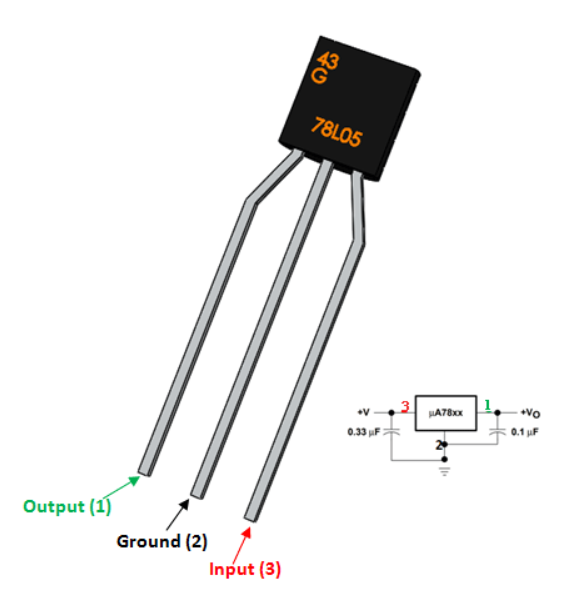
Pin Details
| Pin No. | Pin Name | Description |
| 1 | Output (Vo) | Outputs Regulated +5V |
| 2 | Ground (Gnd) | Connected to Ground |
| 3 | Input (V+) | Unregulated Input Voltage |
Key Features and Specifications
Here are the main features and specifications of the 78L05 voltage regulator:
| Parameter | Value |
| Maximum Input Voltage | 30V |
| Operating Current (IQ) | 5mA |
| Maximum Output Current | 150mA |
| Power Dissipation | 0.5W |
| Operating Temperature Range | -40°C to +85°C |
| Features | |
| Packaging Options | TO-92, SO-8, SOT-89 |
Alternative Voltage Regulators for 78L05
• LM7806
• LM7809
• LM7812
• LM317
• LM7905
• LM7912
• LM117V33
Equivalent Voltage Regulators to 78L05
• AMS7111
• LM7805
78L05 Negative Voltage Complement
The 79L05 is the negative voltage complement of the 78L05.
Applications of 78L05
The 78L05 is commonly used in projects where you need a stable 5V power supply but don’t require a high amount of current. It’s perfect for powering small electronic components like microcontrollers, sensors, or low-power LEDs. Due to its low current output of up to 100mA, it works well in compact devices or applications where space and heat dissipation are a concern.
If you're working on projects like simple educational electronics, small portable devices, or microcontroller-based circuits, the 78L05 can be an excellent choice. It’s also great when you need a reliable 5V supply but want to keep things small and efficient. Just keep in mind that if your project demands more current, you may need to use a different regulator, like the 7805, which can provide more power.
How to Use the 78L05 Voltage Regulator
Using the 78L05 voltage regulator is simple and straightforward. It has three terminals: Input, Output, and Ground. To use it, connect the input pin to your unregulated input voltage and the ground pin to the system ground. The output pin will provide a stable 5V to power your devices.
For example, in a basic circuit, you can use a 12V input voltage, which the 78L05 will regulate to a 5V output. This regulated 5V is suitable for powering low-power devices such as LEDs or small sensors, as long as the current requirement is below 100mA, which is the maximum output current the 78L05 can supply.
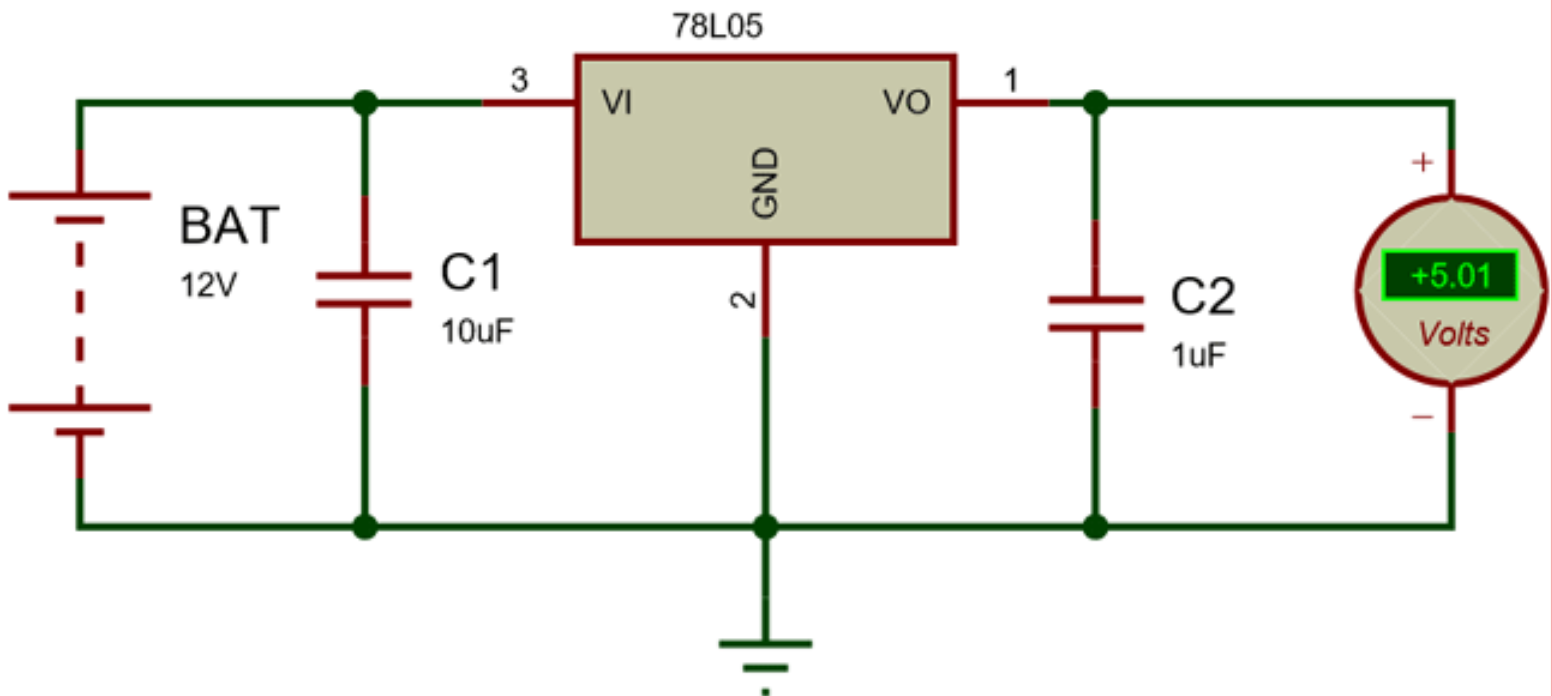
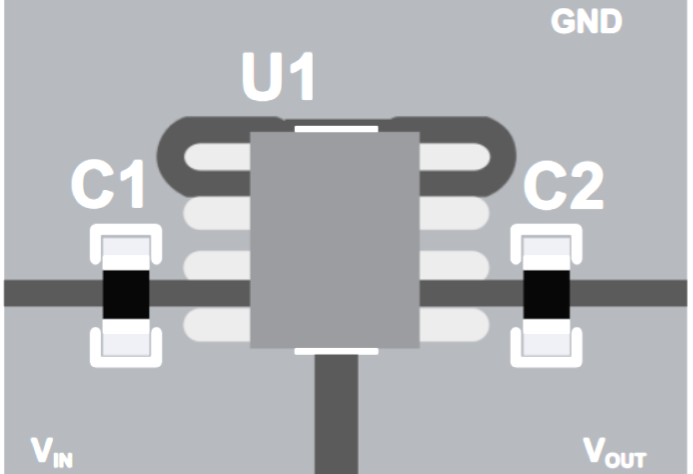
To improve performance, it’s recommended to add capacitors to the input and output. These capacitors help filter out noise from the input voltage. While the exact values can vary, using a 10µF capacitor (C1) at the input and a 1µF capacitor (C2) at the output is a good practice.
The 78L05 also includes built-in protections, such as current limiting and thermal shutdown. If the regulator is overloaded or becomes too hot, it will shut down to prevent damage. For projects requiring higher currents, you may need a different regulator, such as the 7805, which can provide more power.
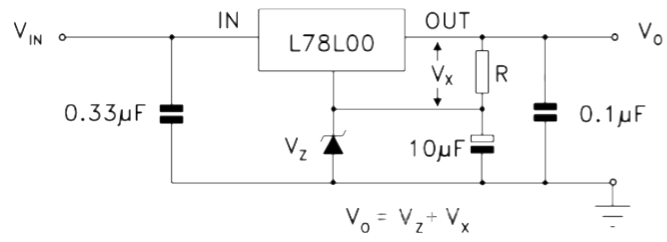
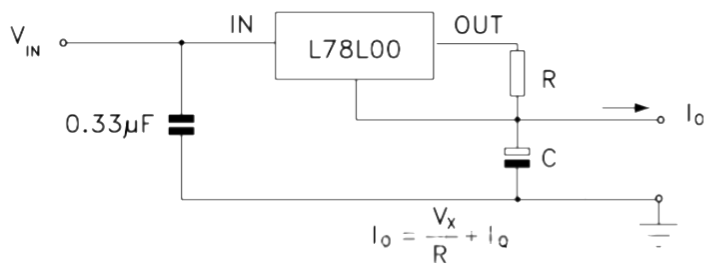
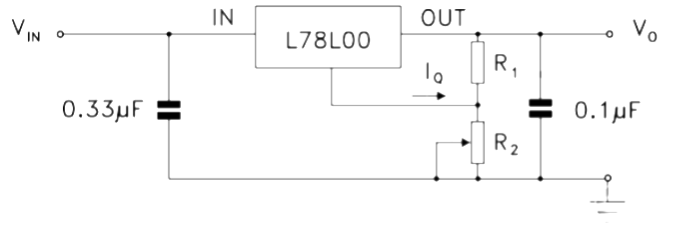
In addition to regulating voltage, the 78L05 can be used in other applications, such as a current regulator, short-circuit protector, or booster circuit. Check the datasheet for more examples and detailed circuit designs for these additional uses.
78L05 Schematic Diagram
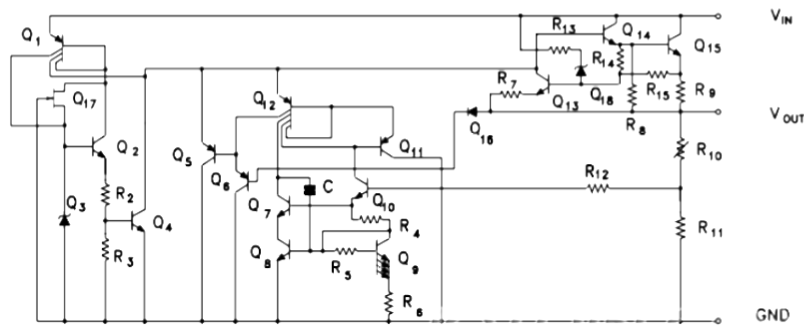
Test Circuit of 78L05
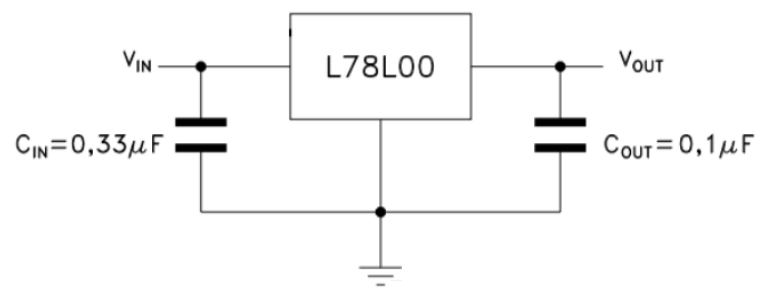
Layout of 78L05
78L05 Circuit Explanation
In the circuit design, place two ceramic capacitors: a 10µF capacitor (C1) at the input and a 1µF capacitor (C2) at the output. The input capacitor filters out input noise, while the output capacitor stabilizes the output voltage. The regulator also has a temperature-sensitive feature that activates if the circuit temperature exceeds a certain level, offering an extra layer of protection.
Advantages of the 78L05 Voltage Regulator
The 78L05 voltage regulator offers several benefits that make it a go-to choice for various electronic projects. Here's a detailed look at these advantages:
Reliable 5V Output
The 78L05 provides a steady 5V output, which is perfect for powering low-power devices like microcontrollers, sensors, and small LEDs. By maintaining a consistent voltage, it ensures that your circuit performs reliably, avoiding the issues that can come with fluctuating power supply levels.
Overload Protection
One of the standout features of the 78L05 is its built-in overload protection. This means the regulator will automatically protect itself if the current exceeds the safe limit, preventing potential damage. This feature is especially helpful when working with circuits that may experience varying or unpredictable loads.
Thermal Shutdown
If the 78L05 regulator gets too hot due to excessive power dissipation, it has a thermal shutdown feature that kicks in. This means it will automatically turn off to prevent overheating and protect both the regulator and your circuit from damage. It’s a simple yet effective safety measure for projects that might generate heat.
Short Circuit Protection
The 78L05 also comes with short circuit protection, ensuring that if there’s a short in your circuit, the regulator will shut down temporarily to avoid further damage. This extra layer of protection helps safeguard your components and ensures that your projects remain safe and functional.
Low Power Consumption
The 78L05 operates with low quiescent current, meaning it doesn’t consume much power while idle. This is especially beneficial for battery-powered projects, as it helps conserve energy, allowing your devices to run longer without quickly draining the battery.
Wide Operating Temperature Range
Another advantage of the 78L05 is its wide operating temperature range, from -40°C to +85°C. This makes it suitable for use in a variety of environments, whether it's a hot, outdoor project or a device that will be used in a cooler setting. You don’t need to worry about the regulator failing in extreme temperatures.
Easy to Use and Integrate
Thanks to its simple three-pin configuration (Input, Ground, Output), the 78L05 is easy to integrate into your circuit designs. Its straightforward design makes it a great choice for both beginners and experienced engineers, simplifying the process of adding voltage regulation to your projects.
Compact Size
The 78L05 comes in a small, compact package, typically in a TO-92 form factor. This makes it ideal for use in space-constrained applications, allowing you to save space on your circuit board while still providing reliable voltage regulation.
Cost-Effective
The 78L05 is an affordable option, making it an excellent choice for hobbyists, students, and professionals working on budget-friendly projects. Despite its low price, it offers solid performance and protective features, providing great value for money.
Differences Between 78L05 and 7805
Current Handling Capacities
The 7805 is a voltage regulator that provides a steady +5V output and can handle a maximum current of 1A. It follows the common 3-pin configuration, with pins for input voltage, ground, and the regulated 5V output. On the other hand, the 78L05 is a lower-current version, capable of delivering up to 100mA of output current, which makes it suitable for less power-hungry applications.
Part Numbers
The part numbers for both regulators give you clues about their specifications. The "78" indicates a positive voltage regulator, while the "05" denotes a 5V output. The letter in between ("L" in 78L05 and no letter in 7805) specifies the current rating. The "L" stands for low current, meaning 0.1A for the 78L05, while the 7805 typically provides 1A. Other variants like the "78M05" (medium current, 0.5A), "78S05" (high current, 2A), and "78T05" (up to 3A) also exist, but the 7805 is in the 1A category.
Pin Arrangement Order
While the 78L05 and 7805 can often be used interchangeably, there are a few key differences. The pinout order differs between the two; for the 7805, the pins are input, ground, and output, while for the 78L05, the pins are output, ground, and input. They also come in different packages—TO-220 for the 7805 and TO-92 for the 78L05.
Size
While both regulators provide the same 5V output, the 7805 can handle higher currents (up to 1A) and is physically larger, allowing it to dissipate more heat. The 78L05, being smaller, is better suited for low-power applications where space and heat dissipation are a concern.
78L05 Applications in Electronics
The 78L05 voltage regulator has a wide range of applications in electronics, especially in projects where stable and reliable power is needed. Here are some common ways it’s used:
Powering Low-Power Devices
The 78L05 is commonly used to provide a stable 5V output for low-power electronic devices like microcontrollers, sensors, and logic circuits. Since it can handle up to 100mA of output current, it's a great choice for powering small components that don’t require a lot of current but still need a consistent voltage.
Arduino and Other DIY Projects
If you're working with Arduino or similar development boards, the 78L05 is often used to supply a regulated 5V to the board. Many DIY electronics projects, especially those that involve microcontrollers, benefit from the 78L05's easy integration and reliable performance, making it a go-to choice for hobbyists and makers.
Battery-Powered Circuits
The 78L05 is ideal for battery-powered circuits because it efficiently regulates voltage while consuming minimal power itself. It’s used in small battery-powered devices where the power supply needs to stay consistent without draining the battery quickly. The low quiescent current ensures that the regulator itself doesn’t consume too much energy.
LED Circuits
Another common application is in LED circuits, especially when using multiple LEDs that need a stable power supply. Since the 78L05 can regulate the voltage to 5V, it's often used in circuits with LEDs where the voltage needs to stay steady, ensuring the LEDs operate safely and without overdriving them.
Portable Devices
For portable devices that require a 5V supply, the 78L05 is frequently used to step down higher input voltages from sources like batteries or DC adapters. It’s commonly found in portable electronics like handheld gadgets, toys, and even some battery chargers where size and reliability are key factors.
Voltage Regulation in Communication Systems
In communication systems, the 78L05 is used to regulate the power supply for components like radio receivers, transmitters, and other signal-processing devices. These systems often require a steady 5V to function correctly, and the 78L05 provides that with its reliable output.
Powering Sensors and Modules
Many sensor modules, including temperature sensors, humidity sensors, and distance sensors, require a stable 5V for proper operation. The 78L05 is used in these types of circuits to ensure that the sensors receive the correct voltage, preventing fluctuations that could lead to inaccurate readings or malfunction.
Backup and Standby Power Supplies
In backup power systems, the 78L05 can provide a stable 5V supply to keep certain components active when the main power source fails. This can be useful in projects involving real-time clocks, data logging, or other systems where consistent power is needed even during power interruptions.
Automotive Electronics
The 78L05 is sometimes used in automotive electronics, where it provides a regulated 5V supply for devices such as GPS units, car sensors, or diagnostic tools. Given that automotive systems often experience voltage fluctuations, the 78L05 helps smooth out the voltage, ensuring these devices get the right power for reliable operation.
Educational and Learning Projects
For students and beginners working on electronics projects, the 78L05 is a popular choice due to its simplicity and ease of use. It is often used in educational kits and learning environments to teach students about voltage regulation and circuit design in a hands-on way.
78L05 Application Circuits
78L05 High Output Current Short-Circuit Protected

78L05 Output Boost Circuit
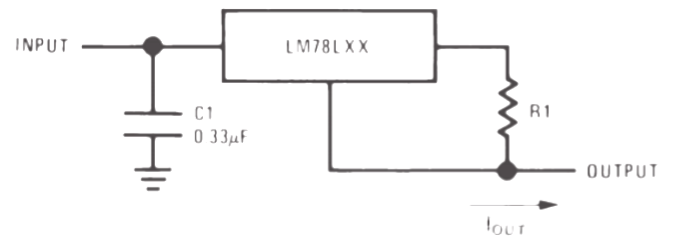
78L05 Current Regulator
78L05 Adjustable Output Regulator
78L05 ±15-V, 100-mA Dual Power Supply Circuit
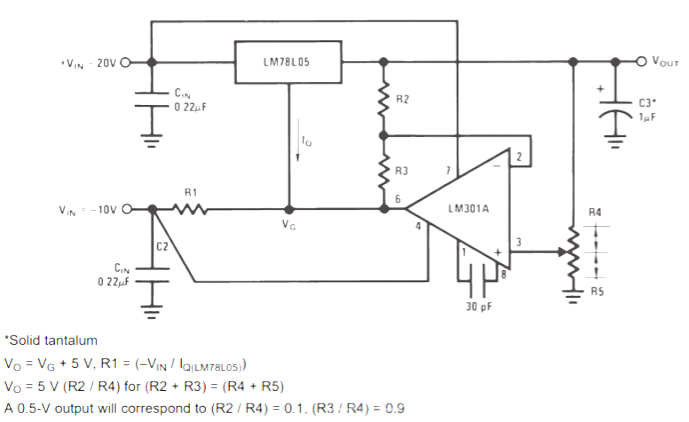
78L05 Variable Output Regulator Circuit
Conclusion
In conclusion, the 78L05 voltage regulator is a reliable, compact, and cost-effective solution for providing a stable 5V output in low-power electronic projects. Whether you're powering microcontrollers, sensors, or small LED circuits, this regulator offers a simple design with built-in protections like thermal shutdown and overload protection. Its versatility makes it a great choice for a wide range of applications, from DIY projects to educational kits, ensuring that your circuits remain safe and functional with consistent power.
About us
ALLELCO LIMITED
Read more
Quick inquiry
Please send an inquiry, we will respond immediately.
Frequently Asked Questions [FAQ]
1. What does a 78L05 do?
The 78L05 is a voltage regulator with three pins that outputs a stable 5V. It can supply up to 100mA of current and includes safety features like overload protection and thermal shutdown. These features protect the regulator from overheating or damage if the current exceeds the safe limit.
2. What is the current limit of the 78L05?
The 78L05 can supply a maximum output current of 100mA. Exceeding this limit could cause the regulator to overheat or shut down due to built-in safety features.
3. Is the 78L05 a transistor?
No, the 78L05 is not a transistor. It is a voltage regulator designed to provide a fixed 5V output to power low-current devices like microcontrollers, sensors, and small LEDs.
4. What is the voltage output of the 78L05?
The 78L05 provides a fixed 5V DC output. It is specifically designed to regulate higher input voltages down to a stable 5V for your electronic circuits.
5. How do you safely use the 78L05 for long-term operation?
To ensure the 78L05 works properly over time, it’s recommended to keep its output current below 80mA, even though it can handle up to 100mA. You should also ensure the input voltage stays between 28V and 30V and avoid exceeding 35V. The regulator operates best in temperatures from 0°C to 85°C, while storage temperatures can range from -65°C to +150°C.
6. How do you test the 78L05 voltage regulator?
To test the 78L05, connect a multimeter with the positive probe on the output pin and the negative probe on the ground pin. The output should read close to 5V, as indicated by the "05" in the part number.
7. When should you use a voltage regulator?
A voltage regulator should be used whenever you need to provide a stable voltage to sensitive electronic components. It ensures that fluctuations in the input voltage don't affect the performance of the circuit. Regulators are useful for stepping down high voltages and managing excess energy through heat dissipation.
Learn How the 7812 IC Can Simplify Voltage Regulation in Your Circuit
on November 29th
Comprehensive Overview of the 7408 Logic Gate IC
on November 29th
Popular Posts
-

Complex Instruction Set Computers: How They Changed Computing?
on June 11th 148369
-

USB-C Pinout and Features
on June 11th 131089
-
Using Xilinx Unified Simulation Primitives: A Comprehensive Guide to FPGA Design and Simulation
on June 11th 111849
-

Power Supply Voltages in Electronics: Meaning of VCC, VDD, VEE, VSS, and GND
on June 11th 94098
-

RJ45 Connector Guide: Pinout, Wiring, Cable Types, and Uses
on January 1th 93471
-

The Ultimate Guide to Wire Color Codes in Modern Electrical Systems
The way our electrical systems use colors isn’t just for looks. Each wire color now indicates a specific function, making it easier to identify and handle electrical components correctly during ins...on January 1th 76626
-

Quality (Q) Factor: Equations and Applications
The quality factor, or 'Q', is important when checking how well inductors and resonators work in electronic systems that use radio frequencies (RF). 'Q' measures how well a circuit minimizes energy...on January 1th 74625
-
Purge Valve Guide: Function, Symptoms, Testing, and Replacement for Optimal Engine Performance
The purge valve is a key part of a car’s system that helps keep the air clean by managing fuel vapors before they can escape into the atmosphere. This not only helps the environment by reducing pol...on January 1th 68562
-
Understanding Capacitors and Their Symbols in Circuit Diagrams
Capacitors are small parts used in almost all electronic devices. They store and release electrical energy and are found in things like power supplies, radios, and circuits that help reduce noise. ...on June 11th 58352
-

A23 Battery Specifications and Compatibility
The A23 battery is a small, cylinder-shaped battery with high voltage. Also called 23A, 23AE, or MN21, it runs at 12 volts and much higher than AA or AAA batteries. Its special design make...on January 1th 57907
HOT Part Number
-
C2012X5R2E472M085AA
TDK Corporation
CAP CER 4700PF 250V X5R 0805
DS1708ESA/T&R
Analog Devices Inc./Maxim Integrated
IC SUPERVISOR 1 CHANNEL 8SOIC
LM79L12ACZ
Texas Instruments
IC REG LINEAR FIXED NEG STND
BCM56842A1KFTBLG
Broadcom Limited
MULTI LAYER SWITCH
QRF1220T30
Powerex Inc.
DIODE MODULE 1.2KV 99A
LD39100PU12RY
STMicroelectronics
IC REG LINEAR 1.2V 1A 6DFN
RT0402BRD072K4L
Yageo
RES SMD 2.4K OHM 0.1% 1/16W 0402
ZUS1R52412
Cosel USA, Inc.
DC DC CONVERTER 12V
NCV51411MNR2G
onsemi
IC REG BUCK ADJ 1.5A 18DFN
PN5179
onsemi
RF TRANS NPN 12V 2GHZ TO92-3
FXLA108BQX
onsemi
IC TRANSLTR BIDIRECTIONAL 20DQFN
VS-20ETS08STRLPBF
Vishay General Semiconductor - Diodes Division
DIODE GEN PURP 800V 20A TO263AB
2SJ645-E
onsemi
P-CHANNEL SMALL SIGNAL MOSFET
C5750X5R2E684M230KA
TDK Corporation
CAP CER 0.68UF 250V X5R 2220
NJM2240M
Nisshinbo Micro Devices Inc.
IC VIDEO SGNL QUAD 8DMP
BV1HJ045EFJ-CE2
Rohm Semiconductor
BUILT-IN OUTPUT DIAGNOSIS 1CH HI
BRT21H
Infineon Technologies
TRIAC OUTPUT OPTOCOUPLER WITH ZE
SMS7630-079LF
Skyworks Solutions Inc.
RF DIODE SCHOTTKY 1V 75MW SC79 -
MAX9374AEKA+T
Analog Devices Inc./Maxim Integrated
IC TRANSLATOR UNIDIR SOT23-8
GRM1555C2A3R8CA01D
Murata Electronics
CAP CER 3.8PF 100V C0G/NP0 0402
1N5355B
NTE Electronics, Inc
DIODE ZENER 18V 5W AXIAL
SWPA6045S100MT
Shenzhen Sunlord Electronics Co., Ltd.
FIXED IND 10UH 2.45A 62MOHM SMD
MBRT30020
GeneSiC Semiconductor
DIODE MODULE 20V 150A 3TOWER
IP4058CX8/LF,135
NXP USA Inc.
FILTER RC(PI) ESD SMD
MCR8DCNT4G
onsemi
SILICON CONTROLLED RECTIFIER
CY7C419-15JXC
Infineon Technologies
IC ASYNC FIFO MEM 256X9 32-PLCC
NCP692MN18T2G
onsemi
IC REG LINEAR 1.8V 1A 6DFN
UPA2211T1M-T1-AT
Renesas Electronics America Inc
MOSFET P-CH 12V 7.5A 8VSOF
0603YC392JAT2A
KYOCERA AVX
CAP CER 3900PF 16V X7R 0603
AT45DB041B-TI
Microchip Technology
IC FLASH 4MBIT SPI 20MHZ 28TSOP
RT1206DRE0790KL
YAGEO
RES SMD 90K OHM 0.5% 1/4W 1206
GRM0335C2A8R9CA01D
Murata Electronics
CAP CER 8.9PF 100V C0G/NP0 0201
06035A3R3C4T2A
KYOCERA AVX
CAP CER 3.3PF 50V NP0 0603
L99PD08
STMicroelectronics
IC PWR DRIVER N-CHAN 1:8 32LQFP
AD9748ACPZRL7
Analog Devices Inc.
IC DAC 8BIT A-OUT 32LFCSP
OZ-SS-124L1
TE Connectivity Potter & Brumfield Relays
RELAY GEN PURPOSE SPDT 16A 24V -

CL21A106KAYNNNE
Samsung Electro-Mechanics
CAP CER 10UF 25V X5R 0805
FWP-50A14FA
Eaton - Bussmann Electrical Division
FUSE CARTRIDGE 50A 700VAC/800VDC
MCP6561RT-E/OT
Microchip Technology
IC COMPARATOR 1 GEN PUR SOT23-5
MC13203FC
NXP USA Inc.
IC RF TXRX 802.15.4 32VFQFN
135D685X9125C6
Vishay Sprague
CAP TANT 6.8UF 10% 125V AXIAL
08052U430KAT2A
KYOCERA AVX
CAP CER 43PF 200V NP0 0805
CDBU0230
Comchip Technology
DIODE SCHOTTKY 30V 200MA 0603C
NCP603SNADJT1G
onsemi
IC REG LIN POS ADJ 300MA 5TSOP
MIC5219-3.3BMM
Microchip Technology
IC REG LINEAR 3.3V 500MA 8MSOP
SI501-PROG-CAX
Silicon Labs
MEMS OSC PROG BLANK 32KHZ-100MHZ
MAX232ESE
Analog Devices Inc./Maxim Integrated
RS-232 DRIVER/RECEIVER
SN74LV10ADR
Texas Instruments
IC GATE NAND 3CH 3-INP 14SOIC
AP7365-30WG-7
Diodes Incorporated
IC REG LINEAR 3V 600MA SOT25
M2S060TS-FGG484I
Microchip Technology
IC SOC CORTEX-M3 166MHZ 484FBGA
DCW03A-12
MEAN WELL USA Inc.
DC DC CONVERTER +/-12V 3W
C4532JB1E106M250KA
TDK Corporation
CAP CER 10UF 25V JB 1812
S9S12VR64AF0MLF
NXP USA Inc.
IC MCU 16BIT 64KB FLASH 48LQFP
ISL6561IRZ
Renesas Electronics America Inc
IC REG CTRLR INTEL 4OUT 40QFN