View All

Please refer to the English Version as our Official Version.Return

Europe
France(Français) Germany(Deutsch) Italy(Italia) Russian(русский) Poland(polski) Czech(Čeština) Luxembourg(Lëtzebuergesch) Netherlands(Nederland) Iceland(íslenska) Hungarian(Magyarország) Spain(español) Portugal(Português) Turkey(Türk dili) Bulgaria(Български език) Ukraine(Україна) Greece(Ελλάδα) Israel(עִבְרִית) Sweden(Svenska) Finland(Svenska) Finland(Suomi) Romania(românesc) Moldova(românesc) Slovakia(Slovenská) Denmark(Dansk) Slovenia(Slovenija) Slovenia(Hrvatska) Croatia(Hrvatska) Serbia(Hrvatska) Montenegro(Hrvatska) Bosnia and Herzegovina(Hrvatska) Lithuania(lietuvių) Spain(Português) Switzerland(Deutsch) United Kingdom(English)
Asia/Pacific
Japan(日本語) Korea(한국의) Thailand(ภาษาไทย) Malaysia(Melayu) Singapore(Melayu) Vietnam(Tiếng Việt) Philippines(Pilipino)
Africa, India and Middle East
United Arab Emirates(العربية) Iran(فارسی) Tajikistan(فارسی) India(हिंदी) Madagascar(malaɡasʲ)
South America / Oceania
New Zealand(Maori) Brazil(Português) Angola(Português) Mozambique(Português)
North America
United States(English) Canada(English) Haiti(Ayiti) Mexico(español)
HomeProductsIntegrated Circuits (ICs)Specialized ICsXCF128XF
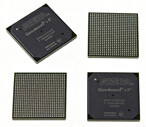
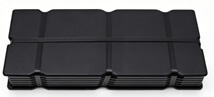
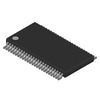
Image may be representation.
See specifications for product details.
EXPRESS OPTION
Payment method

XCF128XF - AMD Xilinx

Manufacturer Part Number
XCF128XF
Manufacturer
AMD Xilinx
Allelco Part Number
32D-XCF128XF
Warranty
1 Year Allelco Warranty - Find out more
Stock Status:
14,340 pcs available, New & Original
Parts Description
DAC91001
Data sheet
-
Category
Integrated Circuits (ICs) > Specialized ICs
RoHs Status
Our certification
In stock: 14340

Required fields are indicated by an asterisk (*)
Please send RFQ, we will respond immediately.

Quantity

Specifications

XCF128XF Tech Specifications
AMD Xilinx - XCF128XF technical specifications, attributes, parameters and parts with similar specifications to AMD Xilinx - XCF128XF

Product Attribute Attribute Value
Part Number XCF128XF
Package DAC91001
Description DAC91001
Stock Condition Get 14340 pcs available quantity at Allelco
Payment PayPal / TT / Credit Card / Western Union
Allelco Certifications ESD / ISO 9001 / ISO 13485 / ISO 28000
Product Attribute Attribute Value
Manufacturer AMD Xilinx
RoHs Status -
Warranty 100% Perfect Functions
Transport port Hong Kong
Shipping by DHL / FedEx / UPS / TNT / SF Express
RFQ Email info@allelco.com

Frequently Asked Questions(FAQ)

How does the XCF128XF configuration memory behave when subjected to repeated power cycles, and what are the implications for system reliability in embedded applications?
The XCF128XF is an I²C-based serial EEPROM used primarily to store FPGA configuration data. Each byte written to its memory array has a limited endurance of approximately 100,000 write cycles under typical operating conditions. While this exceeds most application requirements, systems that reconfigure the FPGA frequently—such as those using dynamic partial reconfiguration or field-upgradeable firmware—may approach this limit over time. Engineers should account for this by minimizing unnecessary writes and ensuring proper power sequencing to prevent corruption during volatile transitions.
What voltage levels must be maintained on the VCC and VCCIO pins of the XCF128XF to ensure reliable communication with a host microcontroller during FPGA configuration?
The XCF128XF supports a supply voltage range of 2.7V to 3.6V on the VCC pin. For proper operation, the device must remain within this window throughout power-up and configuration. If interfaced with a 5V microcontroller via level shifting, care must be taken to ensure the SDA and SCL lines do not exceed the maximum input voltage tolerance, which is typically VCC + 0.5V. Maintaining stable decoupling capacitors near the VCC pin helps mitigate transient noise that could disrupt I²C signaling integrity.
In comparison to parallel flash-based configuration solutions, how does the XCF128XF impact boot time and pin count in a Spartan-6 FPGA system?
Unlike parallel flash devices such as the SST25VF064C, which directly interface with multiple FPGA configuration pins (e.g., D0–D7, DIN, DONE), the XCF128XF uses a serial I²C interface requiring only two control signals. This reduces PCB pin usage significantly but introduces a longer configuration latency due to the slower clock speeds supported by I²C (typically up to 400 kHz). For the Xilinx Spartan-6 family, this results in a boot time increase of roughly 15–25% compared to parallel configurations, depending on the bitstream size.
Can the XCF128XF be used in radiation-hardened or industrial-grade environments where temperature extremes exceed 85°C?
The XCF128XF is not rated for extended industrial temperature ranges beyond standard commercial grades (0°C to 70°C). Operating above 70°C may lead to increased leakage current and reduced data retention. For applications requiring -40°C to +125°C operation, alternative components such as the XCF32PXFG or radiation-tolerant serial PROMs from other manufacturers should be evaluated. Always verify absolute maximum ratings and derate power dissipation accordingly.
What precautions must be taken when programming the XCF128XF to avoid accidental overwrite of critical configuration data?
To prevent unintended modifications, engineers should implement software-level protection mechanisms such as write-protect pins (if available) or use reserved memory sectors for configuration storage. The XCF128XF supports sector protection via the WPEN and WP# bits in the status register. Setting these appropriately ensures that critical configuration data remains locked after initial programming. Additionally, implementing checksum verification during read-back routines can detect corruption and trigger recovery protocols.
How does the XCF128XF handle power-on reset conditions, and what role does it play in ensuring clean FPGA initialization?
Upon power-up, the XCF128XF enters a high-impedance state until valid VCC is detected and stabilized. It then releases the configuration enable signal (nCONFIG) after a delay determined by internal circuitry. This ensures the FPGA begins configuration only when the PROM is ready. However, marginal power ramp rates or insufficient bypassing may cause premature assertion of nCONFIG, leading to incomplete configuration. Designers should monitor nCONFIG timing relative to VCC rise and consider adding a small RC network if necessary.
In comparison to SPI-based configuration memories like the AT25SF041, what are the key trade-offs when selecting the XCF128XF for a low-pin-count design?
The XCF128XF uses I²C, which requires only two bidirectional lines (SDA, SCL), whereas SPI-based alternatives like the AT25SF041 need at least four pins (CS#, SO, SI, SCK). However, SPI offers higher data throughput (up to tens of MHz), enabling faster configuration times. The XCF128XF’s I²C interface limits transfer rates to ~400 kHz, making it less suitable for large bitstreams. For designs prioritizing minimal interconnect complexity and cost over speed, the XCF128XF remains viable, especially in space-constrained BGA layouts.
What is the expected data retention period for the XCF128XF at elevated temperatures, and how should this influence long-term storage policies?
According to JEDEC standards, the XCF128XF guarantees data retention for 10 years at 25°C. However, this degrades exponentially with temperature; at 85°C, retention drops to approximately 1 year, and at 105°C, it may fall below 100 days. For systems stored in hot environments or requiring archival firmware preservation, periodic refresh cycles or migration to higher-reliability parts like the XCF32PXFG should be considered. Implementing environmental monitoring in deployed systems can help trigger proactive updates.
Can the XCF128XF be used in multi-FPGA systems where multiple devices share the same I²C bus?
Yes, but only if each device has a unique I²C address. The XCF128XF typically operates at a default address (e.g., 0x50), which must be modified via hardware strapping (A0, A1, A2 pins) to avoid conflicts. With three address pins, up to eight unique addresses are possible, supporting up to eight devices on one bus. Careful layout and pull-up resistor selection are essential to maintain signal integrity across multiple loads, particularly in noisy industrial settings.
What happens if the SDA or SCL line experiences contention during active configuration of the Spartan-6 FPGA via the XCF128XF?
Contention on the I²C bus—such as simultaneous driving by two masters—can corrupt the configuration stream, resulting in a failed or corrupted FPGA load. The XCF128XF itself lacks built-in arbitration logic, so the system microcontroller must manage bus access strictly. Implementing strict mutual exclusion in firmware and ensuring no other I²C peripherals operate concurrently during configuration minimizes risk. Adding series resistors (e.g., 22Ω) on SDA/SCL lines can dampen ringing and reduce collision likelihood.
How does the package type (BGA) of the XCF128XF affect thermal performance and routing complexity in high-density PCBs?
The BGA packaging of the XCF128XF eliminates leads but increases routing difficulty due to hidden solder joints and fine-pitch ball grid arrays. Thermal resistance is moderate, but adequate ground plane connection under the package aids heat dissipation. Routing escape traces requires careful layer stacking and via-in-pad considerations. Compared to QFN or TSSOP variants, BGA demands more advanced PCB fabrication capabilities and inspection methods, potentially increasing cost and yield risk in volume production.
Is it feasible to reprogram the XCF128XF in-circuit without removing it from the board, and what tools are required?
Yes, the XCF128XF supports in-system programming (ISP) via I²C. A dedicated programmer or a host microcontroller with sufficient drive strength can rewrite the memory. Tools such as Xilinx Platform Cable USB or third-party JTAG-to-I²C bridges capable of emulating I²C master behavior are needed. However, during reprogramming, the FPGA must either be held in reset or configured in a way that prevents conflicting access to the configuration bus. Firmware must also handle erase/write sequences correctly, including proper command cycles and delays.
What are the implications of using the XCF128XF in a battery-powered system with frequent sleep/wake cycles?
Frequent power cycling stresses the EEPROM’s write endurance and increases the risk of configuration loss if power falls below minimum thresholds during erase/write operations. Additionally, leakage current through the XCF128XF can contribute to standby power draw, though it remains low (~1µA in standby). To extend battery life, disable the device via software shutdown or use lower-power modes when not actively configuring. Consider using non-volatile FRAM alternatives if rapid, repeated writes are unavoidable.
How does the XCF128XF interact with the Xilinx Slave Serial Mode configuration protocol, and what initialization sequence is required?
The XCF128XF does not support direct Slave Serial Mode; instead, it interfaces indirectly through the Xilinx MultiBoot or external configuration controller logic. Typically, a microcontroller reads the bitstream from the XCF128XF over I²C and streams it serially to the FPGA’s DIN pin. Therefore, the initialization sequence involves first loading the full configuration image into the XCF128XF, then triggering a soft reset or power cycle to begin streaming. Timing between these steps must respect setup/hold constraints defined in Spartan-6 data sheets.
In comparison to using onboard flash memory for FPGA configuration, what advantages does the XCF128XF offer in terms of security and tamper resistance?
Onboard flash exposes configuration data directly to the processor, making it vulnerable to extraction via JTAG or memory dumps. The XCF128XF, while still readable over I²C, is often placed in a physically isolated region of the PCB and accessed only during boot. Combined with firmware authentication and encrypted bitstreams, this adds a layer of obscurity. However, it does not provide hardware encryption like modern UltraScale+ devices with built-in AES engines. Thus, security benefits are situational and depend on threat model assumptions.
What diagnostic features does the XCF128XF provide for troubleshooting failed FPGA configurations?
The XCF128XF includes a status register accessible via I²C, which reports write protection status, busy flags, and error indicators such as write collisions. By polling this register during boot, a microcontroller can determine whether the last write completed successfully. Additionally, implementing a redundant backup image in a separate memory bank allows fallback recovery. Logging I²C transaction errors (e.g., NACK responses) can pinpoint communication issues before the FPGA even starts loading.
How does the XCF128XF perform under electromagnetic interference (EMI) conditions commonly found in automotive or industrial environments?
As a serial EEPROM with digital signaling, the XCF128XF is susceptible to EMI-induced glitches on SDA/SCL lines, potentially corrupting data transfers. Proper PCB practices—including short trace lengths, impedance-controlled routing, and ferrite beads on power lines—are essential. Shielded cabling and common-mode chokes can further reduce susceptibility. In harsh environments, adding Schottky diodes or clamping circuits to protect against voltage spikes improves robustness. Redundant reads and ECC-like checksum validation add another layer of fault tolerance.
Can the XCF128XF be safely used in aerospace applications where single-event upsets (SEUs) are a concern?
No, the XCF128XF is not radiation-hardened and is highly vulnerable to SEUs, which can flip bits in its memory array during flight. In aerospace systems, configuration memory must be hardened against particle strikes, typically using SRAM-based FPGAs with built-in scrubbing logic or radiation-tolerant PROMs like the XCF32PXFG. The XCF128XF lacks error detection/correction mechanisms and is therefore inappropriate for mission-critical avionics without extensive mitigation strategies beyond its datasheet specifications.

Customer Reviews

Evaluation: 10 Articles

  • Dani***alkerTech
    Jun 1, 2026

    Product works, but setup took more effort than expected. Once configured the MCU ran reliably, although documentation support felt older compared with newer platforms. Fine for maintenance projects.

  • Yuki***aka88
    May 26, 2026

    信号通信プロジェクトでこのRS-485トランシーバーを使用しました。設置は簡単で、長距離ケーブルでも通信は安定していました。消費電力も、以前使用していたものより低くなっています。

  • Stev***aker
    May 20, 2026

    Solid diode for power rectification. Works well in switching circuits.

  • Bran***Lewis
    May 11, 2026

    Compact FPGA with good performance. Suitable for basic signal processing tasks.

  • Oliv***arris
    May 7, 2026

    Reliable I/O expander. Works well in embedded control applications.

  • Jess***Jones
    Apr 17, 2026

    It offers good value for the price, and the specifications match the description. I’ve been using it for two days with no issues, and I’ll definitely buy it again if I need it in the future.

  • Mich***Smith
    Apr 17, 2026

    Shipping was on time, the component pins are neatly aligned, and I tested 10 of them with a multimeter—all readings were within the specified range. Highly recommended.

  • Aman***arris
    Apr 3, 2026

    It was great—the entire process, from placing the order to receiving the package, went very smoothly. The components were consistent, the price was fair, and I had a very pleasant shopping experience.

  • Mike***nch
    Apr 3, 2026

    Better than expected! The resistance and capacitance readings were spot-on, and it passed the test on the first try. The service was reliable, and the packaging was thoughtful—I highly recommend it.

  • Daic***K.
    Mar 23, 2026

    Very good. No issue after long time testing.

Write a Review

Your Email address will not be published.

Shipment

Delivery Time

In-stock items can be shipped within 24 hours. Some parts will be arranged for delivery within 1-2 days from the date all items arrive at our warehouse. And Allelco ships order once a day at about 17:00, except Sunday. Once the goods are shipped, the estimated delivery time depends on the shipping methods and Delivery destination. The table below shows are the logistic time for some common countries.

Delivery Cost

  1. Use your express account for shipment if you have one.
  2. Use our account for the shipment. Refer to the table below for the approximate charges.
(Different time frame / countries / package size has different price.)

Delivery Method

  1. Global Common Shipment by DHL / UPS / FedEx / TNT / EMS / SF we support.
  2. Others more shipping ways, please get in touch with your customer manager.

Common Countries Logistic Time Reference
Region Country Logistic Time(Day)
America United States 5
Brazil 7
Europe Germany 5
United Kingdom 4
Italy 5
Oceania Australia 6
New Zealand 5
Asia India 4
Japan 4
Middle East Israel 6
DHL & FedEx Shipment Charges Reference
Shipment charges(KG) Reference DHL(USD$)
0.00kg-1.00kg USD$30.00 - USD$60.00
1.00kg-2.00kg USD$40.00 - USD$80.00
2.00kg-3.00kg USD$50.00 - USD$100.00
Note:
The above table is for reference only. There may have some data bias for the uncontrollable factors.
Contact us if you have any questions.
  • QC (Quality Warranty)
  • Payment Support
  • Packaging
  • Certifications & Memberships

QC (Quality Warranty)

Allelco is committed to exceeding customer expectations through customer service excellence, order accuracy, and on-time delivery.
This is achieved through our commitment to the continual improvement of our processes, services, and products.


Strict quality inspection builds a solid foundation for electronic component quality.
  1. Visual inspection
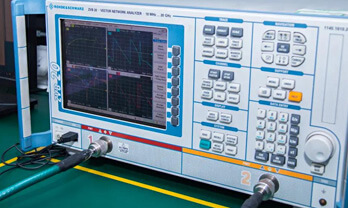
  2. Performance testing and reliability verification
  3. Standardized full-process testing
  4. Precise control of every parameter
We eliminate defective components and ensure the stable operation of electronic devices through professional quality standards.

Payment Support

The payment method can be chosen from the methods shown below: Wire Transfer (T/T, Bank Transfer), Western Union, Credit card, PayPal.
  • HKBea
  • Paypal
  • MasterCard
  • Western-Union
  • VISA
Stable Delivery, Sincere Partnership — Your Faithful Supply Chain Partner
  • Efficient Supply Management
  • Cost-Saving Procurement
  • Fast Sourcing & Delivery
Contact us if you have any questions.

Packaging

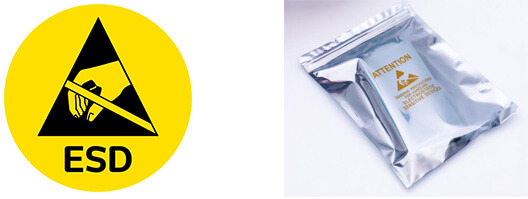
Electrostatic Discharge Protection and Handling

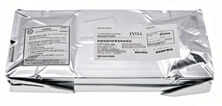
All electrostatic-sensitive components are handled in accordance with electrostatic discharge control procedures. The products are hermetically sealed in anti-static safe packaging to prevent electrostatic damage. Appropriate labeling is also applied for identification and traceability. This ensures product integrity during storage, handling and transportation.


ESD

Certifications & Memberships

Third-party certified, strict quality control. Our certification
  • ISO 9001: 2015
  • ISO 13485: 2016
  • ISO 14001: 2015
  • ISO 28000: 2007
  • ISO 45001: 2018
  • GB/T 27922-2011
  • SMTA
  • IPC
  • ESD
  • PSMA
AMD Xilinx

XCF128XF

AMD Xilinx
32D-XCF128XF

Want a better price? Add to Cart and Submit RFQ now, we'll contact you immediately.

0 RFQ
Shopping cart (0 Items)
It is empty.
Compare List (0 Items)
It is empty.
Feedback

Your feedback matters! At Allelco, we value the user experience and strive to improve it constantly.
Please share your comments with us via our feedback form, and we'll respond promptly.
Thank you for choosing Allelco.

Subject
E-mail
Comments
Captcha
Drag or click to upload file
Upload File
types: .xls, .xlsx, .doc, .docx, .jpg, .png and .pdf.
Max file size: 10MB